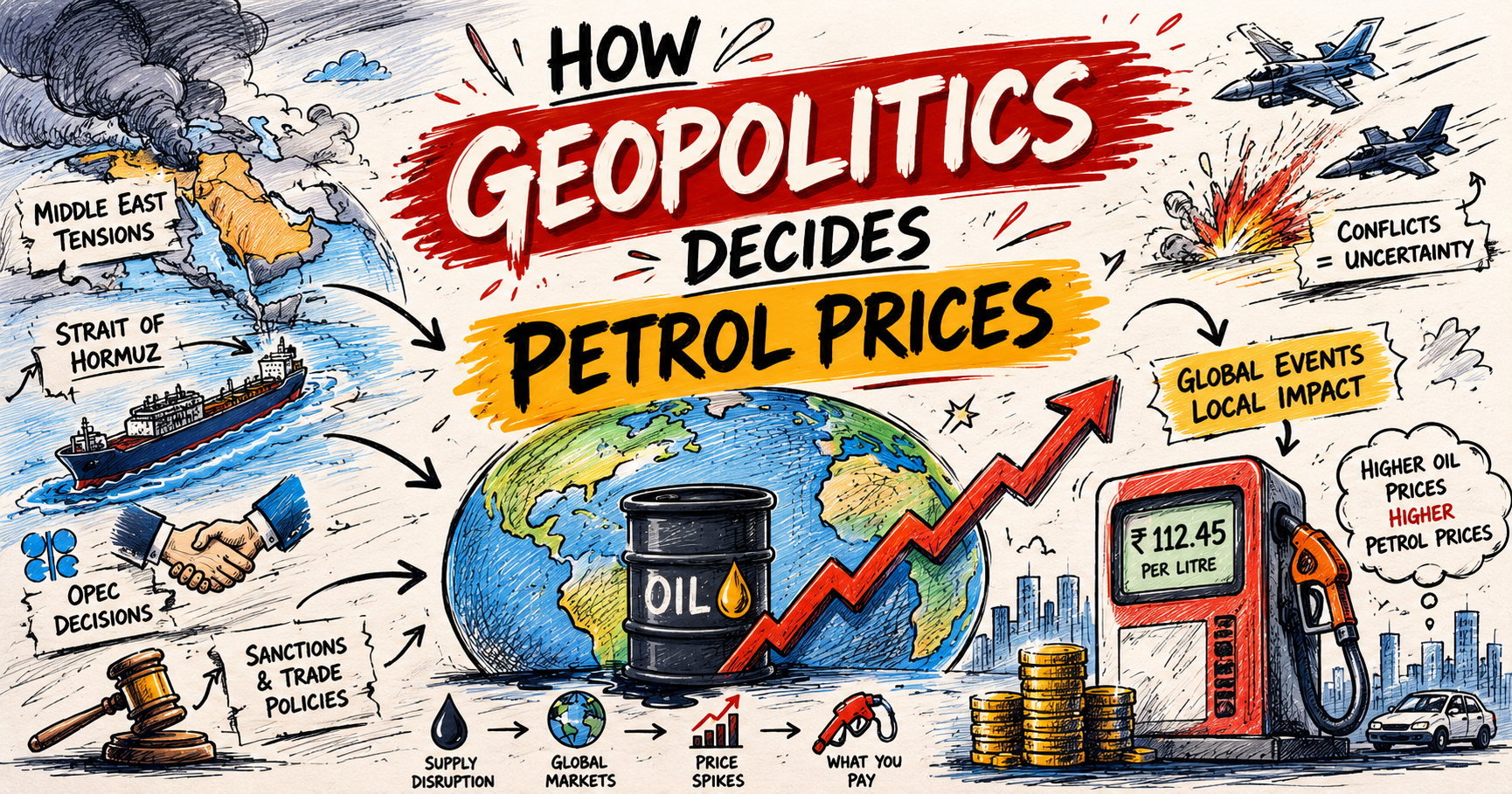

Most people assume petrol prices rise or fall because of supply and demand.
While that is partly true, there is a bigger force working behind the scenes: geopolitics.
A conflict in the Middle East, sanctions on a major oil producer, or a disagreement between global powers can affect what drivers pay at the fuel station thousands of miles away.
In today's interconnected economy, petrol prices are often influenced as much by politics as by economics.
Oil is the world's water??
Petrol is made from crude oil, one of the world's most traded commodities.
According to the International Energy Agency (IEA), global oil demand exceeded 103 million barrels per day in 2025.
Because oil powers transportation, manufacturing, aviation, and shipping, even small disruptions can have major economic consequences.
When oil becomes more expensive, petrol prices usually follow.
The Middle East's Influence on Oil Prices
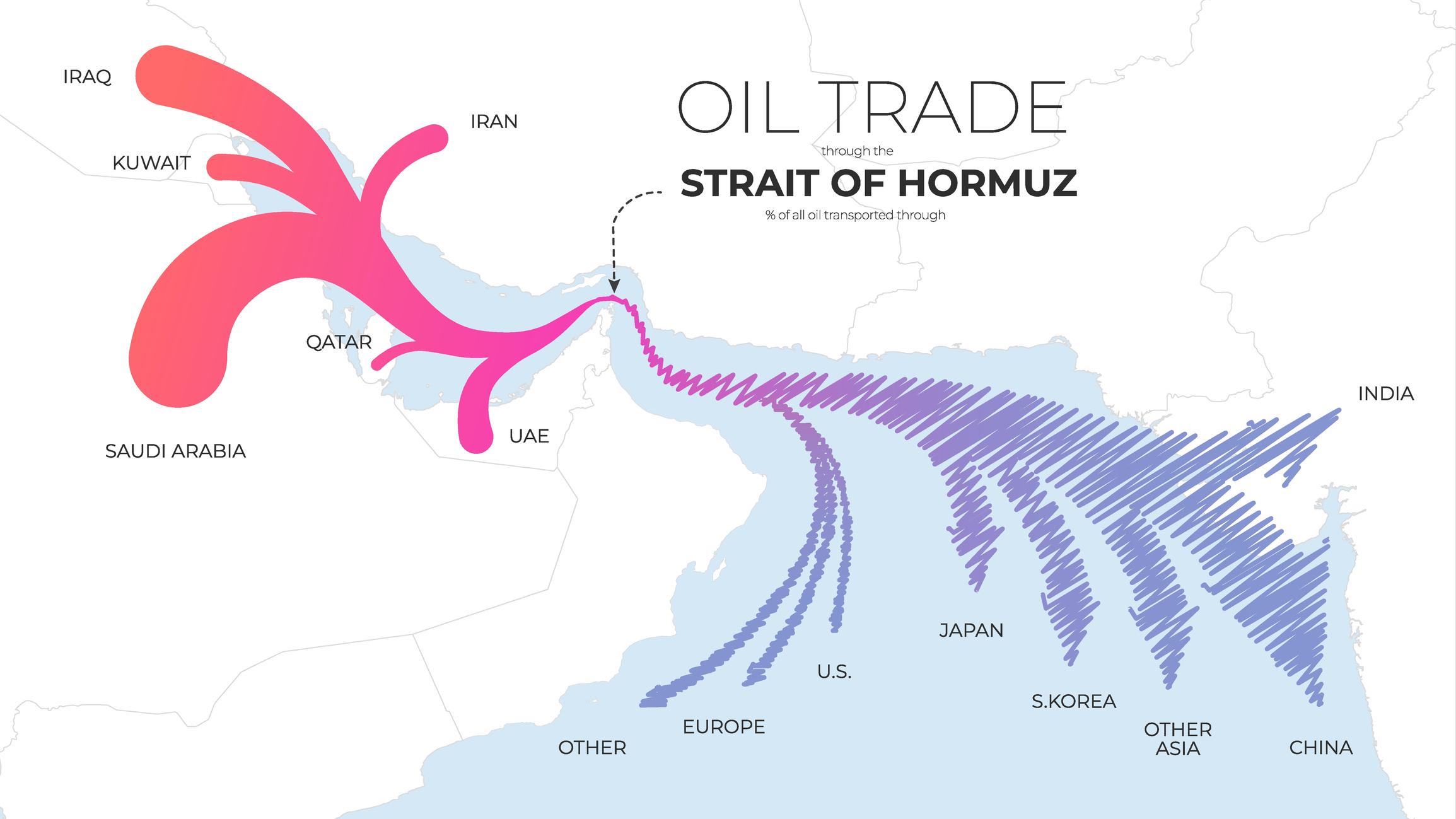
The Middle East holds nearly 48% of the world's proven oil reserves, making it the most important oil-producing region on Earth.
Countries such as:
- Saudi Arabia
- Iraq
- Iran
- United Arab Emirates
- Kuwait
play a major role in global energy markets.
This means that whenever tensions rise in the region, oil traders become nervous.
For example, during periods of heightened Iran-Israel tensions, oil prices have often jumped because investors fear disruptions to supply.
Even if production is not immediately affected, markets react to the possibility of future shortages.
The Strait of Hormuz: The World's Energy Chokepoint
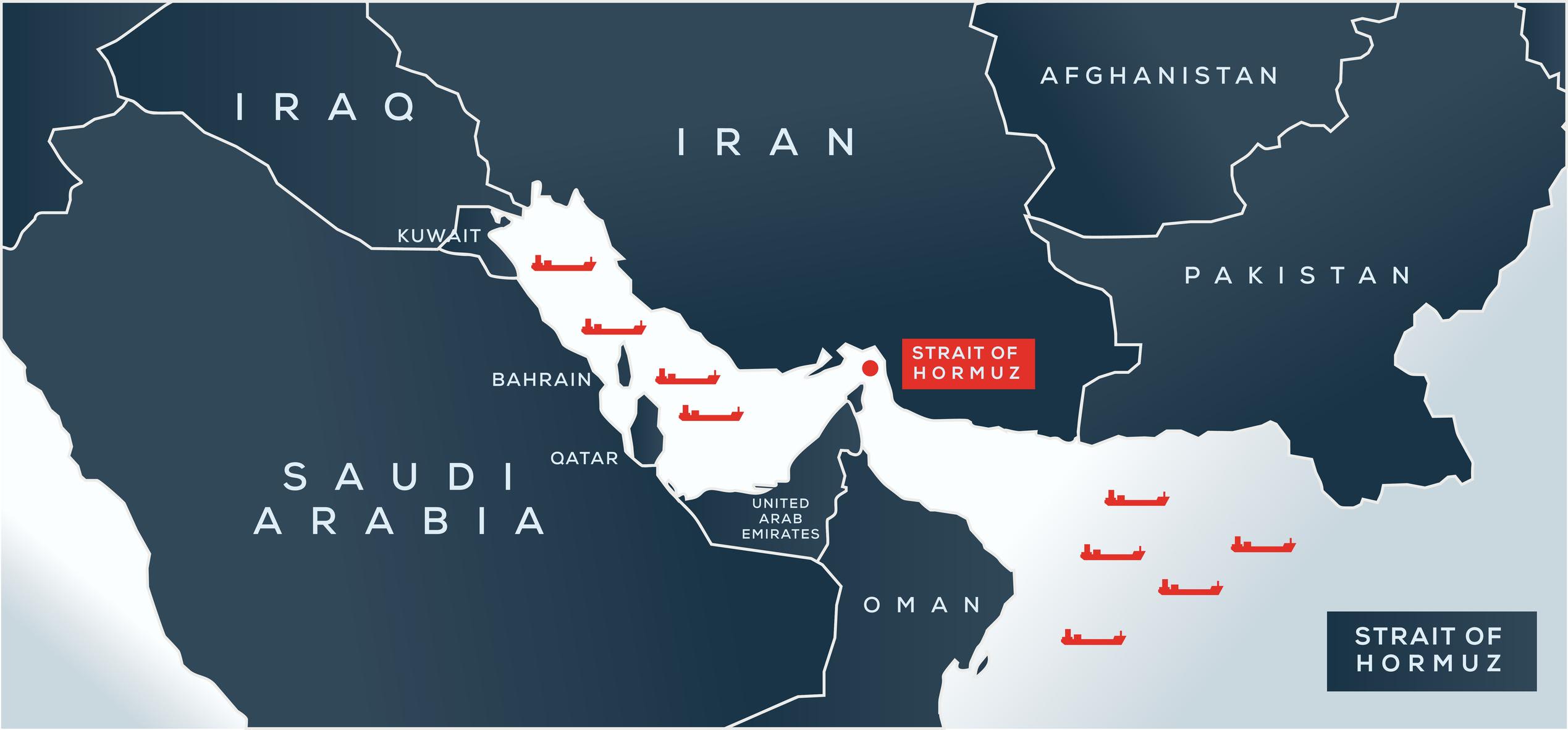
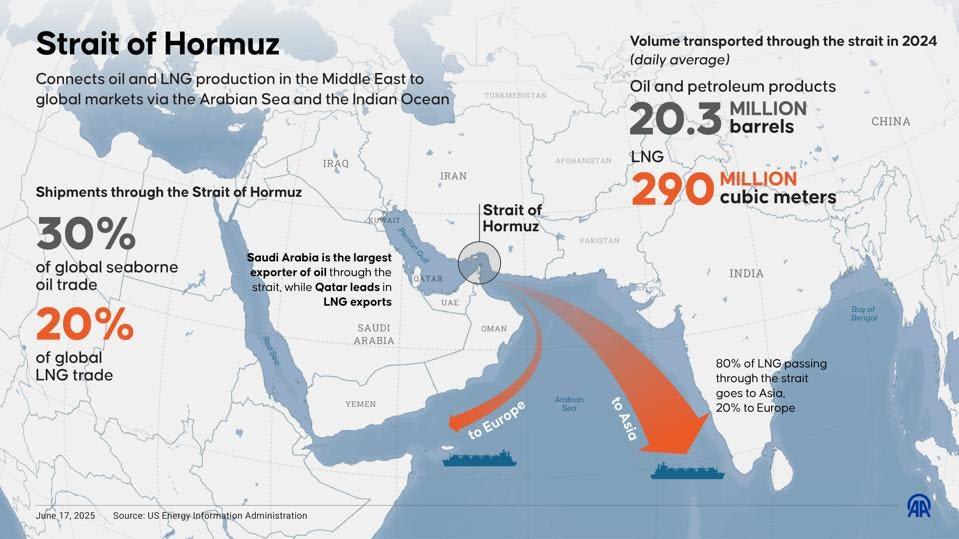
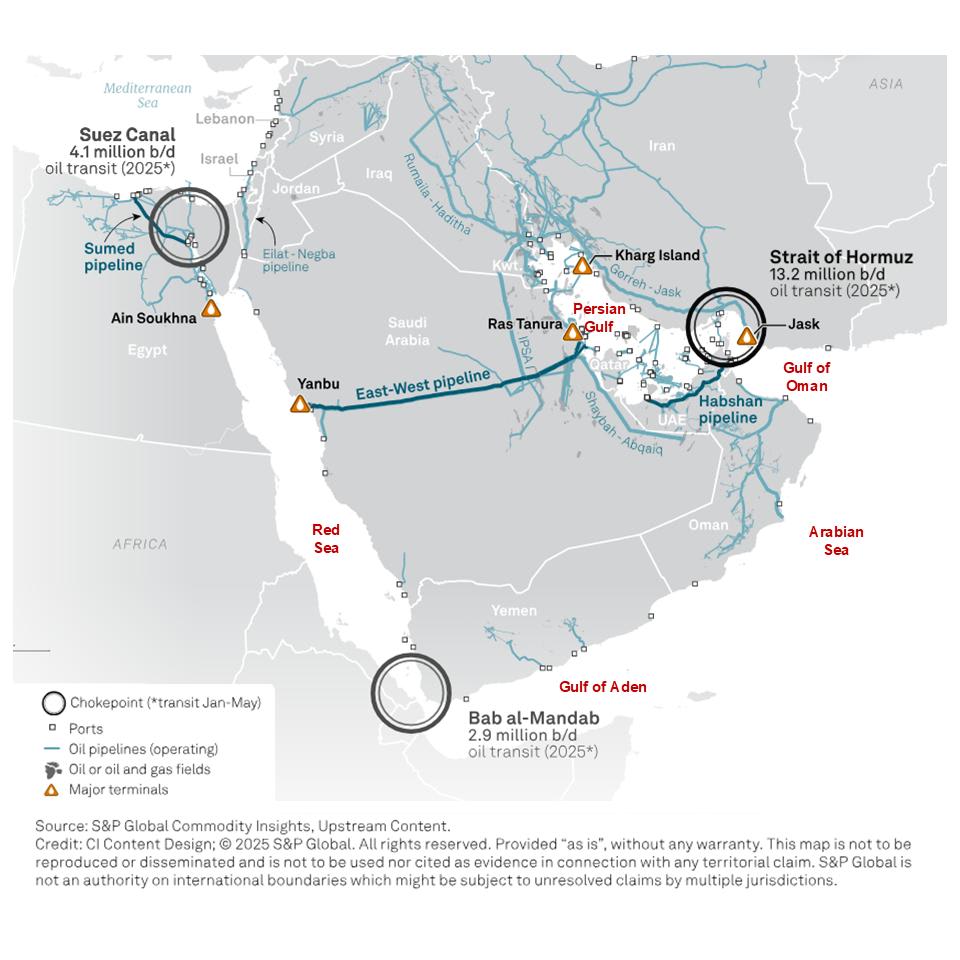
One of the most important locations in global energy trade is the Strait of Hormuz.
Located between Iran and Oman, this narrow waterway handles roughly 20% of global petroleum consumption.
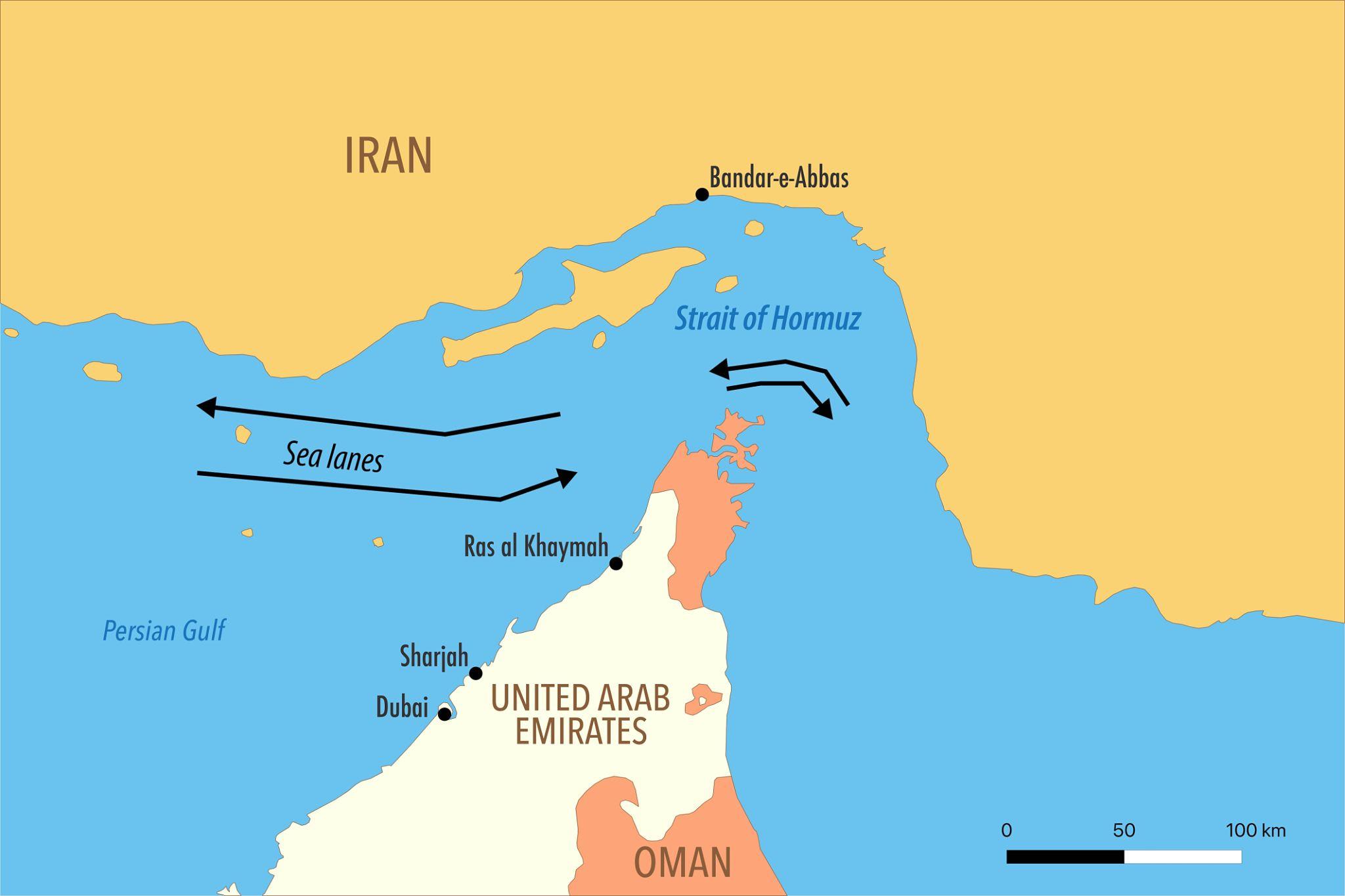
Every day, millions of barrels of oil pass through this route.
If conflict threatens shipping in the strait, oil prices can rise almost instantly.
This is why geopolitical tensions in the Gulf region are closely monitored by governments, investors, and energy companies around the world.
OPEC Has the Power to Move Prices
Another geopolitical factor is OPEC, the Organization of the Petroleum Exporting Countries.
OPEC and its partners, collectively known as OPEC+, produce approximately 40% of global crude oil output.
When OPEC decides to cut production, global supply falls.
Less supply often means higher oil prices.
When production increases, prices may fall.
Recent OPEC+ production decisions have repeatedly influenced global fuel prices, demonstrating how political agreements between oil-producing nations affect consumers worldwide.
Sanctions Can Change the Market Overnight
Governments frequently use sanctions as a foreign policy tool.
When sanctions target major oil producers, global supply can tighten.
Examples include:
- Iran
- Russia
- Venezuela
After Russia's invasion of Ukraine in 2022, Western sanctions disrupted parts of the global energy market.
Brent crude briefly surged above $120 per barrel, contributing to rising fuel prices across many countries.
This showed how geopolitical events can quickly influence what people pay at the pump.
Wars Create Uncertainty
Oil markets dislike uncertainty.
When wars or military conflicts occur near important oil-producing regions, traders often anticipate supply disruptions.
Even rumors of conflict can affect prices.
Recent tensions involving:
- Iran and Israel
- Russia and Ukraine
- the Red Sea shipping corridor
have all influenced energy markets.
In many cases, prices rise not because oil production stops immediately, but because markets fear future disruptions.
China and India Also Matter
Geopolitics is not only about conflicts.
Economic growth in major countries affects oil demand.
China is the world's largest crude oil importer, while India is among the fastest-growing energy consumers.
As these economies expand, demand for fuel increases.
This can put upward pressure on oil prices, especially when supply growth struggles to keep pace.
Because China and India account for a significant share of global energy demand, their economic performance influences fuel markets worldwide.
Why Petrol Prices Differ Between Countries
Even when global oil prices are identical, petrol prices can vary significantly between countries.
This happens because governments apply:
- taxes
- subsidies
- import duties
- environmental levies
For example, many European countries have higher fuel taxes than the United States.
India also includes various central and state taxes in retail fuel prices.
As a result, geopolitics affects crude oil prices globally, while domestic policies influence what consumers ultimately pay.
The Shift Toward Renewable Energy
Another geopolitical trend affecting oil markets is the transition to renewable energy.
Governments are investing heavily in:
- electric vehicles
- solar power
- wind energy
- battery technology
While oil remains critical today, long-term shifts toward cleaner energy could reduce dependence on crude oil and reshape global energy politics.
However, experts expect oil to remain an essential part of the global economy for decades.
Why Geopolitics and Petrol Prices Are Closely Connected
Petrol prices are not determined solely by economics.
They are shaped by:
- wars
- sanctions
- trade routes
- diplomatic relations
- OPEC decisions
- energy security concerns
A political event in one part of the world can quickly affect fuel costs in another.
That is why governments pay close attention to geopolitical developments in oil-producing regions.
Final Thoughts
Every time petrol prices rise sharply, there is often a geopolitical story behind it.
Whether it is conflict in the Middle East, sanctions on a major producer, OPEC production cuts, or tensions along key shipping routes, politics plays a central role in the global energy market.
Understanding geopolitics helps explain why petrol prices can change so quickly—and why events happening thousands of kilometers away can still affect the cost of a tank of fuel.
For consumers, businesses, and policymakers alike, the link between geopolitics and petrol prices is impossible to ignore.
One reason energy markets closely monitor tensions in the Middle East is that a larger conflict between Iran and Israel could disrupt global oil supplies and push fuel prices higher.