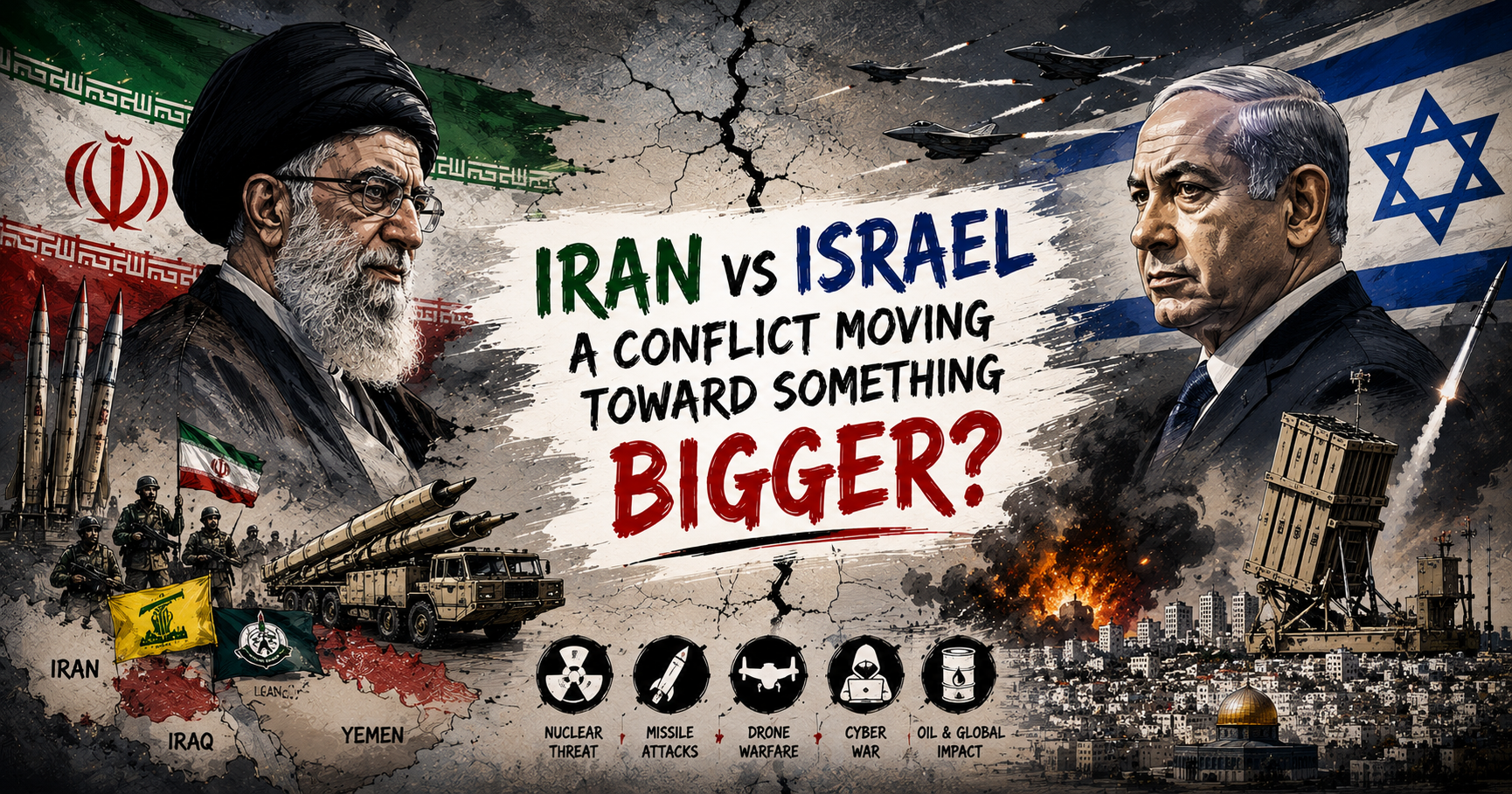

For years, the conflict between Iran and Israel remained mostly indirect.
There were proxy wars, cyberattacks, intelligence operations, assassinations, and political threats — but both sides largely avoided a full-scale direct confrontation.
That situation is changing..
Today, the Iran-Israel rivalry looks far more dangerous than it did even a few years ago. Military strikes have become more open, regional tensions are spreading across the Middle East, and fears of a larger conflict are growing among global leaders.
What once looked like a shadow war is increasingly becoming a direct geopolitical confrontation.
And the consequences could extend far beyond the Middle East.
Why Iran and Israel See Each Other as Major Threats
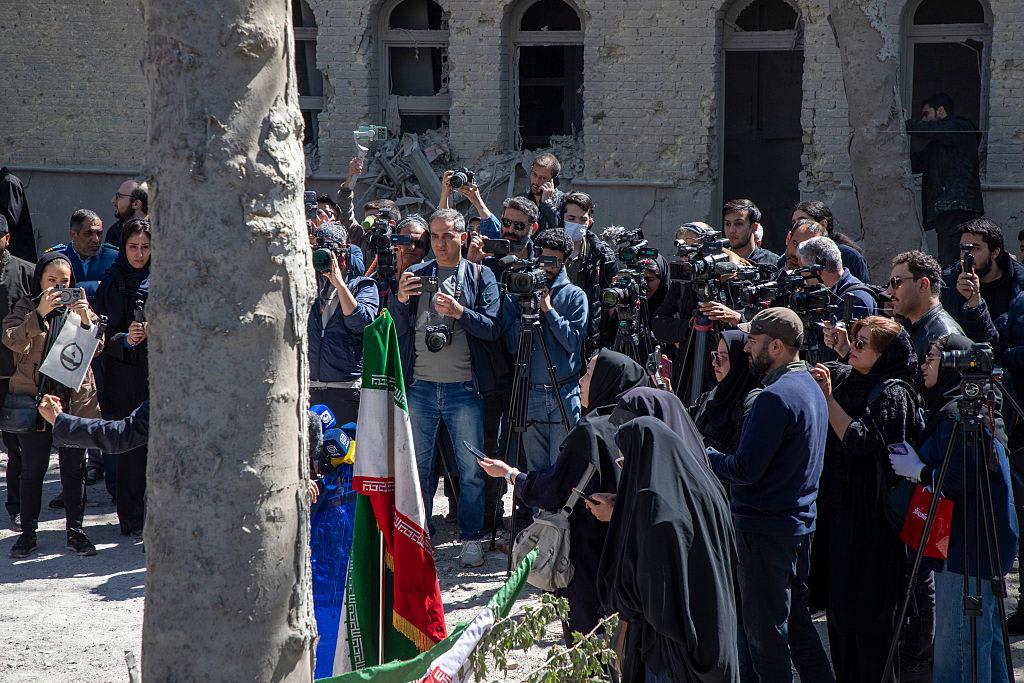
The hostility between Iran and Israel is rooted in ideology, regional influence, and security concerns.
Iran does not officially recognize Israel and has long supported anti-Israel armed groups across the region, including:
- Hezbollah in Lebanon
- Hamas in Gaza
- regional militia networks aligned with Tehran
Israel, meanwhile, views Iran as its most serious long-term security threat.
Israeli leaders have repeatedly argued that Iran’s growing missile capabilities and nuclear ambitions could fundamentally alter the balance of power in the region.
This mutual distrust has intensified steadily over the last two decades.
The Nuclear Issue Remains Central
One of the biggest reasons tensions continue rising is Iran’s nuclear program.
Western governments and Israel have repeatedly accused Iran of enriching uranium beyond civilian energy needs. Tehran insists its nuclear activities are for peaceful purposes.
However, concerns have grown significantly in recent years.
According to international monitoring reports, Iran has accumulated highly enriched uranium levels much closer to weapons-grade capability than before.
Israeli Prime Minister Benjamin Netanyahu has consistently argued that Israel cannot allow Iran to become a nuclear-capable state.
This issue alone keeps the possibility of military escalation alive.
The Conflict Is No Longer Indirect
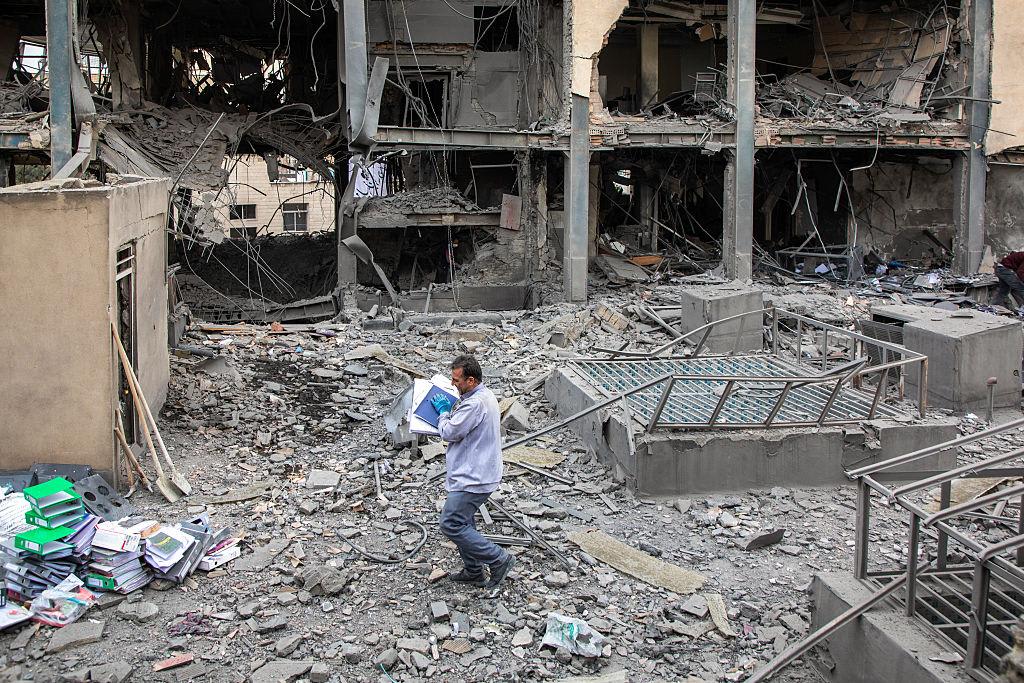
The most alarming change is that both sides have become increasingly willing to strike each other more openly.
In recent months:
- Israel reportedly targeted senior Iranian officials and infrastructure
- Iran launched missile barrages toward Israeli territory
- regional military activity intensified significantly
Reports from March 2026 described Iranian missile attacks on Israel following the deaths of top Iranian security officials during Israeli operations.
According to conflict tracking reports, thousands of injuries and dozens of deaths were reported during the escalation period.
This marks a major shift from covert conflict toward open confrontation.
The Middle East Is Becoming Increasingly Unstable
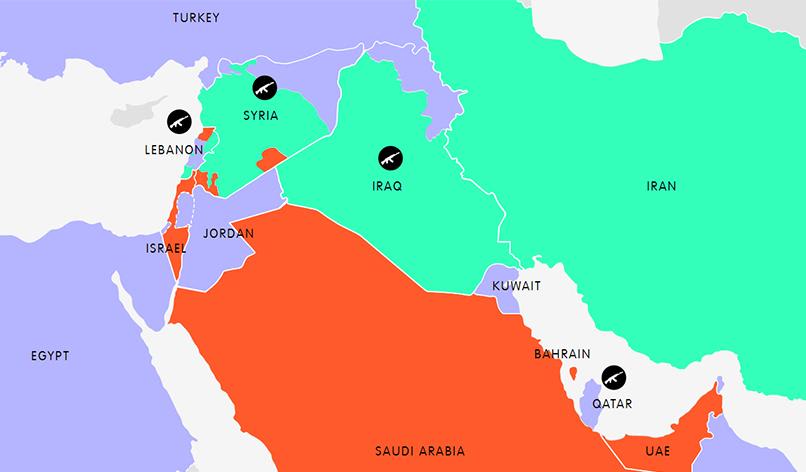
The Iran-Israel conflict is not isolated.
It overlaps with:
- the Gaza crisis
- tensions in Lebanon
- Red Sea security threats
- Gulf regional rivalries
- American military presence in the region
That makes the situation far more dangerous.
If a wider conflict erupts, multiple countries and armed groups could become involved quickly.
This is one reason global powers are trying to prevent escalation.
The fear is not simply another regional conflict — it is the possibility of a broader Middle Eastern war affecting global trade, energy markets, and international security.
Oil Markets Are Closely Watching the Situation
The economic impact could be enormous.
The Middle East remains central to global energy supply, and any disruption in the region immediately affects oil markets.
Iran has previously warned about targeting regional energy infrastructure and strategic oil routes during periods of escalation.
The Strait of Hormuz alone handles a major share of global oil shipments.
When tensions intensified earlier in 2026:
- oil prices surged sharply
- investors feared supply disruptions
- shipping risks increased across the Gulf region
For countries heavily dependent on energy imports — including India — these tensions carry serious economic implications.
The United States Remains Deeply Involved
United States plays a major role in the regional balance.
Washington remains Israel’s closest strategic ally while also trying to prevent the conflict from spiraling into a larger war.
At the same time, the US has imposed sanctions on Iran for years and maintains military presence across the Middle East.
This creates an extremely complicated diplomatic environment.
Recent reports suggest negotiations and ceasefire discussions involving Iran, the US, and regional powers remain fragile and politically contested.
Even when diplomacy advances, mistrust remains extremely high on all sides.
Technology and Modern Warfare Are Changing the Conflict
The Iran-Israel rivalry is also shaped by modern military technology.
The conflict increasingly involves:
- drones
- cyber warfare
- missile defense systems
- satellite intelligence
- AI-assisted military coordination
Israel possesses one of the world’s most advanced missile defense systems, while Iran has expanded its ballistic missile and drone capabilities significantly over the years.
This technological escalation makes the conflict more unpredictable.
Military confrontations can now spread faster and affect wider regions than before.
Why the Risk of Escalation Feels Higher Now
Several factors are converging simultaneously:
- nuclear tensions
- regional instability
- political pressure inside both countries
- proxy conflicts
- energy security fears
- growing mistrust between global powers
That combination creates a highly volatile situation.
Analysts increasingly worry that even a limited strike or miscalculation could trigger a much broader conflict involving multiple countries.
And once escalation begins, controlling it becomes extremely difficult.
The Entire World Has Stakes in This Conflict
The Iran-Israel rivalry is no longer just a regional issue.
It affects:
- global oil prices
- shipping routes
- financial markets
- international diplomacy
- military alliances
- global inflation
That is why governments across Europe, Asia, and the Gulf are watching developments so closely.
A larger Iran-Israel conflict would not remain confined to one border.
It would ripple through the global economy almost immediately.
And in today’s interconnected world, that makes this one of the most dangerous geopolitical tensions anywhere on the planet.
Rising tensions between Iran and Israel are also increasing fears of disruptions in global oil supply and energy markets.