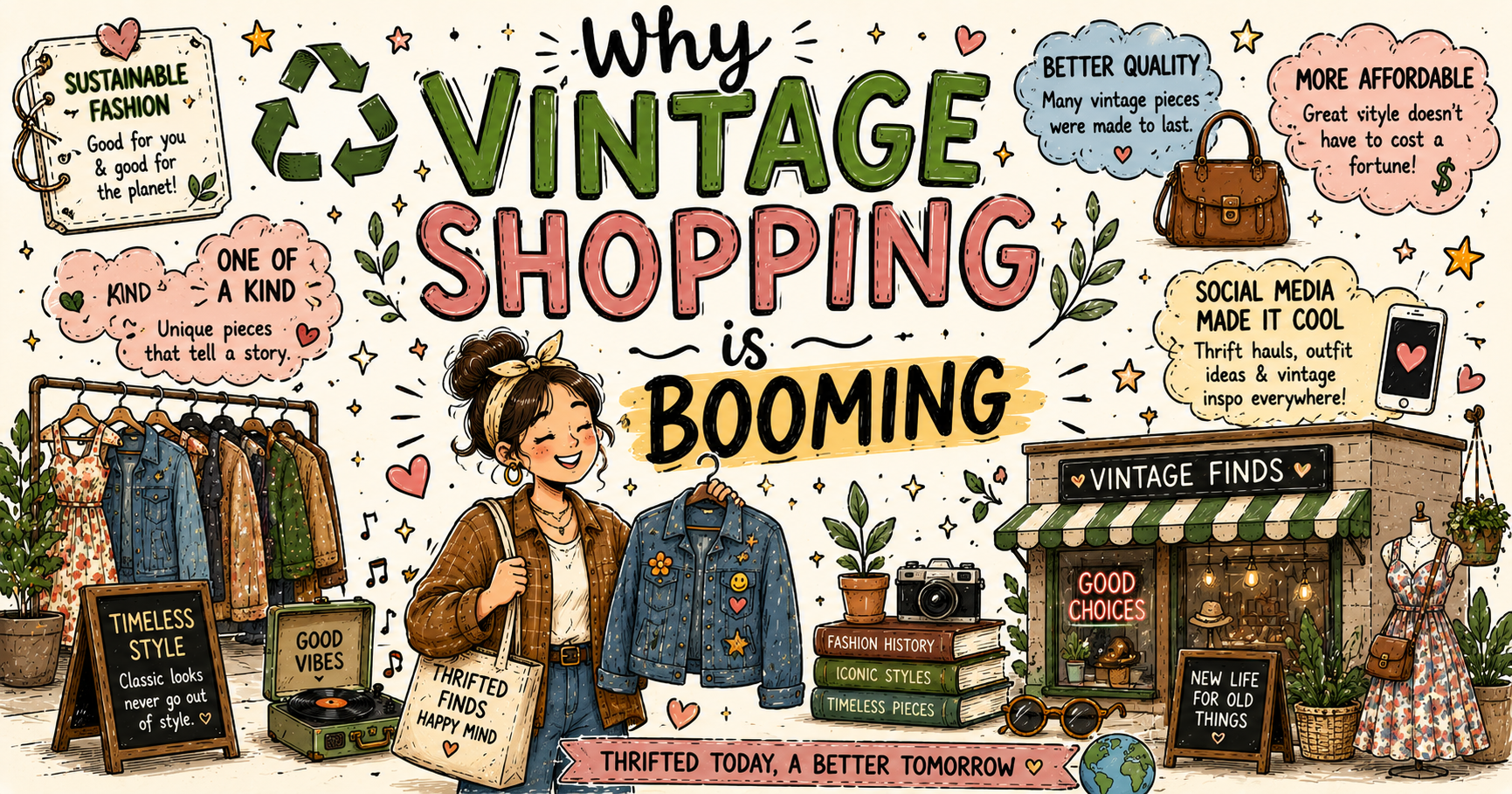

Not long ago, buying secondhand clothing was often seen as a way to save money. Today, it's one of the fastest-growing movements in the fashion industry. From luxury vintage handbags and oversized denim jackets to retro band T-shirts and timeless leather boots, vintage shopping has become a favorite among Gen Z, Millennials, influencers, and celebrities alike.
Social media is filled with thrift hauls, resale finds, and "vintage outfit of the day" videos, while online resale platforms continue to grow rapidly. Consumers are no longer chasing fast fashion alone—they're searching for unique, high-quality pieces that tell a story.
So, why is vintage shopping booming, and why are more people choosing secondhand fashion over brand-new clothing?
Let's explore the reasons behind one of today's biggest fashion trends.
What Is Vintage Shopping?
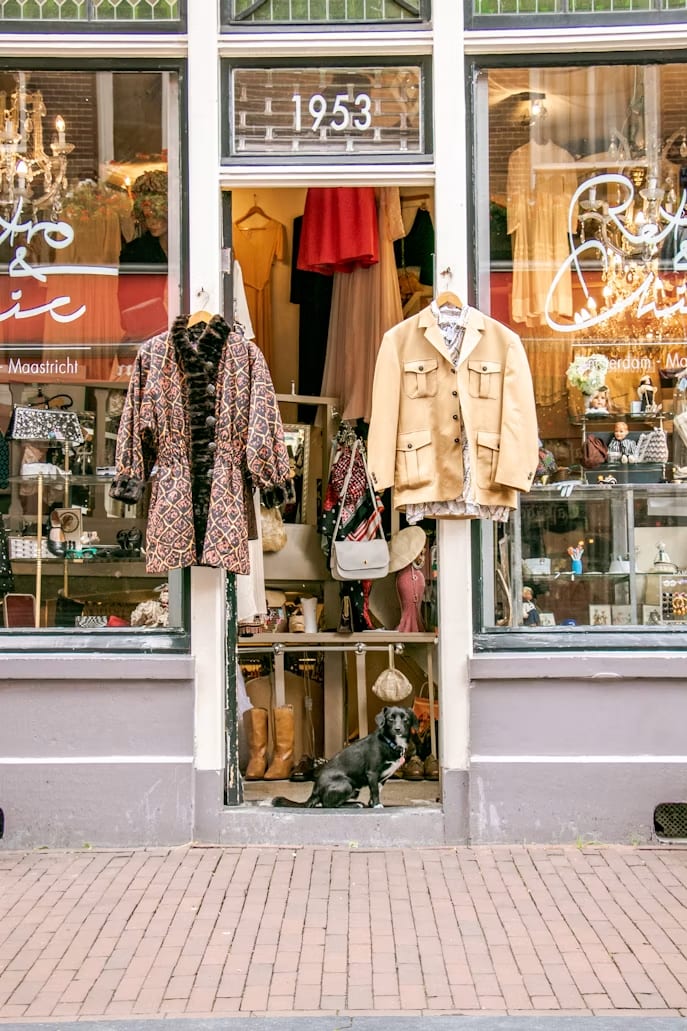
Vintage shopping refers to buying previously owned clothing, accessories, furniture, or collectibles that are typically at least 20 years old. Unlike ordinary secondhand items, vintage products often represent a particular era, design style, or fashion movement.
It's also helpful to understand the difference between similar terms:
- Vintage: Items that are generally 20–100 years old and reflect a specific time period.
- Thrift Shopping: Buying donated or pre-owned goods from thrift stores.
- Resale Shopping: Purchasing pre-owned items through online marketplaces or resale stores.
- Pre-Loved Fashion: A broad term for clothing that has had a previous owner.
While these categories overlap, they all contribute to the growing circular fashion economy, where clothing is reused instead of discarded.
Why Vintage Shopping Is Becoming More Popular
Several lifestyle and economic shifts have turned vintage shopping into a global trend.
1. Sustainable Fashion Is More Important Than Ever
One of the biggest reasons people choose vintage clothing is sustainability.
The fashion industry generates enormous amounts of textile waste every year, and fast fashion encourages consumers to buy inexpensive clothing that often has a short lifespan.
Buying vintage extends the life of existing garments, helping reduce waste and lowering demand for new production.
For environmentally conscious shoppers, purchasing pre-loved fashion is one of the simplest ways to make their wardrobe more sustainable.
2. Rising Clothing Prices Are Changing Shopping Habits
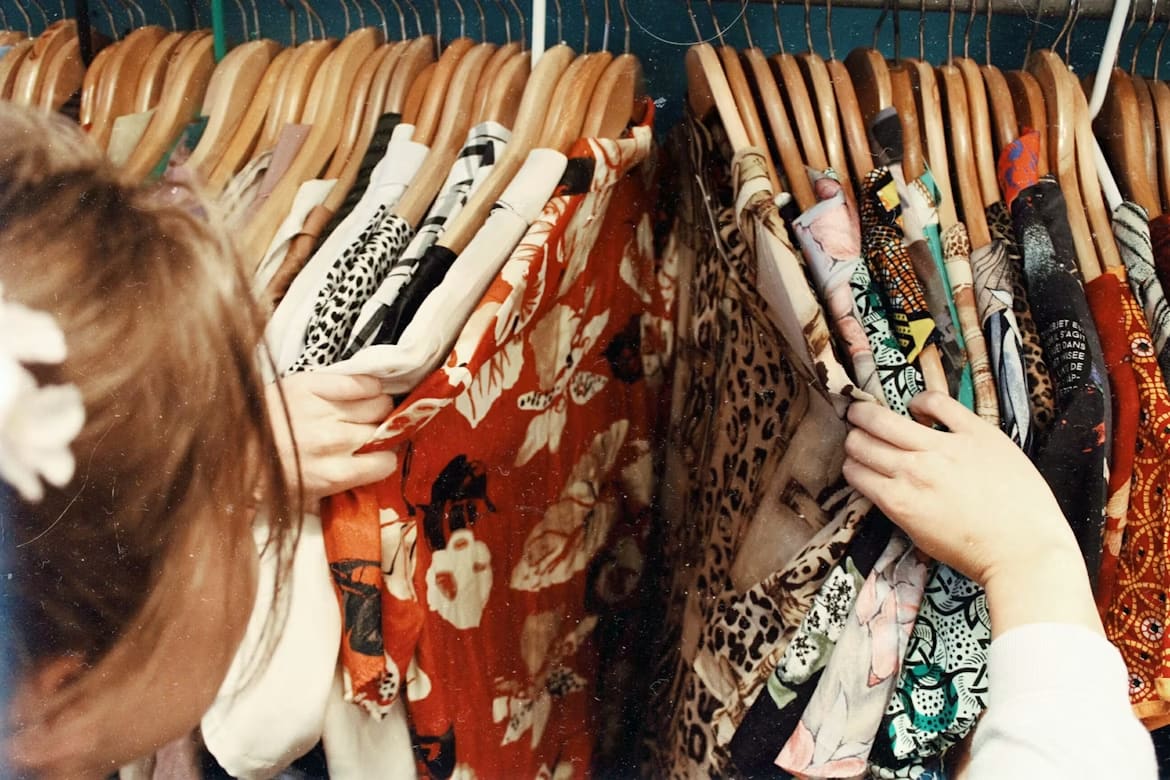
Inflation has affected nearly every aspect of daily life—including fashion.
As new clothing becomes more expensive, many shoppers are discovering they can find better-quality garments at vintage stores for similar or even lower prices.
Vintage shopping also aligns with broader lifestyle movements like loud budgeting and underconsumption core, where people focus on buying intentionally instead of purchasing impulsively.
Rather than spending hundreds on trendy pieces that may only be worn a few times, shoppers are investing in timeless clothing that lasts.
3. Vintage Fashion Offers Truly Unique Style
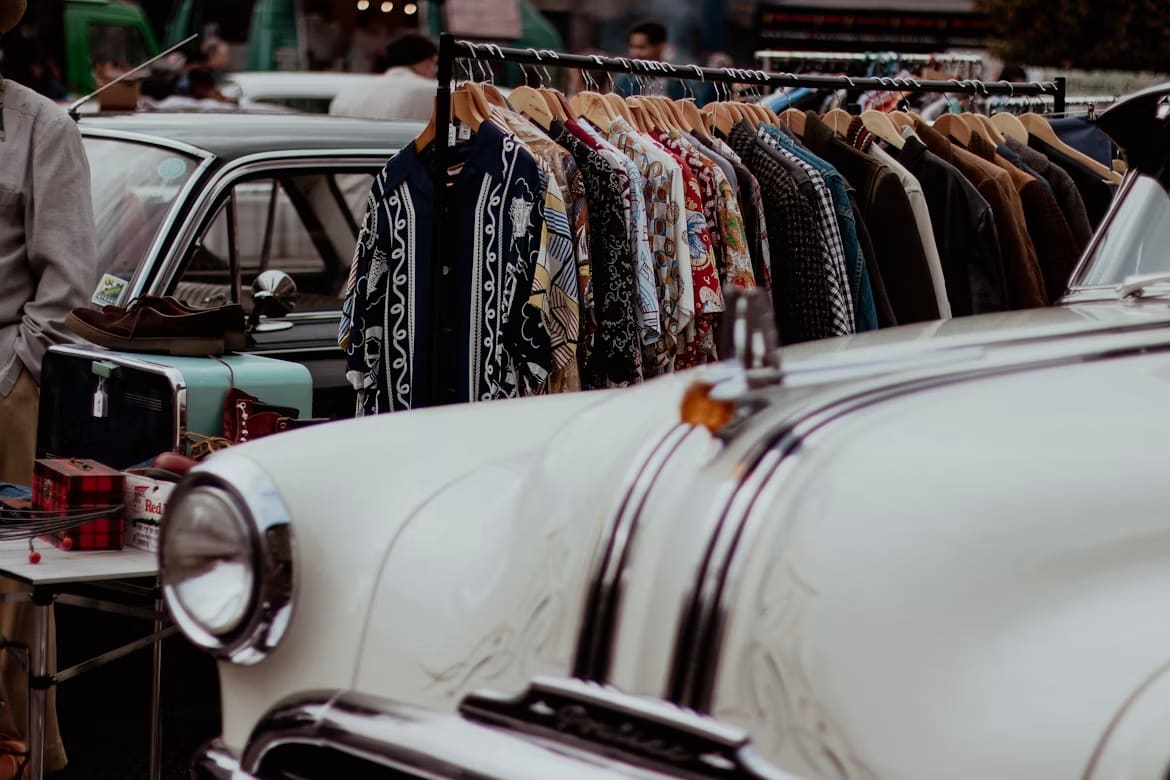
One of the biggest frustrations with fast fashion is seeing everyone wearing the same clothing.
Vintage shopping solves that problem.
Whether it's a 90s denim jacket, a retro leather handbag, or a classic oversized blazer, vintage pieces often can't be found anywhere else.
For people who want to express their personality, vintage fashion provides individuality that mass-produced clothing simply can't match.
4. Social Media Made Thrifting Trendy
Platforms like TikTok, Instagram, and Pinterest have completely transformed the perception of secondhand shopping.
Popular content includes:
- Thrift hauls
- Before-and-after clothing transformations
- Vintage outfit inspiration
- Designer finds at thrift stores
- Styling old clothes in modern ways
Influencers have shown millions of viewers that vintage shopping isn't about buying old clothes—it's about discovering hidden gems.
5. Celebrities Are Embracing Vintage Fashion
Vintage clothing has become increasingly common on red carpets, fashion weeks, and social media.
Celebrities such as Bella Hadid, Zendaya, Harry Styles, and Emma Chamberlain have all embraced vintage-inspired looks, proving that pre-owned fashion can be just as stylish as luxury designer collections.
Their influence has encouraged younger generations to explore thrift stores and resale platforms.
6. Older Clothes Were Often Built to Last
Many vintage garments were produced before fast fashion became dominant.
As a result, shoppers often find:
- Better stitching
- Higher-quality fabrics
- Genuine leather
- Natural fibers like cotton, wool, and linen
- Timeless tailoring
While not every vintage item is superior, many shoppers appreciate the craftsmanship found in older clothing.
Vintage Shopping vs. Fast Fashion
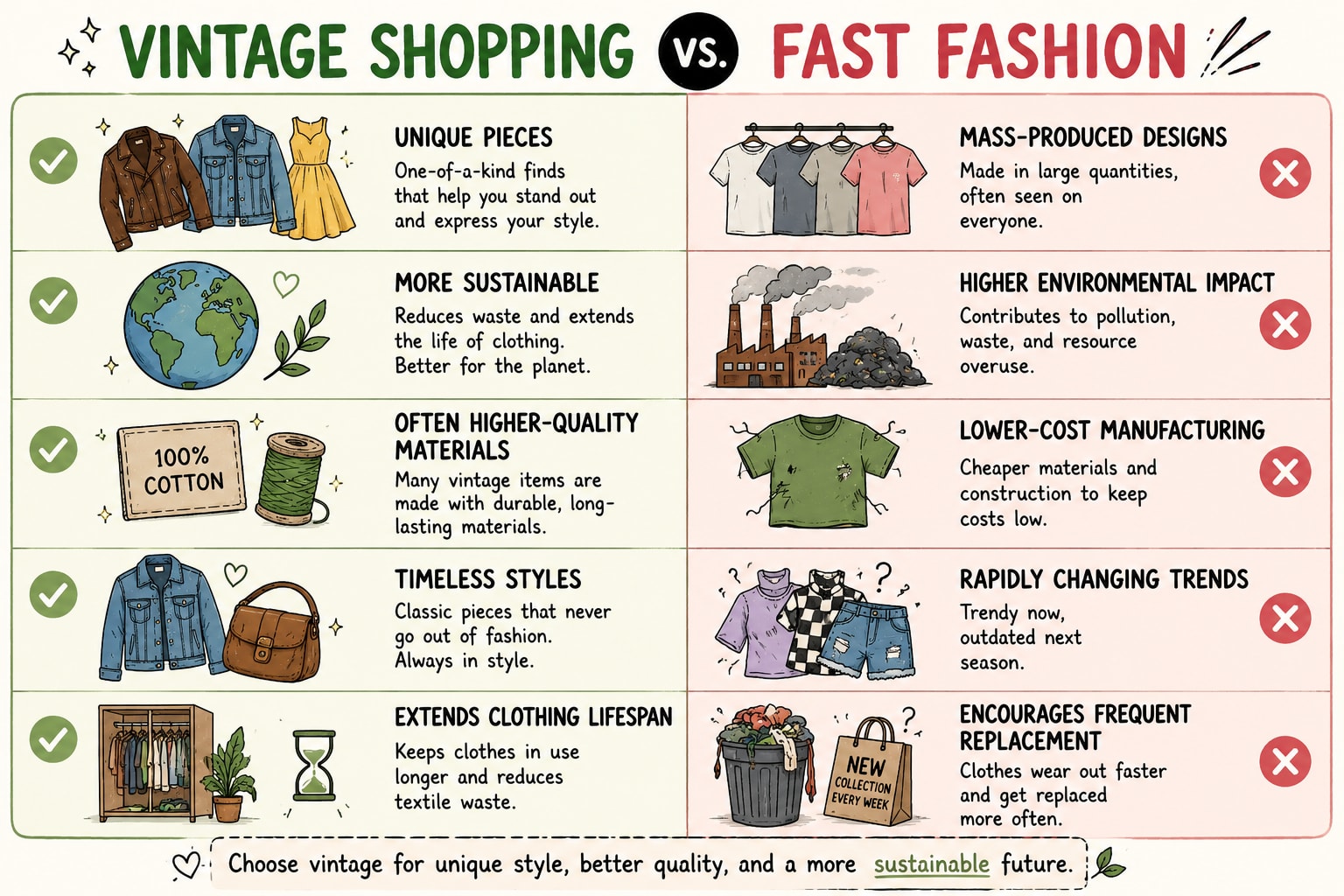
This comparison highlights why many consumers are shifting toward vintage fashion—not just for style, but also for quality and sustainability.
How to Shop Vintage Like a Pro
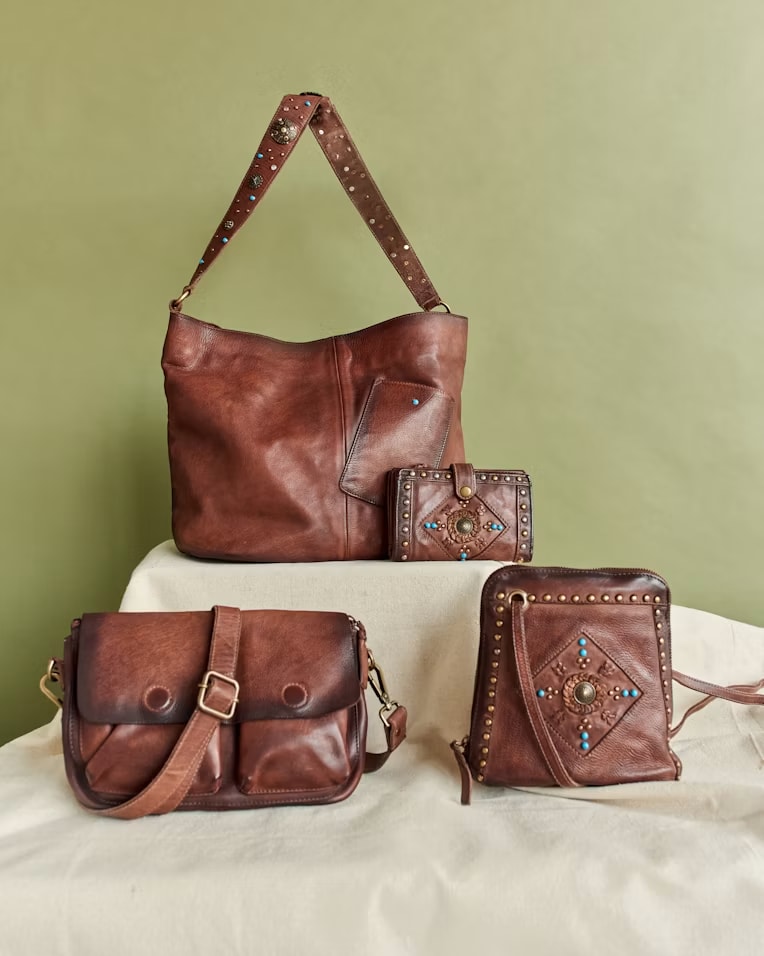
If you're new to vintage shopping, these tips can help you find better pieces.
1. Check Fabric Labels
Look for natural materials such as cotton, wool, silk, and linen whenever possible.
2. Inspect Stitching
Well-made garments usually have strong seams and quality finishing.
3. Don't Focus on Size Tags
Vintage sizing often differs from modern sizing.
Always try items on or check measurements carefully.
4. Look Beyond Small Imperfections
Loose buttons or minor repairs are often easy fixes.
5. Visit Frequently
Inventory changes constantly, so regular visits often lead to the best discoveries.
Patience is one of the biggest advantages in vintage shopping.
Best Things to Buy Vintage
Certain items consistently offer excellent value when purchased secondhand.
Some of the most popular vintage finds include:
- Denim jackets
- Leather jackets
- Blazers
- Designer handbags
- Leather boots
- Watches
- Jewelry
- Vinyl records
- Home décor
- Solid wood furniture
These categories often combine durability with timeless style.
Vintage Shopping Essentials: Products That Help You Care for Your Finds
Is Vintage Shopping Actually Cheaper?
Not always.
Everyday thrifted clothing is often significantly cheaper than buying new.
However, rare designer pieces, luxury handbags, and collectible vintage items can be quite expensive.
The real advantage isn't always the lowest price—it's getting better quality and greater uniqueness for your money.
The Future of Vintage Shopping
The resale economy continues to grow as consumers become more conscious about sustainability and spending habits.
Experts expect increased demand for:
- Luxury resale
- Circular fashion
- Sustainable wardrobes
- Clothing repair services
- Vintage accessories
- Pre-owned designer fashion
As shoppers prioritize quality over quantity, vintage fashion is likely to remain one of the industry's fastest-growing segments.
The Bottom Line
Vintage shopping is no longer simply about saving money—it's become a reflection of changing consumer values.
People are choosing vintage clothing because it offers individuality, better craftsmanship, affordability, and a more sustainable alternative to fast fashion.
Whether you're searching for a timeless leather jacket, a one-of-a-kind handbag, or simply a smarter way to shop, vintage fashion proves that sometimes the best new addition to your wardrobe is something with a little history.
As concerns about sustainability and mindful consumption continue to grow, vintage shopping isn't just a passing trend—it's shaping the future of fashion.
Frequently Asked Questions
1. Is vintage clothing better than fast fashion?
In many cases, yes. Vintage clothing is often made with higher-quality materials and craftsmanship while also reducing textile waste.
2. What's the difference between vintage and thrift shopping?
Vintage shopping focuses on older items with historical or stylistic value, while thrift shopping includes all types of secondhand goods, regardless of age.
3. Why is vintage shopping becoming so popular?
Vintage shopping is booming because consumers want unique fashion, better quality, sustainable clothing, and affordable alternatives to fast fashion.
4. Is buying vintage more sustainable?
Yes. Purchasing pre-owned clothing helps reduce waste, extends the life of garments, and supports a circular fashion economy.