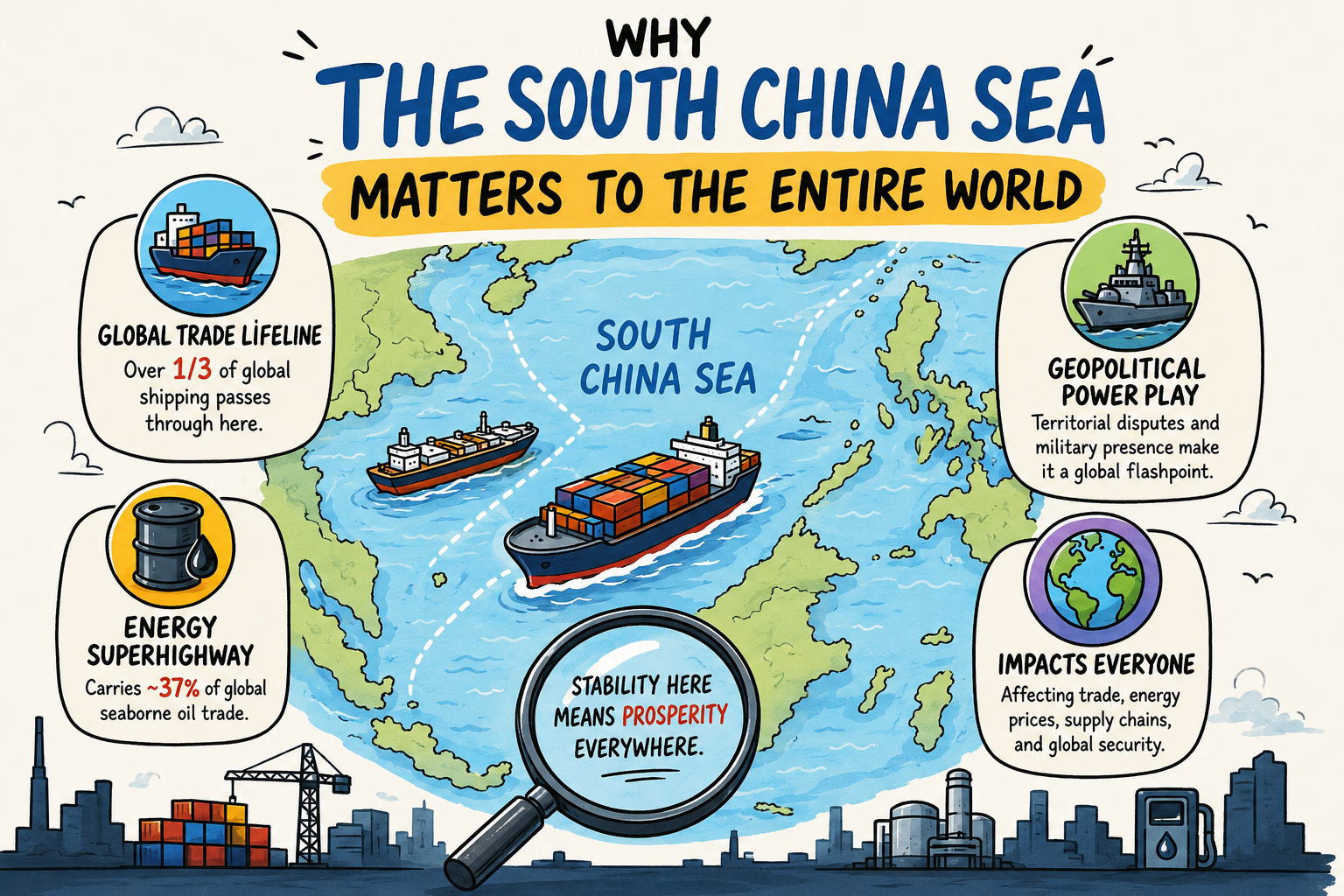

Most people have heard of the South China Sea.
Far fewer understand why it has become one of the most strategically important regions on Earth.
At first glance, it looks like just another body of water between China and Southeast Asia.
In reality, the South China Sea sits at the center of global trade, energy security, military competition, and great-power politics.
A disruption here would not just affect Asia.
It could impact fuel prices, global supply chains, shipping costs, and economic growth worldwide.
That is why governments from Washington to New Delhi, Tokyo, Canberra, and Brussels are paying close attention to what happens in these waters.
One of the World's Most Important Trade Routes
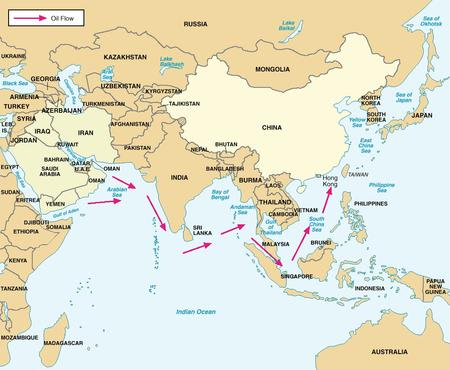
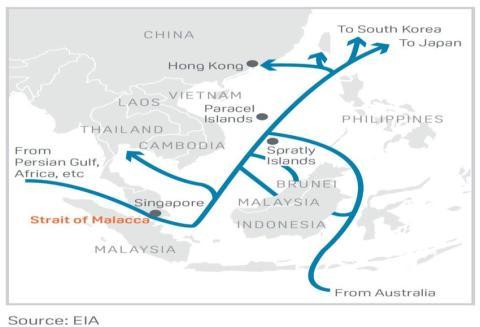
The South China Sea is often described as the world's most important maritime highway.
According to the U.S. Energy Information Administration, approximately 21% of global trade, worth around $3.4 trillion, passes through the South China Sea.
In addition, the region carries roughly one-third of global shipping traffic, making it one of the busiest waterways on the planet. (ChinaPower Project)
Everything from:
- electronics
- automobiles
- semiconductors
- machinery
- consumer goods
moves through these sea lanes.
If trade through the South China Sea were disrupted, companies worldwide could face delays, shortages, and higher transportation costs.
The Region Is Critical for Energy Supplies
The South China Sea is not just about cargo ships.
It is also a major energy corridor.
In 2023:
- around 28 million barrels of petroleum and petroleum products per day passed through the South China Sea
- this represented approximately 37% of global seaborne petroleum trade
The sea also carried approximately 6.7 trillion cubic feet of liquefied natural gas (LNG) during the year.
Countries such as:
- China
- Japan
- South Korea
depend heavily on these routes for energy imports.
Any major conflict or blockade could immediately affect global energy markets and potentially push oil prices higher.
Why So Many Countries Claim the South China Sea
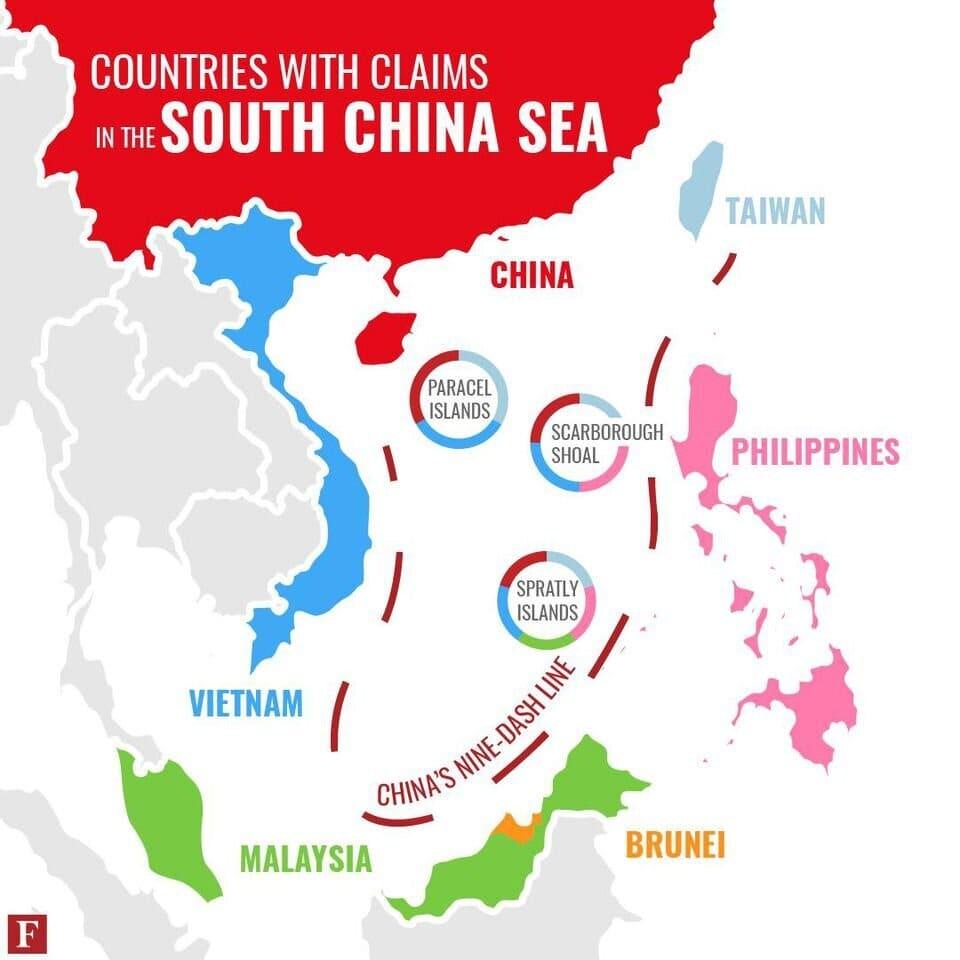
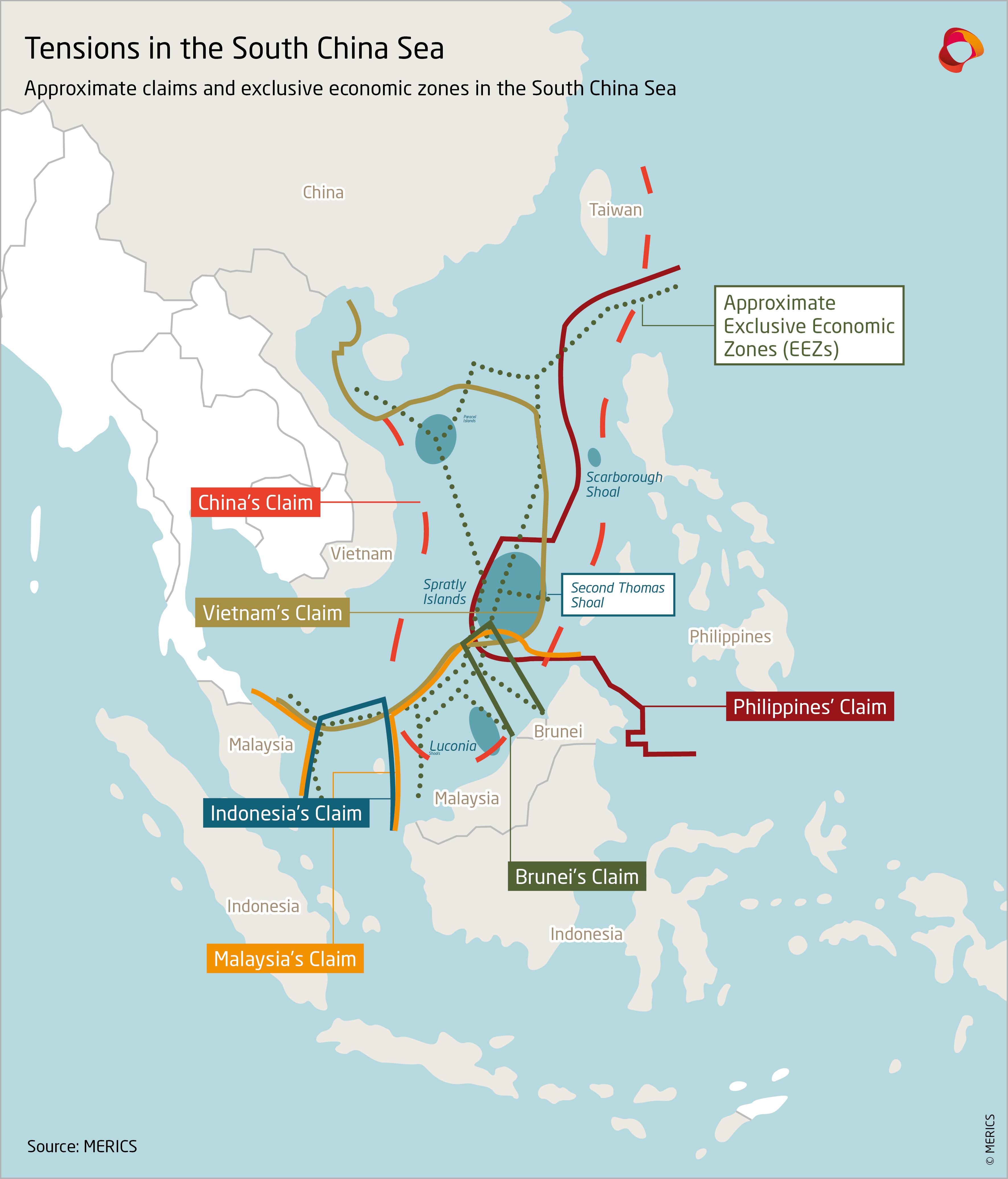
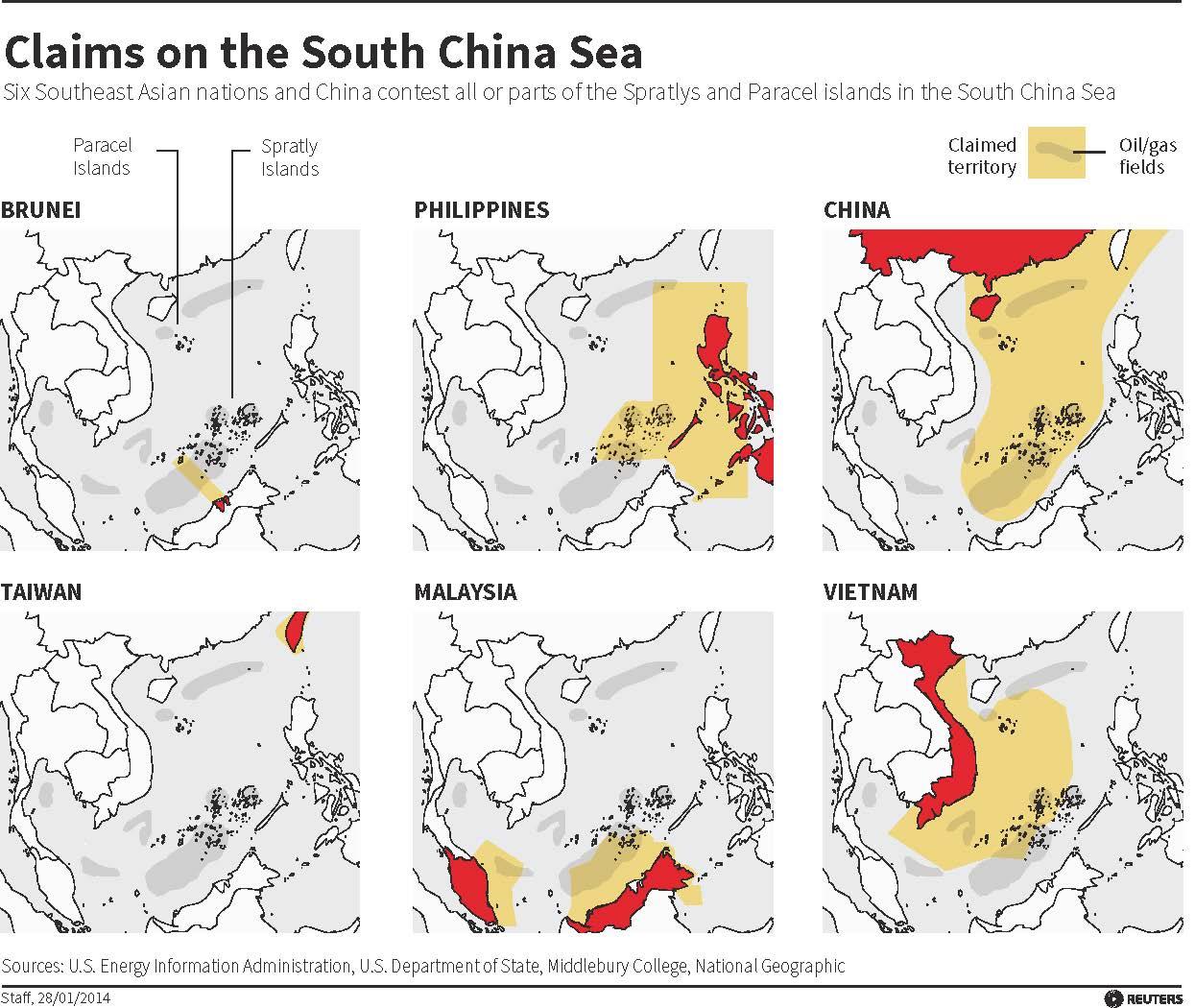
The South China Sea is claimed, wholly or partially, by multiple countries.
These include:
- China
- Philippines
- Vietnam
- Malaysia
- Brunei
- Taiwan
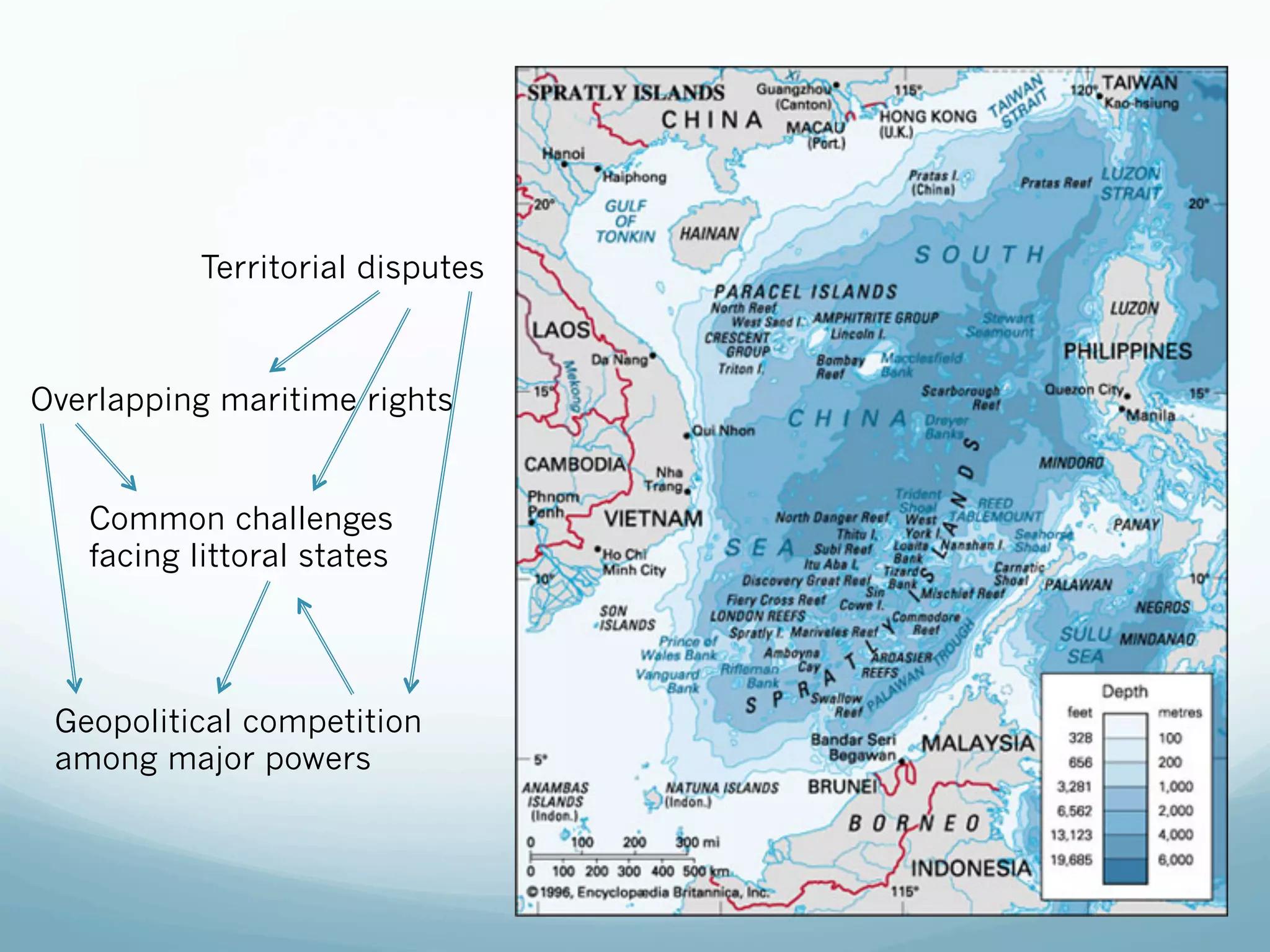
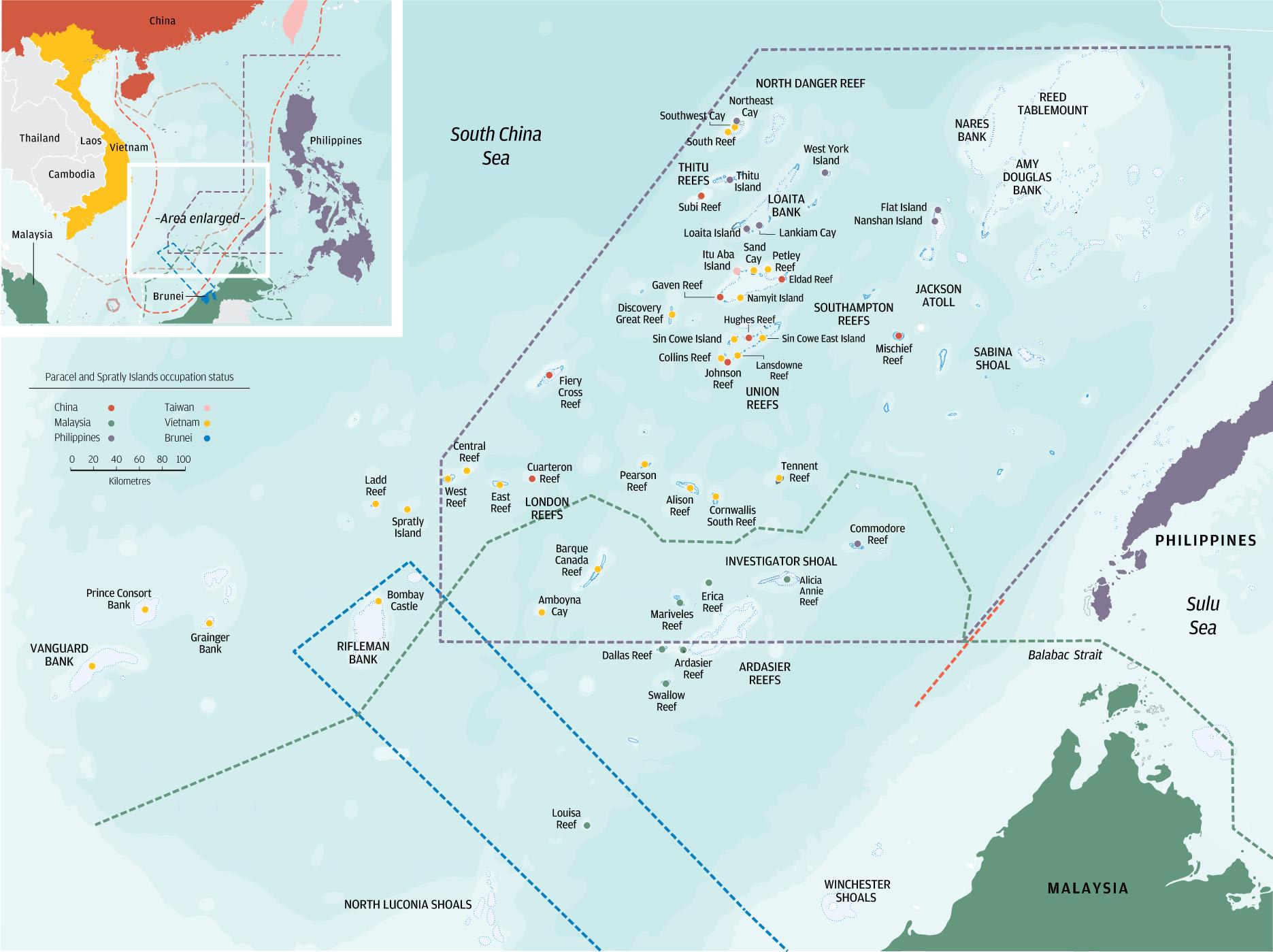
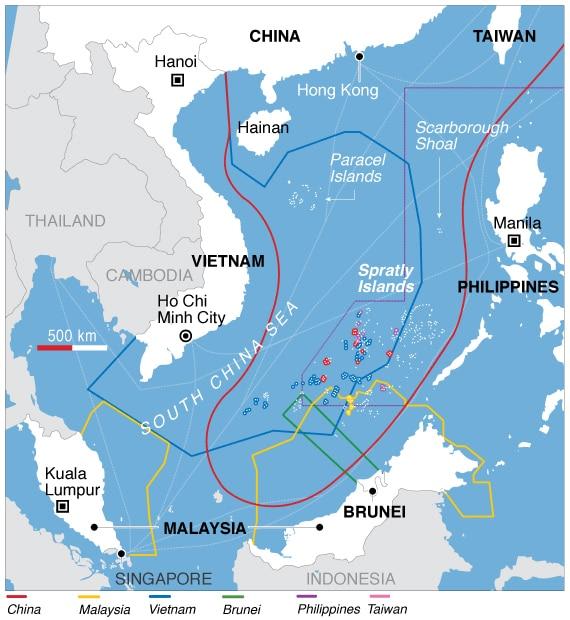
The dispute centers around islands, reefs, and maritime zones believed to contain valuable resources and strategic advantages. (The Guardian)
China claims most of the sea through its "Nine-Dash Line," a position that overlaps with claims from several neighboring countries. (Reuters)
In 2016, an international tribunal in The Hague ruled that China's broad claims had no legal basis under international law, a decision Beijing rejected. (Reuters)
The US and China Are Competing for Influence
The South China Sea has become one of the most visible arenas of strategic competition between the United States and China.
China has built and expanded artificial islands, military facilities, airstrips, and surveillance systems across parts of the region. (The Guardian)
Meanwhile, the United States regularly conducts freedom of navigation operations, arguing that international waters must remain open to all countries. (The Washington Post)
The concern is simple:
If one country gains excessive control over a waterway through which trillions of dollars of trade pass, it could reshape the balance of power in Asia and beyond.
Why It Matters to India
Many people assume the South China Sea is only a concern for East Asian countries.
That is not true.
According to trade estimates, about 30% of India's goods trade is connected to routes that pass through or depend on the South China Sea. (Eurasia Review)
India also has growing economic and strategic interests in Southeast Asia through its Act East policy.
As India expands trade and partnerships across the Indo-Pacific, stability in the South China Sea becomes increasingly important.
The Semiconductor Connection
Another reason the world cares about the South China Sea is technology.
Many of the world's most advanced semiconductors are produced in East Asia.
These chips power:
- smartphones
- computers
- AI systems
- automobiles
- military equipment
Any serious disruption to shipping routes in the region could affect global technology supply chains.
Given the growing importance of artificial intelligence and advanced manufacturing, this risk is becoming even more significant.
The Risk of Miscalculation
One of the biggest concerns is not necessarily a deliberate war.
It is an accident.
Recent years have seen repeated confrontations between Chinese and Philippine vessels, close military encounters, and disputes around contested reefs and shoals. (Reuters)
When multiple militaries operate in a confined and disputed area, even a small incident can escalate unexpectedly.
History shows that geopolitical crises often begin with misunderstandings rather than intentional decisions.
Why the Entire World Should Care
The South China Sea may appear to be a regional dispute.
In reality, it is a global issue.
The region affects:
- international trade
- energy security
- military strategy
- technology supply chains
- economic stability
Nearly every major economy has something at stake.
That is why the South China Sea continues to be one of the most closely watched geopolitical flashpoints in the world.
Foreword
The South China Sea matters because it connects economics and geopolitics in one place.
Trillions of dollars in trade move through its waters.
Major powers compete for influence there.
Critical energy supplies and technology supply chains depend on its stability.
For investors, businesses, policymakers, and ordinary consumers, what happens in the South China Sea does not stay in the South China Sea.
Its consequences can be felt across the entire global economy.
The South China Sea is not the only geopolitical flashpoint in Asia. Rising tensions around Taiwan have also become a major concern for global stability.