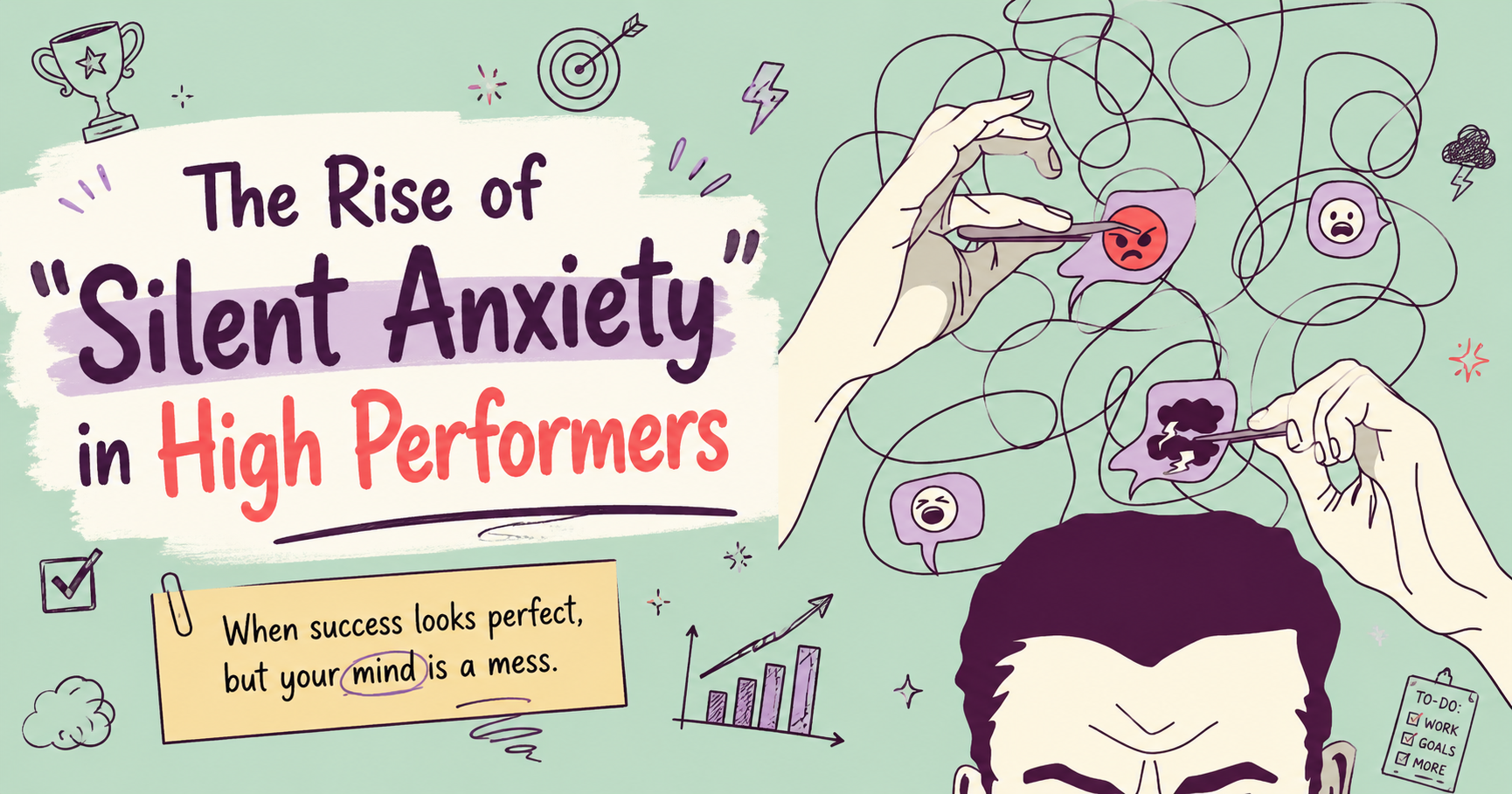

You meet deadlines. You achieve your goals. People admire your work ethic.
From the outside, it looks like everything is going perfectly.
But inside, your mind never seems to slow down.
Even after finishing a project, you're already worrying about the next one. You replay conversations, second-guess decisions, and constantly wonder if you're doing enough.
This experience is becoming so common that many psychologists and wellness experts describe it as "silent anxiety."
Unlike obvious anxiety, silent anxiety often hides behind success. The people experiencing it may appear confident, productive, and in control—even while dealing with constant internal stress.
So why are so many high achievers experiencing silent anxiety, and what can they do about it?
Let's take a closer look.
What Is Silent Anxiety?
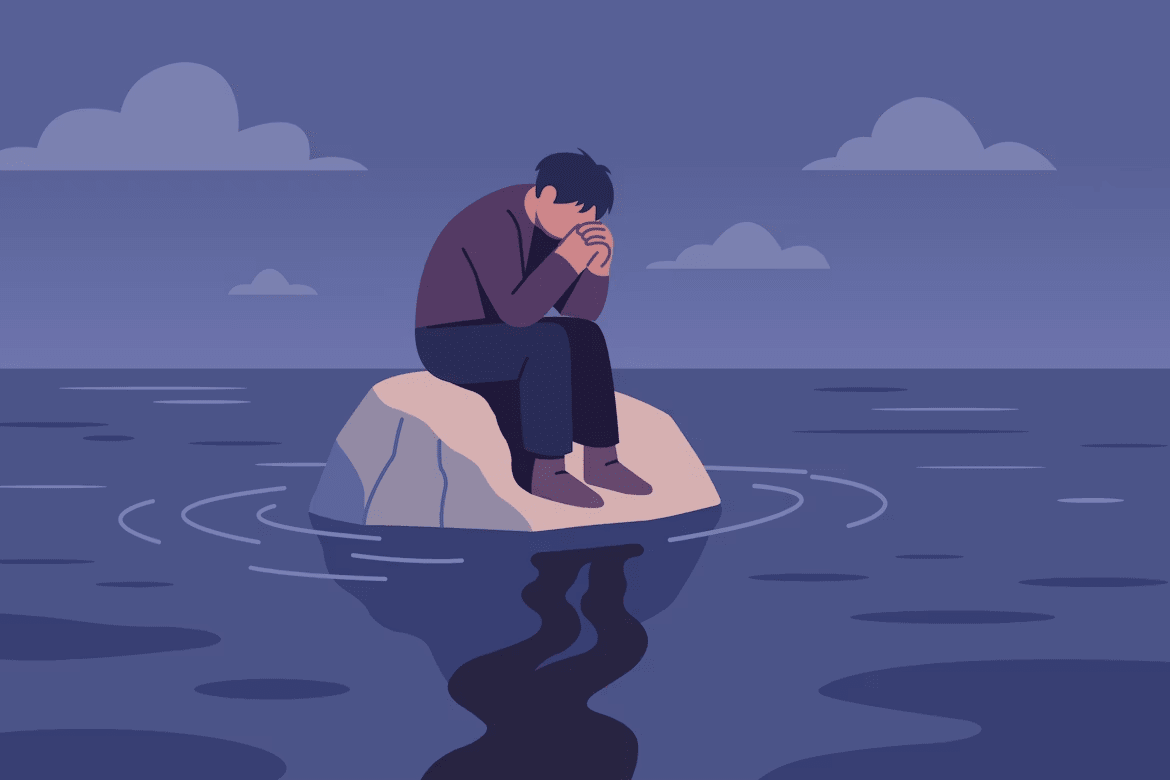
Silent anxiety refers to persistent feelings of worry, pressure, or mental restlessness that aren't always visible to others. People experiencing it often continue performing well at work, school, or in their personal lives while quietly struggling with stress internally.
Although "silent anxiety" isn't an official medical diagnosis, it describes a pattern that many people recognize in themselves.
Unlike panic attacks or obvious anxious behaviors, silent anxiety often looks like:
- Always staying busy
- Overthinking simple decisions
- Constantly checking emails
- Feeling guilty while resting
- Struggling to switch off after work
- Setting impossibly high expectations
Because these behaviors are often praised as signs of ambition, the underlying anxiety can go unnoticed.
Why High Performers Are More Likely to Experience Silent Anxiety
Success doesn't automatically reduce stress.
In many cases, it creates new pressures.
1. The Fear of Falling Behind
High performers often feel that every achievement raises the standard for the next one.
Instead of celebrating success, they immediately ask:
"What's next?"
This constant pressure to maintain performance leaves little room for relaxation.
2. Productivity Has Become Part of Our Identity
Today's culture celebrates hustle.
Busy schedules are often treated as badges of honor.
Many people unconsciously begin connecting their self-worth to their productivity.
When they're not working, they feel guilty.
This makes genuine rest surprisingly difficult.
3. Social Media Makes Success Look Constant
LinkedIn celebrates promotions.
Instagram highlights dream vacations.
TikTok showcases morning routines and side hustles.
What we rarely see are the moments of uncertainty behind those achievements.
Constant exposure to other people's highlight reels can create the illusion that everyone else is moving faster.
4. Perfectionism Never Feels Finished
Many high achievers don't chase perfection because they enjoy it.
They chase it because they're afraid of making mistakes.
Even after receiving praise, they may focus only on the tiny things that could have been better.
Over time, this creates a cycle where success brings only temporary relief before the next wave of pressure begins.
5. Success Often Brings More Responsibility
A promotion doesn't always reduce stress.
It usually adds more meetings, bigger decisions, tighter deadlines, and higher expectations.
Ironically, becoming more successful can increase anxiety if healthy coping strategies don't grow alongside new responsibilities.
Signs You Might Be Experiencing Silent Anxiety
Because silent anxiety doesn't always look dramatic, many people don't realize they're experiencing it.
Some common signs include:
- You struggle to relax, even during vacations.
- Your mind keeps racing after work.
- You check your phone or email constantly.
- You feel guilty for taking breaks.
- You overthink conversations long after they end.
- You have trouble celebrating achievements.
- You always feel like you're behind.
- You keep saying "I'll relax after this project," but another project always appears.
If several of these sound familiar, you're certainly not alone.
Why Silent Anxiety Often Goes Unnoticed
Unlike visible burnout, silent anxiety can hide behind impressive achievements.
People experiencing it often continue to:
- Meet deadlines
- Earn promotions
- Build businesses
- Maintain relationships
- Perform well academically
Because everything appears successful from the outside, friends, coworkers, and even family members may never realize how much internal pressure they're carrying.
This invisible nature is what makes silent anxiety particularly challenging.
The Hidden Cost of Always Performing
Living in a constant state of pressure can affect more than your work.
Over time, it may contribute to:
- Poor sleep
- Difficulty concentrating
- Emotional exhaustion
- Increased irritability
- Lower creativity
- Reduced job satisfaction
- Physical fatigue
Ironically, constantly trying to maximize productivity can eventually reduce performance.
Our brains simply aren't designed to stay in "achievement mode" all the time.
Practical Ways to Manage Silent Anxiety
Managing silent anxiety doesn't mean lowering your ambitions.
It means creating healthier ways to pursue them.
1. Redefine Productivity
Productivity isn't just about doing more.
It's also about knowing when to pause.
Rest is part of sustainable performance—not the opposite of it.
2. Celebrate Small Wins
Instead of immediately chasing the next goal, take a moment to recognize what you've already accomplished.
Small celebrations help train your brain to experience achievement instead of constantly anticipating the next challenge.
3. Create Boundaries Around Work
Simple habits can make a significant difference:
- Turn off work notifications after hours.
- Schedule regular breaks.
- Avoid checking emails before bed.
- Protect at least one screen-free hour each day.
Boundaries help your brain recognize when it's safe to relax.
4. Stop Comparing Your Timeline
Someone else's promotion doesn't mean you're falling behind.
Everyone moves through life at a different pace.
Success isn't a race with one finish line.
5. Talk About It
Many high performers believe they have to appear strong all the time.
In reality, discussing stress with trusted friends, mentors, or a mental health professional can provide perspective and practical support.
Seeking help is a sign of self-awareness—not weakness.
Can You Be Successful Without Constant Anxiety?

Absolutely.
Many of the world's most successful people have learned that long-term achievement depends on consistency, not constant pressure.
Working harder isn't always the answer.
Sometimes working with clearer priorities, healthier routines, and realistic expectations produces better results.
The goal isn't to eliminate ambition.
The goal is to ensure ambition doesn't come at the cost of your well-being.
The Bottom Line
The rise of silent anxiety among high performers reflects the pressures of modern life. In a world that rewards constant productivity, it's easy to mistake chronic stress for dedication.
But success doesn't have to mean living in a constant state of worry.
Recognizing the signs of silent anxiety is the first step toward building a healthier relationship with work, achievement, and yourself.
True success isn't just measured by promotions, grades, or accomplishments—it's also measured by your ability to enjoy the life you're working so hard to create.
Frequently Asked Questions
1. Is silent anxiety a real medical condition?
No. Silent anxiety is not an official clinical diagnosis. It's an informal term used to describe persistent anxiety that isn't always obvious to others.
2. Why do successful people experience anxiety?
High achievers often face greater expectations, perfectionism, fear of failure, and constant pressure to maintain their success, all of which can contribute to anxiety.
3. Can high performers hide anxiety?
Yes. Many people with anxiety continue to excel at work or school while quietly experiencing excessive worry and stress.
4. How can I reduce silent anxiety?
Creating work-life boundaries, practicing self-compassion, celebrating achievements, limiting comparison, and seeking professional support when needed can all help manage ongoing anxiety.