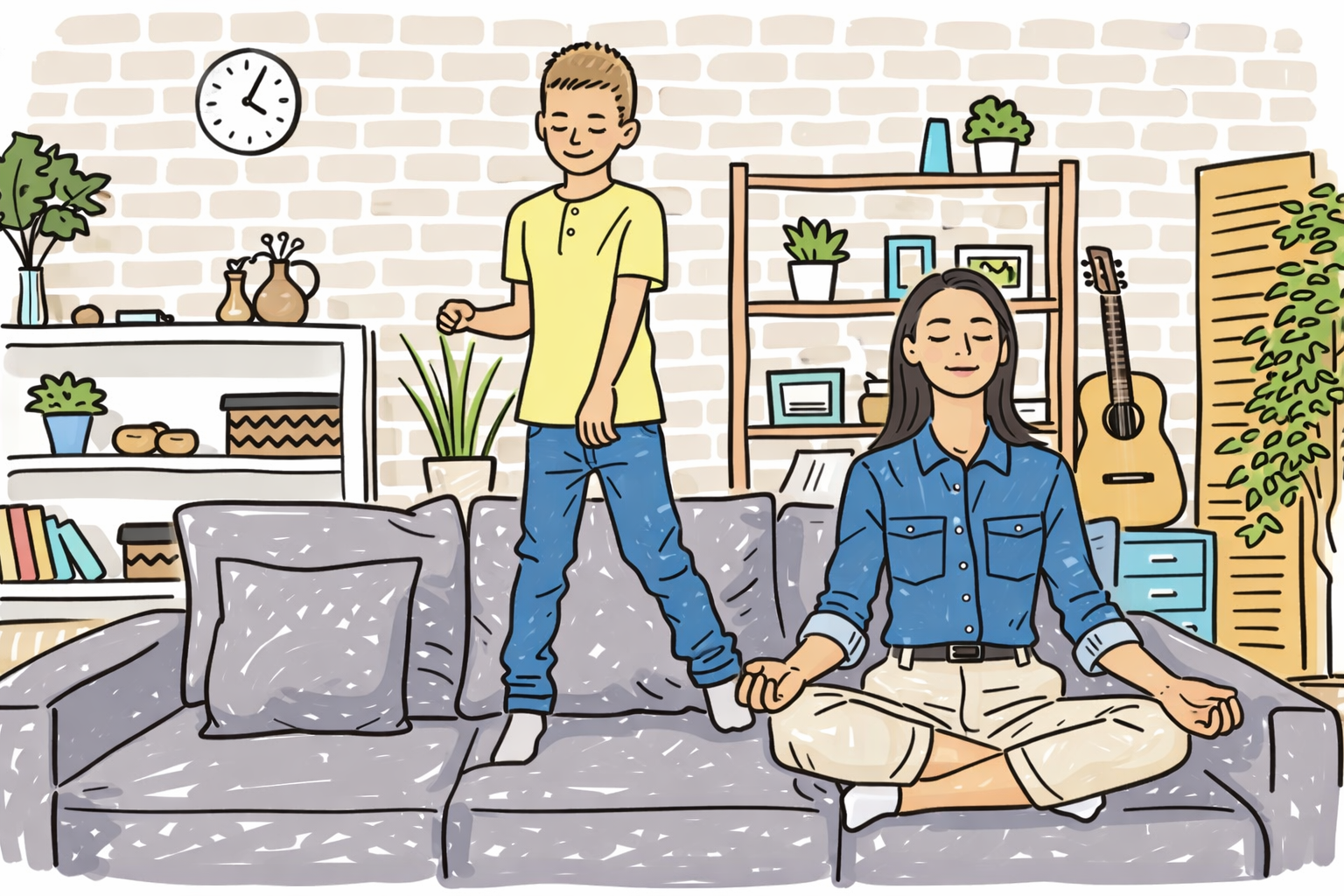

You’ve seen it before, someone handling a high-pressure situation with complete calm. It doesn't matter if it’s a last-minute deadline, a crisis at work, or a tense personal moment, they don’t panic. Instead, they think clearly, act decisively, and stay in control.
So what makes these people different?
The answer isn’t luck or personality alone, it’s how their brain and mindset respond to stress.
The Science Behind Staying Calm

So what makes these people different?
The answer isn’t luck or personality alone, it’s how their brain and mindset respond to stress.
When we face pressure, the brain activates its threat detection system, primarily the amygdala. This triggers the classic fight-or-flight response—raising heart rate, increasing cortisol, and narrowing focus.
But here’s the difference:
People who stay calm have a stronger connection between their emotional brain (amygdala) and logical brain (prefrontal cortex).
This means:
- They don’t suppress stress, they manage it
- Their brain pauses before reacting
- They stay focused on solutions, not panic
In simple terms: their brain doesn’t overreact to pressure—it processes it.
5 Key Traits of Calm People Under Pressure
1. They Reframe the Situation
Instead of thinking “This is a disaster,” they think:
“This is a challenge I can handle.”
This mental shift reduces fear and increases control.
2. They Control What They Can
Calm individuals don’t waste energy on things outside their control. They focus on:
- Immediate actions
- Small decisions
- Clear next steps
3. They’re Comfortable with Uncertainty
Pressure often comes from the unknown. People who stay calm accept that:
“Not everything needs to be figured out right now.”
This reduces anxiety and overthinking.
4. They Practice Emotional Awareness
They notice stress—but don’t let it take over.
Instead of reacting impulsively, they pause and ask:
- “What am I feeling?”
- “What’s the best response here?”
That pause is powerful.
5. They’ve Trained Their Mind (Yes, It’s Trainable)
Calmness isn’t an inborn superpower—it’s built over time through habits like:
- Deep breathing
- Mindfulness
- Exposure to challenging situations
- Self-reflection
The more you face pressure, the better your brain gets at handling it.
Why Most People Panic Instead
If staying calm is possible, why doesn’t everyone do it?
Because the brain is wired for survival, not performance.
It prefers:
- Overreacting rather than missing danger
- Speed over accuracy
- Emotion over logic
That’s why pressure often feels overwhelming—even when it’s not life-threatening.
How You Can Stay Calm Under Pressure
Here are simple, practical techniques:
- Pause before reacting (even 5 seconds helps)
- Slow your breathing (inhale 4 sec, exhale 6 sec)
- Break the problem into small steps
- Focus on action, not outcome
- Remind yourself: “I’ve handled tough situations before.”
These small shifts can completely change how your brain responds.
Tools That Can Help You Build Calmness
If you want to actively train your mindset, these can be useful additions:
- “Emotional Intelligence 2.0” by Travis Bradberry A practical guide to improving self-awareness, emotional control, and decision-making under stress.
- A guided journal or mindfulness notebook Writing down thoughts helps reduce mental overload and improves clarity in high-pressure situations.
Staying calm under pressure isn’t about eliminating stress—it’s about responding to it differently.
The people who seem naturally calm have simply trained their minds to pause, process, and act—rather than react.
And the best part?
That’s a skill you can build too.