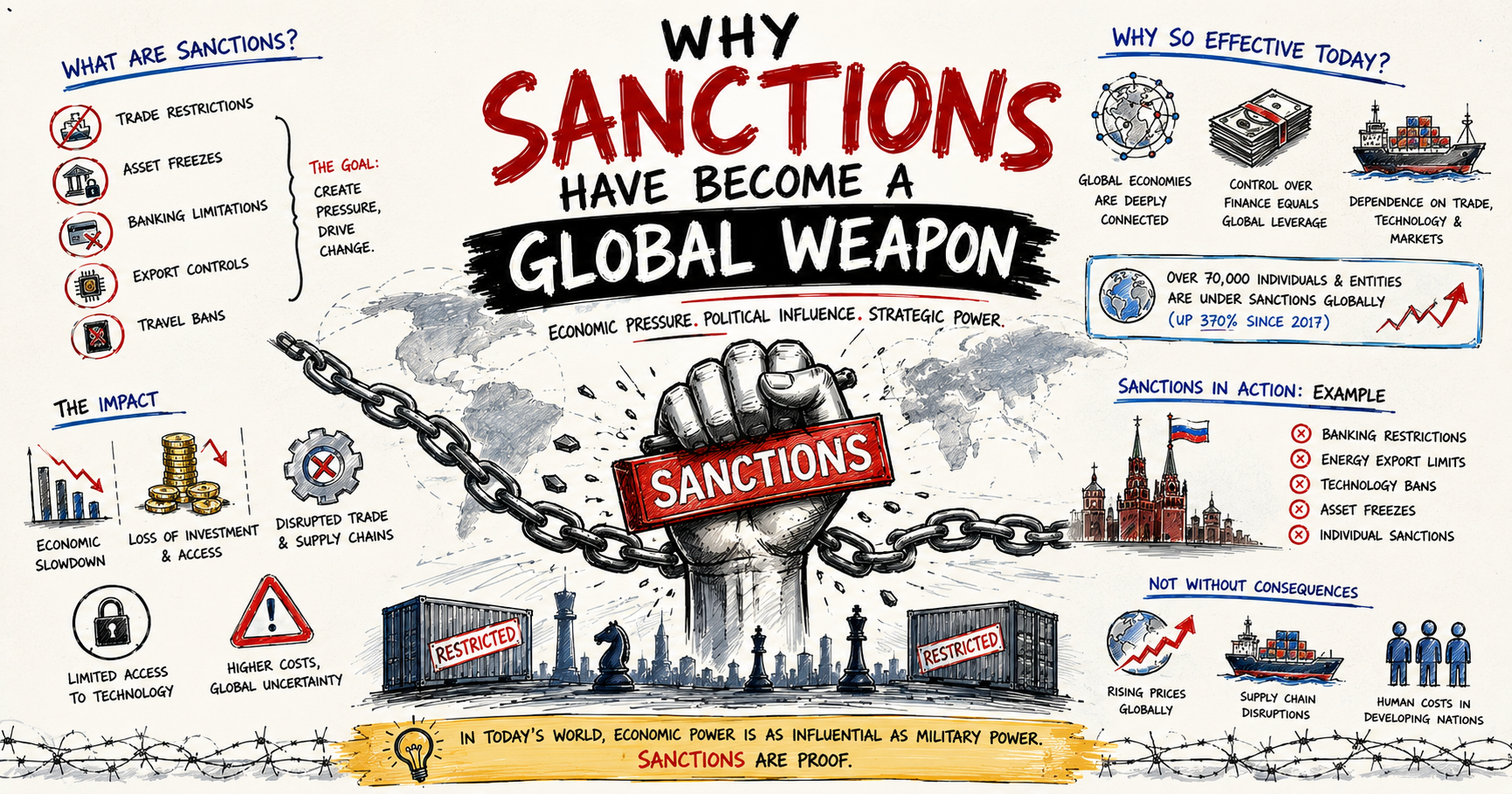

Economic sanctions were once considered a relatively limited diplomatic tool. Today, they have become one of the most powerful weapons in international politics.
Instead of deploying troops or launching military operations, governments increasingly use sanctions to pressure rivals, punish aggression, influence political behavior, and restrict access to global markets. From Russia and Iran to North Korea and Venezuela, sanctions have become a central feature of modern geopolitics.
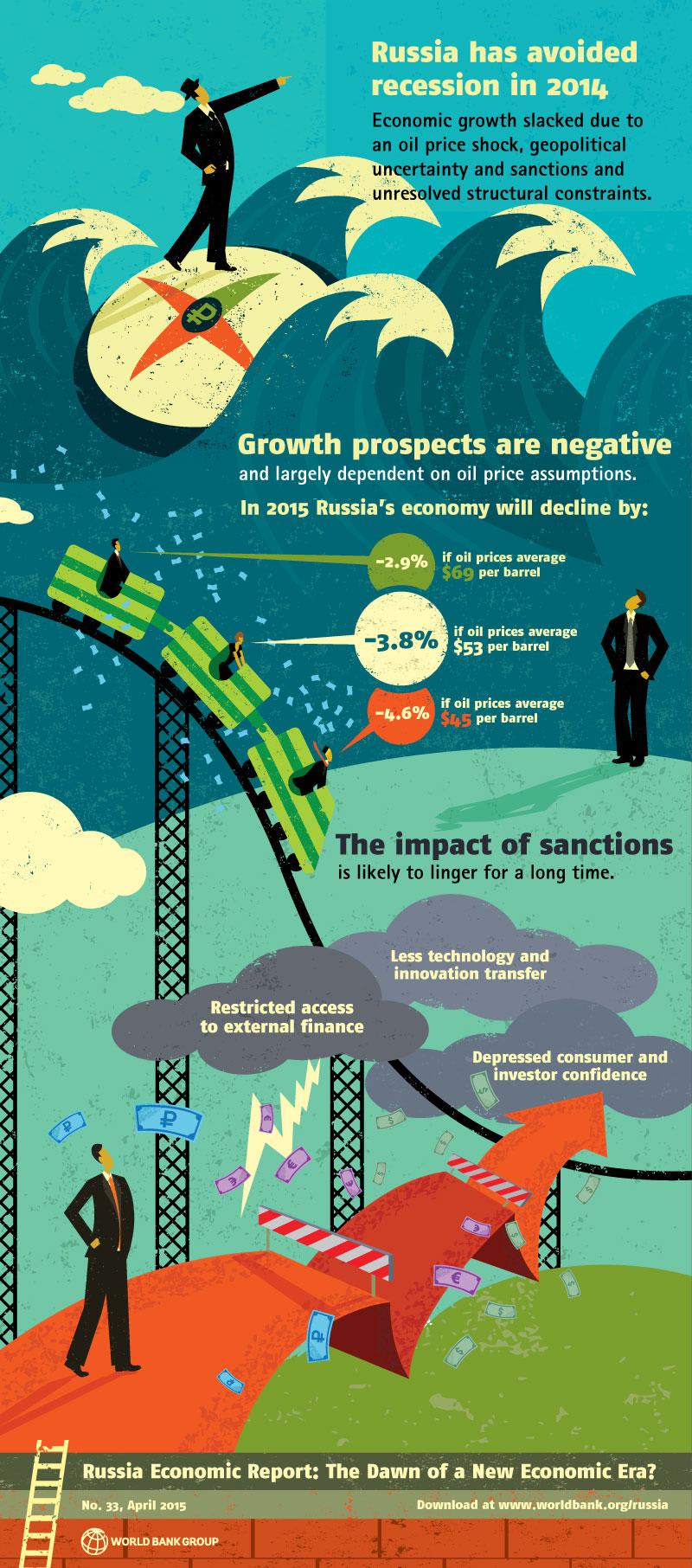
The growing reliance on sanctions raises an important question: Why have they become such a popular tool of global power?
What Are Sanctions?
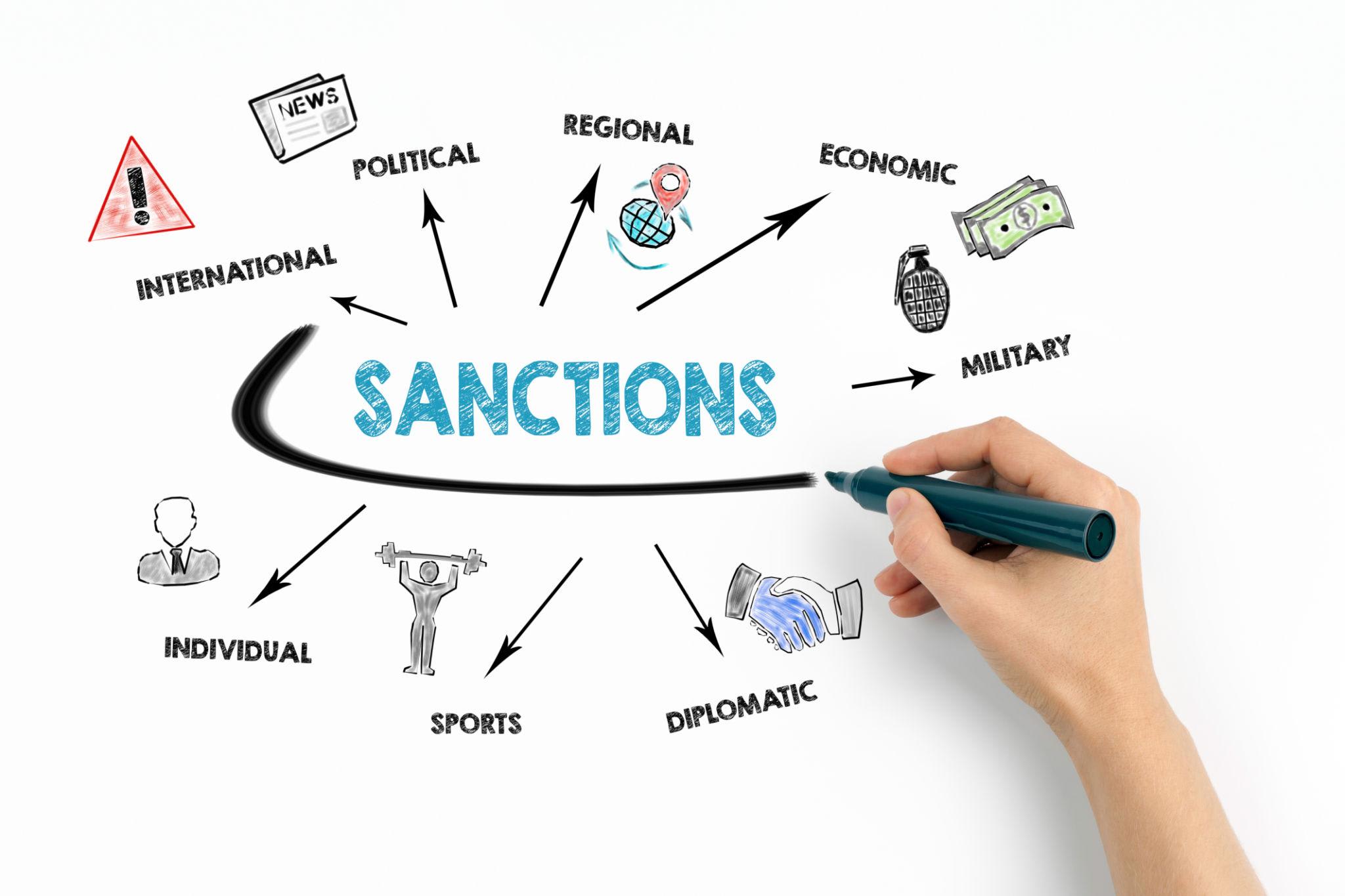
Sanctions are restrictions imposed by one country or a group of countries on another country, organization, company, or individual.
These measures can include:
- Trade restrictions
- Asset freezes
- Banking limitations
- Export controls
- Travel bans
- Restrictions on technology transfers
The objective is simple: create economic pressure that forces a target to change its behavior without resorting to military force.
In theory, sanctions provide governments with a middle ground between diplomacy and war.
The Rise of Sanctions in the 21st Century
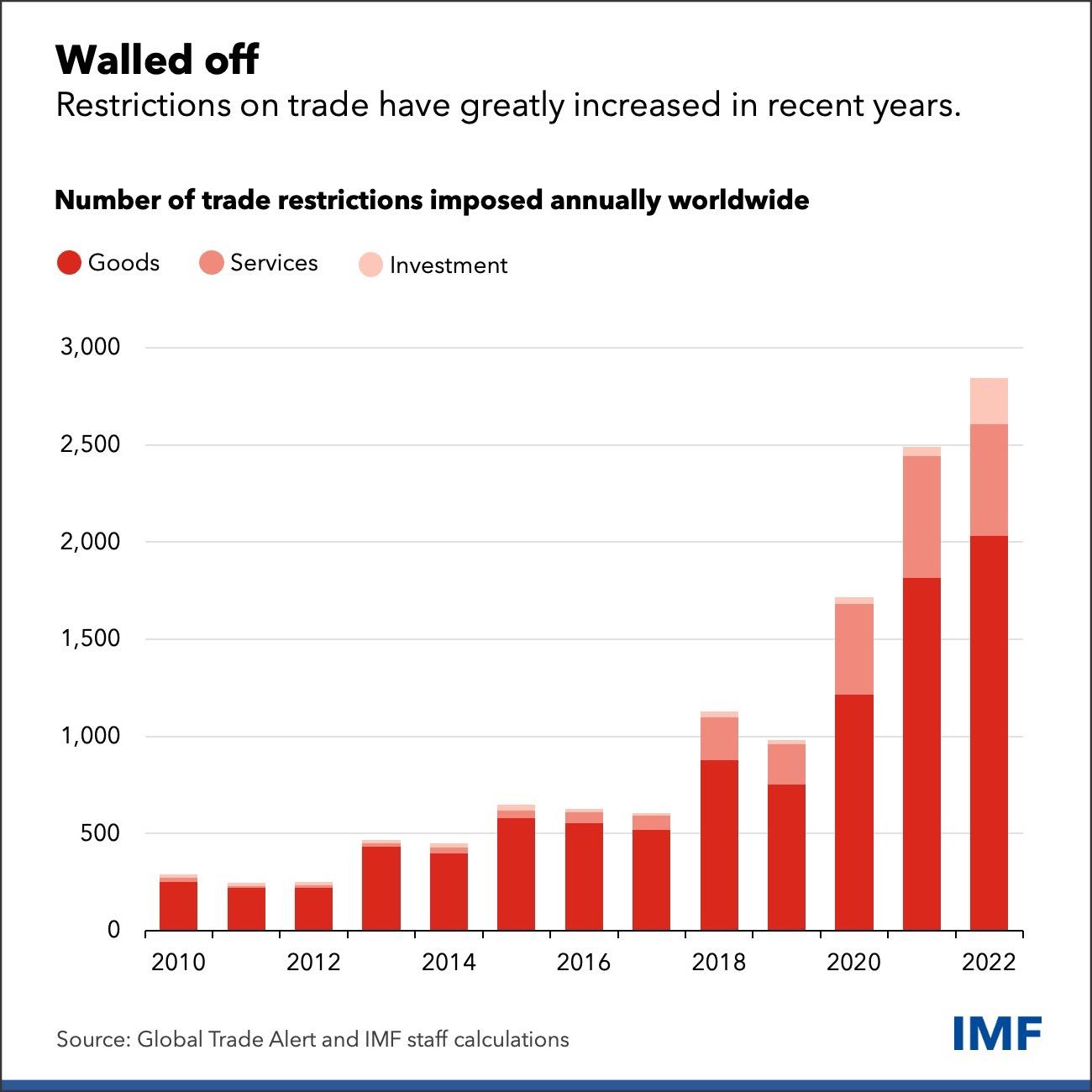
The use of sanctions has expanded dramatically over the past decade.
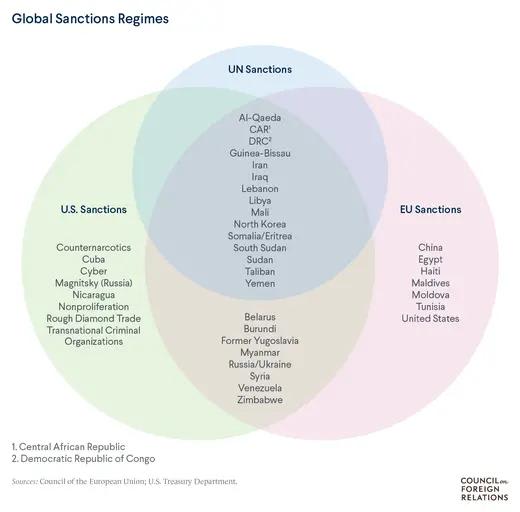
According to the Global Sanctions Index, the number of sanctioned individuals and entities worldwide increased by more than 370% between 2017 and 2024, with over 70,000 sanctioned persons and organizations globally. (LSEG)
This growth reflects a major shift in international relations.
Rather than relying solely on military power, countries are increasingly using financial systems, trade networks, and access to global markets as tools of influence.
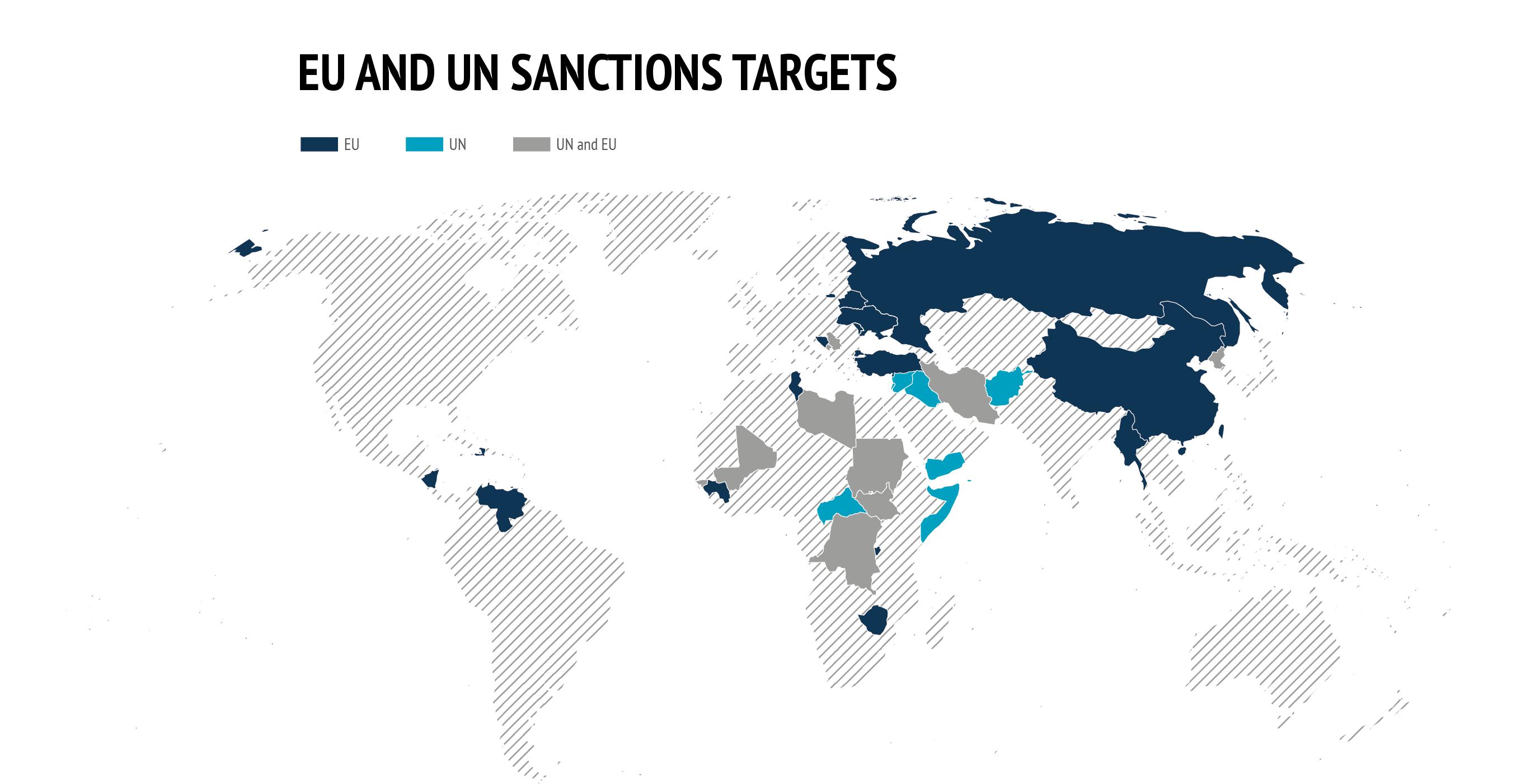
The trend accelerated after Russia's invasion of Ukraine in 2022, which triggered one of the largest sanctions campaigns in modern history. More than 38 countries participated in various sanctions against Russia, targeting banks, energy exports, technology imports, and wealthy individuals. (IMF)
Why Sanctions Have Become So Effective
One reason sanctions have become more powerful is globalization itself.
Modern economies are deeply interconnected. International trade, banking systems, supply chains, and digital payments link countries together in ways that did not exist decades ago.
This interdependence creates vulnerabilities.
When a major economy loses access to:
- Global financial markets
- International payment systems
- Advanced technologies
- Foreign investment
the economic consequences can be significant.
The IMF notes that today's highly integrated global economy allows sanctions to generate larger economic shocks than ever before. (IMF)
The Power of the Financial System
Many modern sanctions work because of the central role of the global financial system.
The U.S. dollar remains the dominant currency for international trade and reserves. Because many international transactions pass through dollar-based financial institutions, countries that control access to these systems possess significant leverage.
This is one reason financial sanctions have become more common than traditional trade embargoes.
A country may still produce goods and resources, but if it struggles to access international banking networks, conducting business becomes far more difficult.
This financial influence has transformed sanctions into a strategic geopolitical weapon.
Russia: The Modern Sanctions Test Case
No recent example demonstrates the scale of sanctions better than Russia.
Following the invasion of Ukraine, Western governments imposed thousands of restrictions targeting Russian banks, companies, government agencies, and individuals.
The objective was to reduce Russia's ability to finance the war and limit access to critical technologies.
The sanctions affected trade with sanctioning countries and disrupted parts of Russia's access to global markets. However, they also revealed an important reality: sanctions do not always produce immediate political results. Russia expanded trade with countries that did not participate in sanctions, helping offset some economic losses. (CEPR)
This has fueled ongoing debates about how effective sanctions truly are.
Why Countries Prefer Sanctions Over Military Action
Military conflicts are expensive, politically risky, and often unpredictable.
Sanctions offer several advantages:
- Lower direct military risk
- Reduced political costs
- Greater international coordination
- Flexible implementation
- Ability to target specific industries or individuals
For governments seeking to respond to aggression, human rights violations, or security threats, sanctions often appear more practical than military intervention.
As a result, sanctions have become one of the first responses to major international crises.
The Hidden Costs of Sanctions
While sanctions target specific countries, their effects rarely stay confined within national borders.
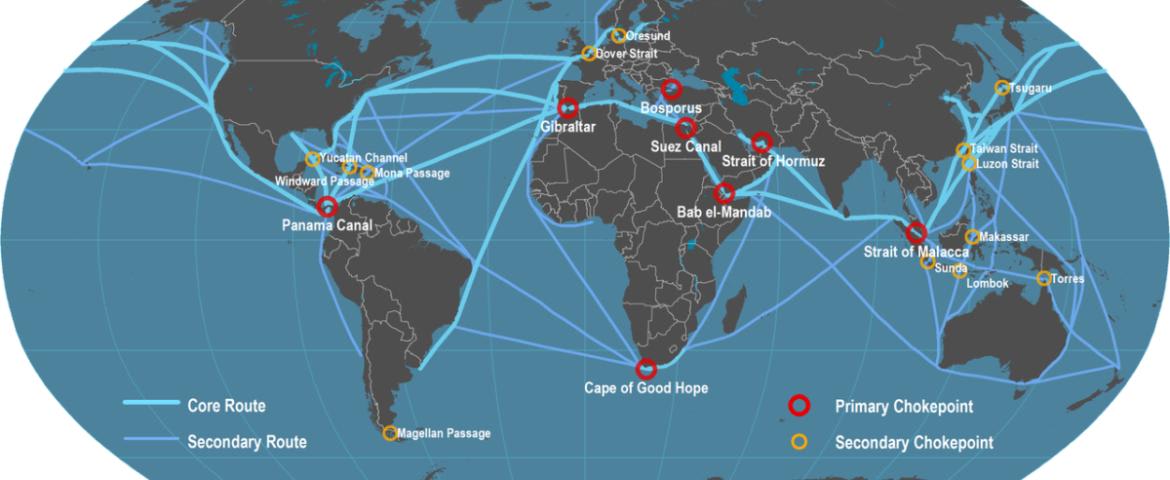
The IMF has warned that sanctions against large economies can create global spillover effects. When restrictions affect major exporters of oil, gas, food, or industrial materials, prices can rise worldwide. (IMF)
The sanctions on Russia highlighted this challenge.
Russia is a major exporter of energy, grain, fertilizers, and commodities. Restrictions on trade contributed to higher energy prices and increased uncertainty in global markets. (IMF)
For developing countries that depend on imports, these disruptions can be particularly painful.
Are Sanctions Always Successful?
Not necessarily.
Research from the Global Sanctions Database shows that sanctions have become more common over time, but their success rates remain mixed. Many governments adapt by finding alternative trade partners, creating new payment systems, or redirecting exports. (ScienceDirect)
Iran, North Korea, Venezuela, and Russia have all developed mechanisms to reduce the impact of sanctions to varying degrees.
This does not mean sanctions fail entirely.
Even when they do not force immediate policy changes, they can:
- Increase economic costs
- Slow technological development
- Limit access to capital
- Restrict military procurement
- Signal international opposition
In many cases, policymakers view sanctions as a long-term pressure strategy rather than a quick solution.
Why Sanctions Will Remain a Key Geopolitical Tool
Several trends suggest sanctions will continue to play a major role in global politics:
- Rising geopolitical competition
- US-China tensions
- Conflicts involving critical technologies
- Greater use of financial restrictions
- Expansion of export controls on strategic industries
Governments increasingly recognize that economic influence can sometimes achieve objectives that military force cannot.
The result is a world where finance, trade, and technology are becoming instruments of geopolitical competition.
Foreword
Sanctions have evolved from a diplomatic tool into one of the most important weapons of modern geopolitics.
The number of sanctions worldwide has surged in recent years, reflecting a broader shift toward economic statecraft. Countries are using access to markets, banking systems, technology, and trade networks as sources of leverage in international disputes. (LSEG)
Yet sanctions are not a perfect solution. They can create unintended economic consequences, encourage new alliances, and sometimes fail to achieve their political objectives.
What is clear, however, is that in today's interconnected world, economic power has become as important as military power. And sanctions are one of the clearest examples of how that power is exercised.
Related Reads
To understand the broader impact of sanctions on global politics, explore our articles on why countries want to reduce dependence on the dollar, the hidden economic impact of the Russia-Ukraine war, how geopolitics affects petrol prices, and whether the global economy is entering a new Cold War. Together, these developments reveal how economics has become one of the most important tools of geopolitical competition.