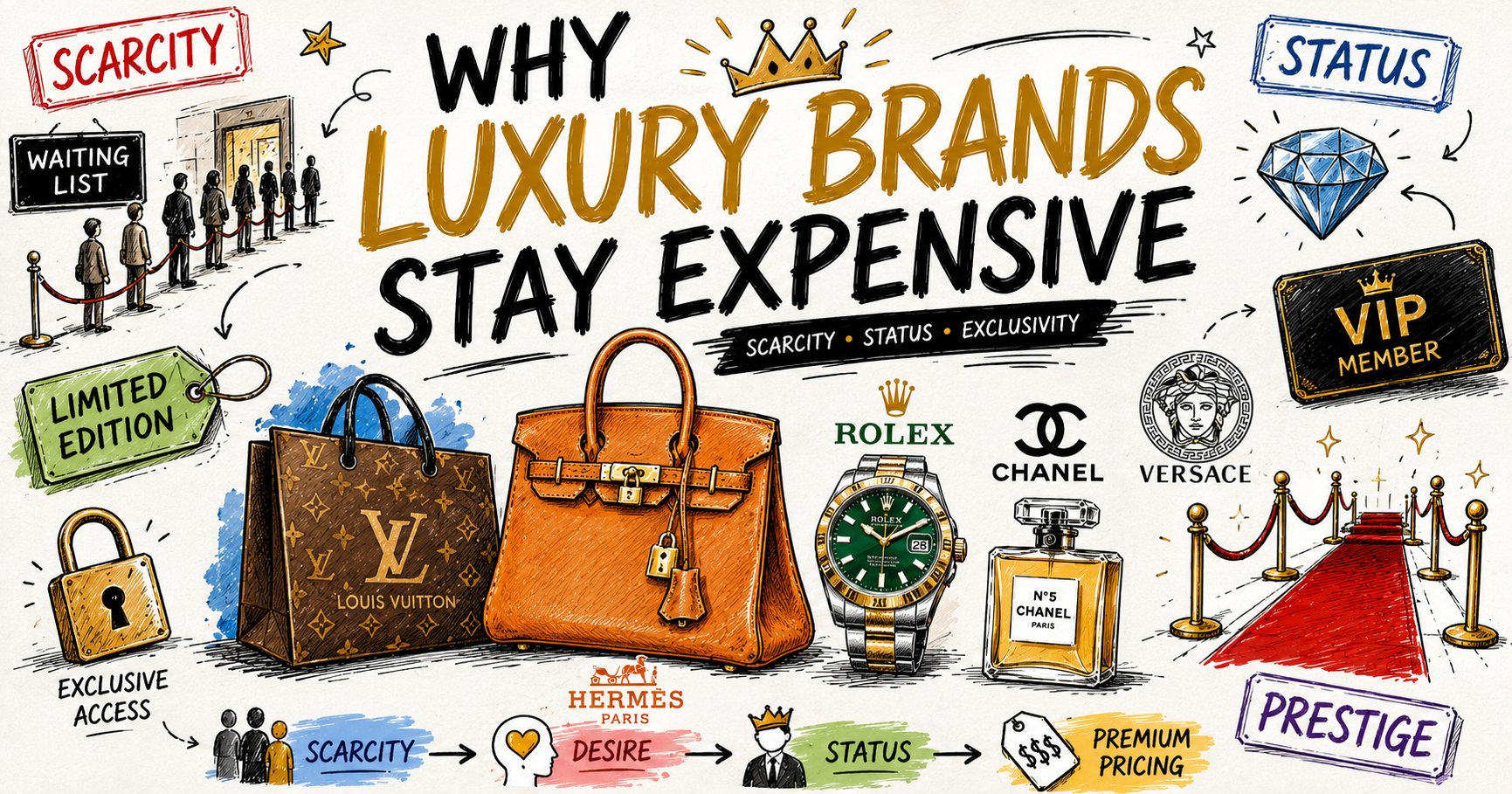

A handbag that costs thousands of dollars. A watch with a waiting list stretching months or even years. A designer jacket priced higher than a month's rent.
To many consumers, luxury prices can seem irrational. After all, a handbag still carries belongings, and a watch still tells time. So why do luxury brands remain expensive year after year, even during economic downturns?
The answer lies in a combination of psychology, business strategy, exclusivity, and branding. Luxury companies are not simply selling products—they are selling status, identity, craftsmanship, and scarcity.
Understanding why luxury brands stay expensive reveals fascinating insights into consumer behavior and one of the world's most profitable industries.
Luxury Brands Sell Status, Not Just Products
The first thing to understand is that luxury brands are rarely competing on functionality alone.
A luxury handbag and a regular handbag serve the same purpose. A luxury watch and a smartphone both tell the time.
What consumers often pay for is what the product communicates.
Luxury goods can signal:
- Success
- Wealth
- Achievement
- Exclusivity
- Personal identity
This concept is known as status signaling. People often use products to express who they are or who they aspire to become.
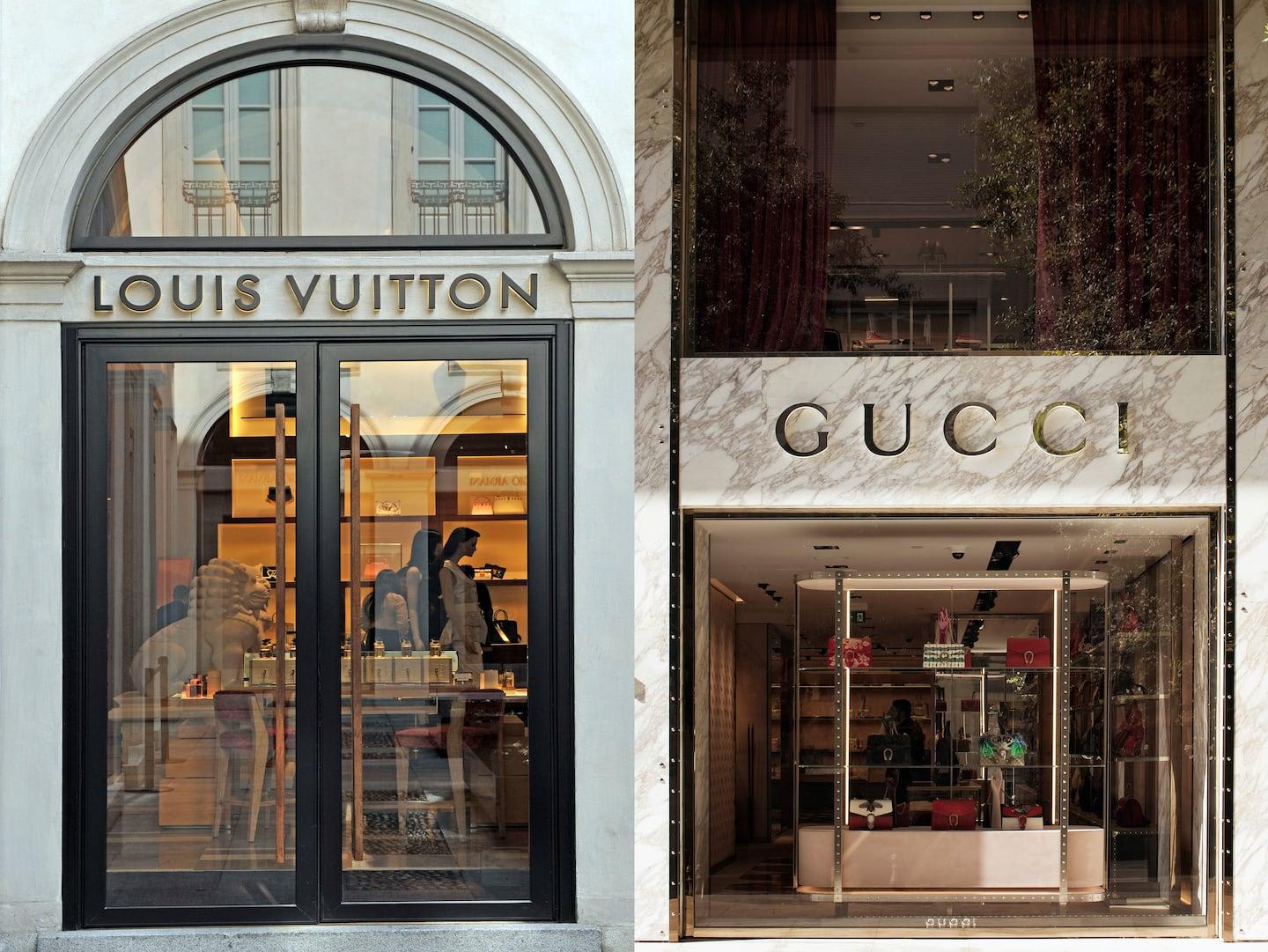
Brands such as Louis Vuitton, Rolex, Hermès, and Chanel have spent decades building reputations that consumers associate with prestige and success. The value of these products often comes as much from perception as from the physical item itself.
Scarcity Makes Luxury More Desirable
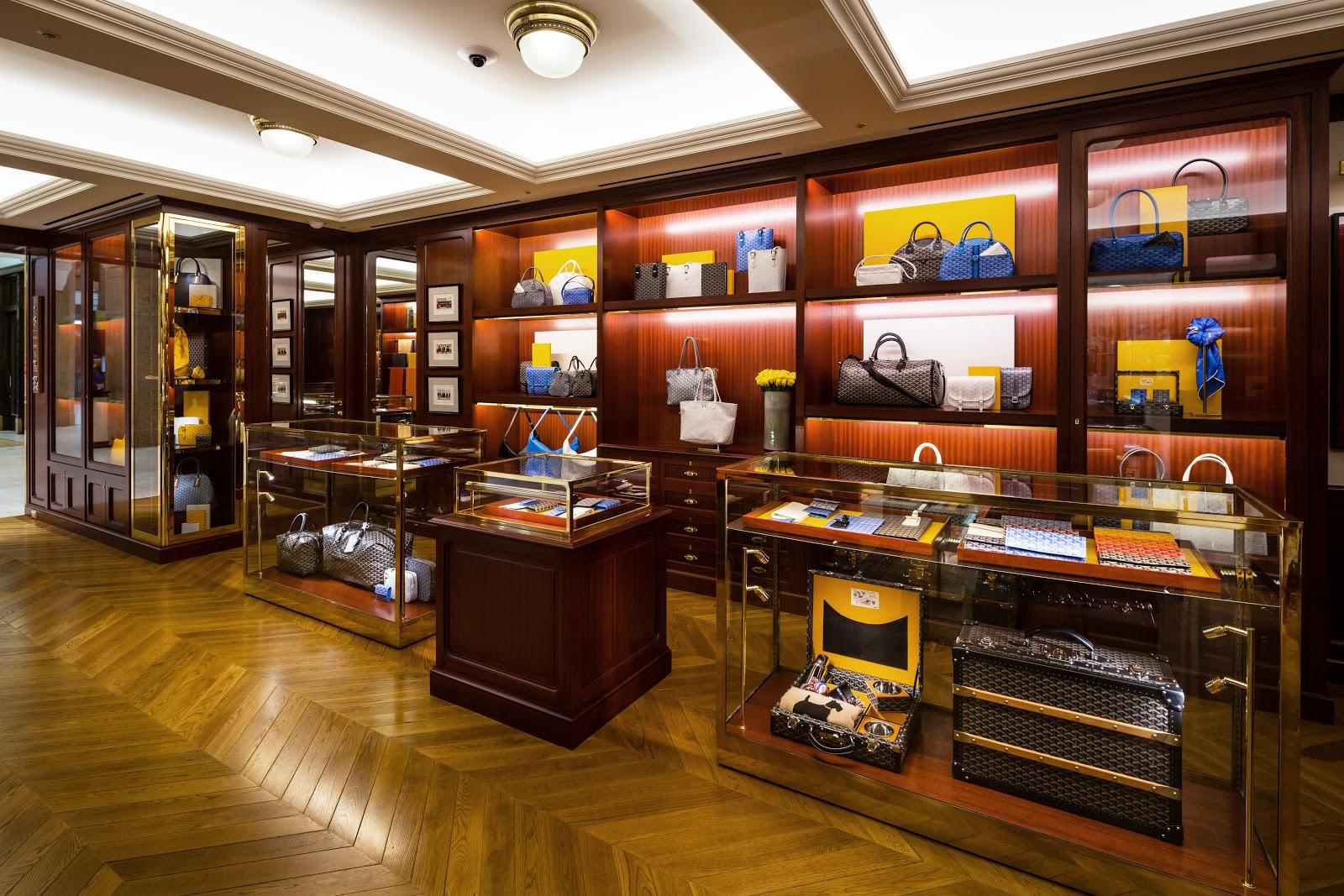
One of the most effective tools used by luxury brands is scarcity.
Unlike mass-market companies that try to maximize sales volume, luxury brands often limit supply.
Some luxury products have:
- Waiting lists
- Limited editions
- Restricted production runs
- Invitation-only purchasing opportunities
The famous Hermès Birkin bag is perhaps the best-known example. Buyers often cannot simply walk into a store and purchase one. Limited availability creates demand and reinforces exclusivity.
Psychologically, people tend to value things more when they are difficult to obtain.
Luxury brands understand this principle extremely well.
Why Luxury Brands Raise Prices Instead of Lowering Them
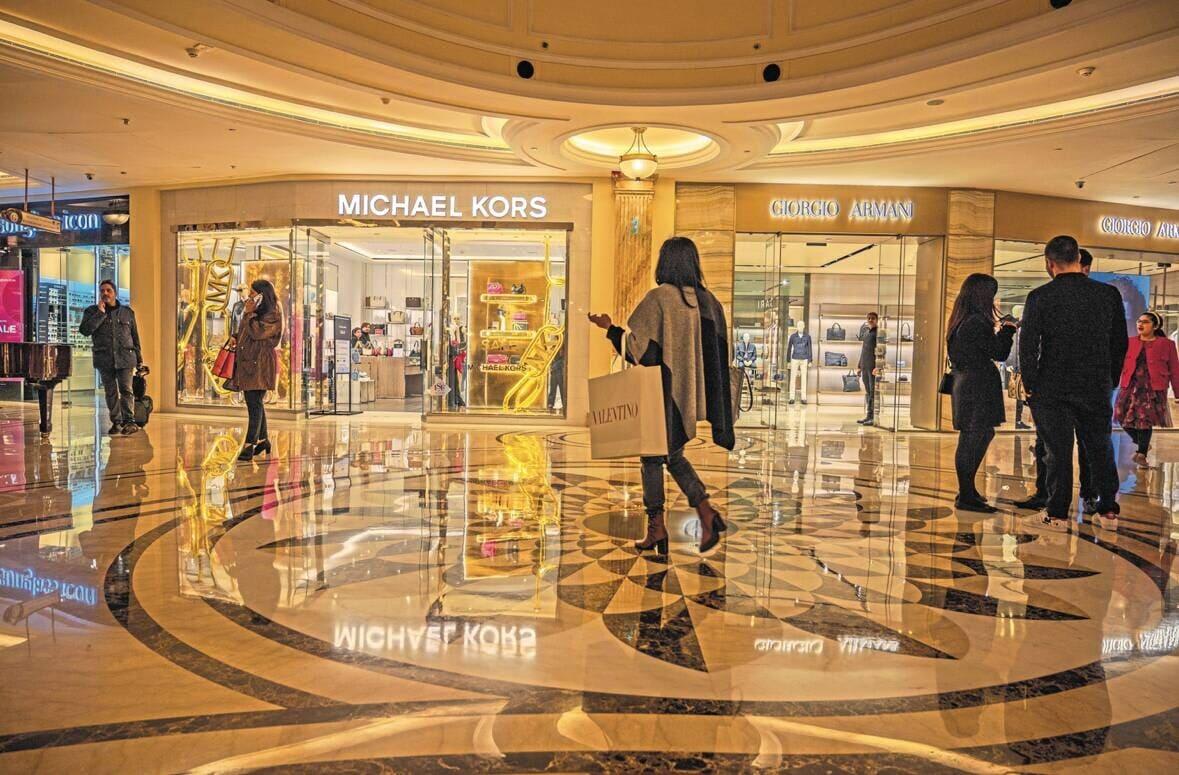
Most companies lower prices when demand weakens.
Luxury brands often do the opposite.
For luxury businesses, higher prices can actually strengthen demand because the price itself becomes part of the product's appeal.
Economists refer to certain luxury products as Veblen Goods—items that become more desirable because they are expensive.
In these cases, a higher price can signal:
- Exclusivity
- Prestige
- Superior quality
- Social status
If a luxury brand suddenly reduced its prices dramatically, it could damage the very image that attracts customers.
In the luxury world, price is often part of the marketing strategy.
The Psychology Behind Luxury Purchases

Luxury purchases are rarely based purely on logic.
Research in consumer psychology suggests that luxury goods often satisfy emotional needs, including:
Achievement
Many consumers purchase luxury products as rewards for personal or professional success.
Belonging
Certain brands can create a sense of membership within an exclusive group.
Confidence
Luxury products can influence how consumers feel about themselves.
Aspiration
People often buy luxury items that reflect the lifestyle they hope to achieve.
This emotional connection helps explain why luxury consumers may remain loyal to particular brands for years.
Why Luxury Brands Rarely Offer Discounts
Walk into a supermarket and you'll find promotions everywhere.
Luxury boutiques operate differently.
Frequent discounts can weaken a luxury brand's image because they make products feel less exclusive.
This is why many luxury companies avoid aggressive sales strategies.
In some cases, luxury brands have reportedly chosen to destroy unsold inventory rather than sell products at steep discounts.
While controversial, the logic is straightforward: protecting brand prestige may be more valuable than clearing excess stock.
Luxury businesses prioritize exclusivity over short-term sales.
The Business Model Behind Luxury Brands
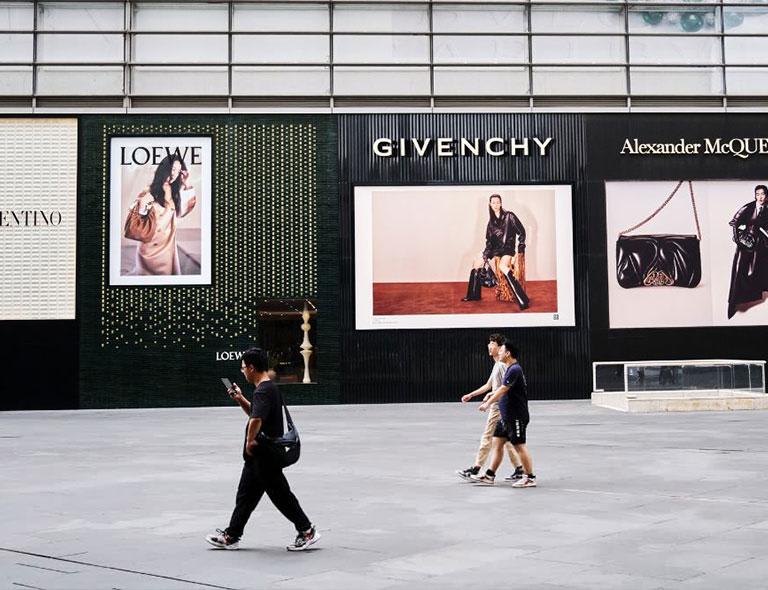
Luxury companies operate using a business model that differs significantly from mass-market retailers.
Rather than selling millions of units at low margins, luxury brands focus on:
- High margins
- Strong brand equity
- Limited production
- Long-term customer loyalty
The luxury industry has proven remarkably profitable.
For example, luxury giant LVMH generated over €86 billion in revenue in 2023, making it one of the most successful consumer goods companies in the world.
The company owns many well-known brands across fashion, jewelry, cosmetics, and spirits.
This demonstrates an important reality: luxury is often more about brand value than manufacturing volume.
The Rise of Affordable Luxury
Not everyone can afford a Rolex or a Birkin bag.
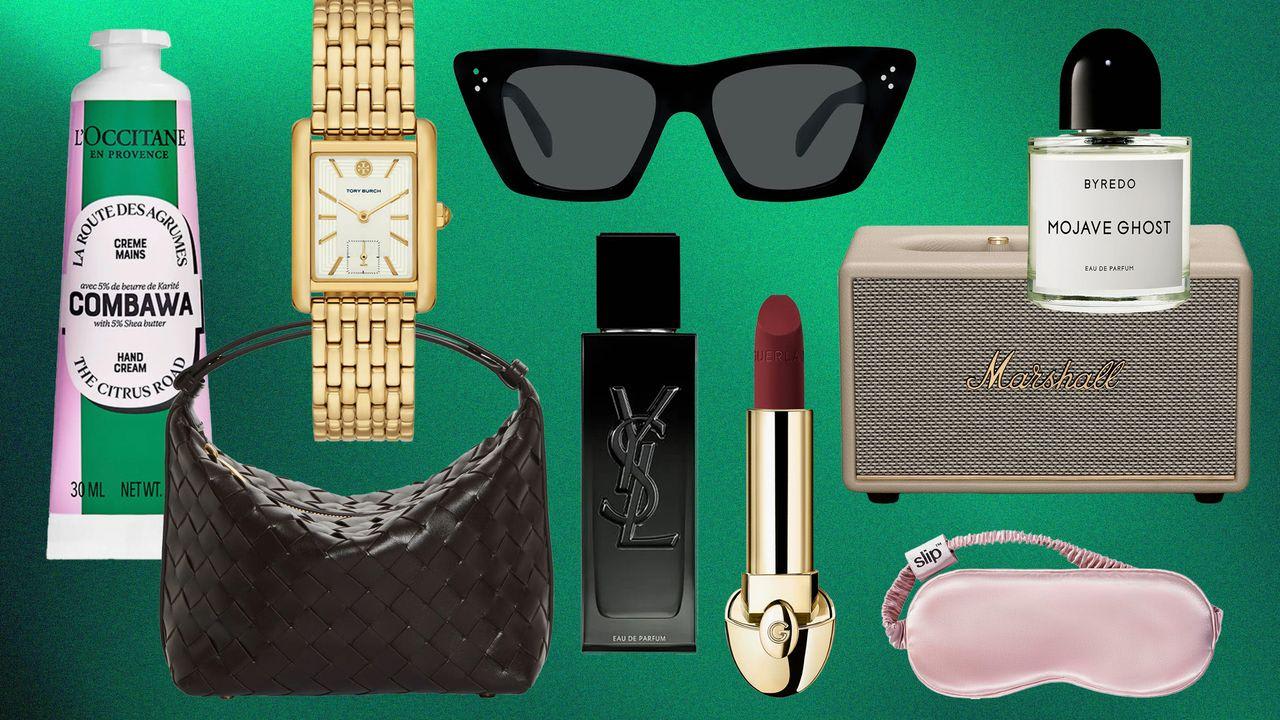
Recognizing this, many companies have introduced what is often called "affordable luxury."
Brands such as Coach, Michael Kors, and Kate Spade offer products that provide elements of luxury branding at lower price points.
Similarly, luxury fashion houses often sell:
- Perfumes
- Sunglasses
- Cosmetics
- Accessories
These products allow consumers to engage with luxury brands without spending thousands of dollars.
For many people, these items serve as an entry point into the luxury market.
Are Luxury Products Actually Worth the Money?
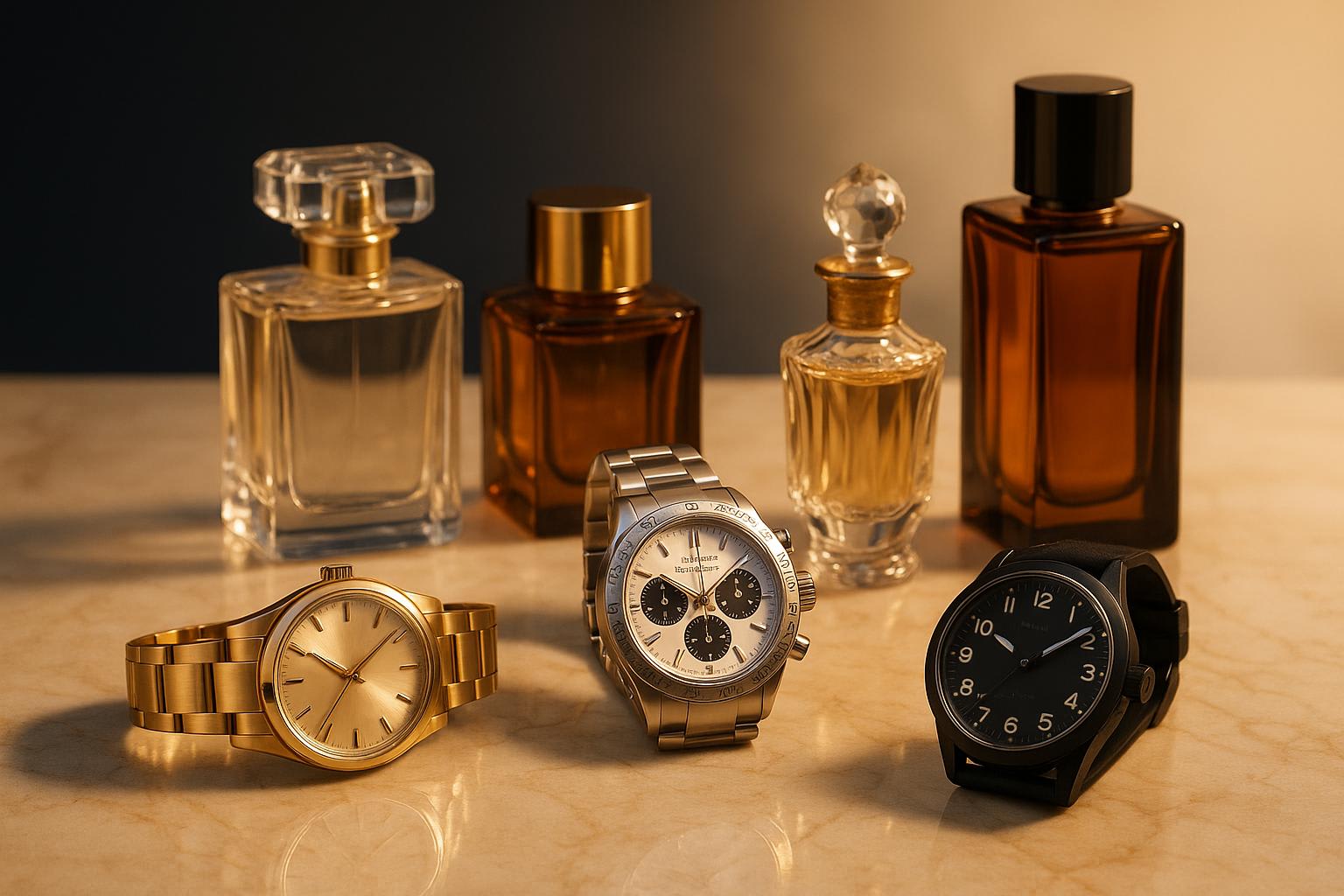
There is no universal answer.
Some luxury products genuinely offer:
- Exceptional craftsmanship
- Premium materials
- Superior durability
- Heritage manufacturing techniques
Others derive a large portion of their value from branding and exclusivity.
When consumers purchase luxury goods, they are often paying for both tangible and intangible benefits.
The true value depends on what the buyer is seeking.
If someone values craftsmanship and heritage, the premium may feel justified.
If functionality is the only concern, less expensive alternatives often perform just as well.
Recommended Reading for Luxury Enthusiasts
If you're interested in understanding the luxury industry further, consider exploring:
- The Luxury Strategy by Jean-Noël Kapferer and Vincent Bastien
- Deluxe: How Luxury Lost Its Luster by Dana Thomas
- The Psychology of Money by Morgan Housel
- The 48 Laws of Power by Robert Greene
These books offer deeper insights into consumer behavior, branding, exclusivity, and the business strategies behind premium products.
Conclusion
Luxury brands stay expensive because their value extends far beyond manufacturing costs.
They sell exclusivity, identity, aspiration, craftsmanship, and status. Scarcity, premium pricing, and strong brand storytelling allow luxury companies to maintain desirability even when economic conditions change.
In many ways, the price is part of the product.
Lower prices might increase short-term sales, but they could also weaken the exclusivity that makes luxury brands attractive in the first place.
Ultimately, luxury is not just about what a product does. It is about what the product represents—and that is why luxury brands continue to command premium prices around the world.