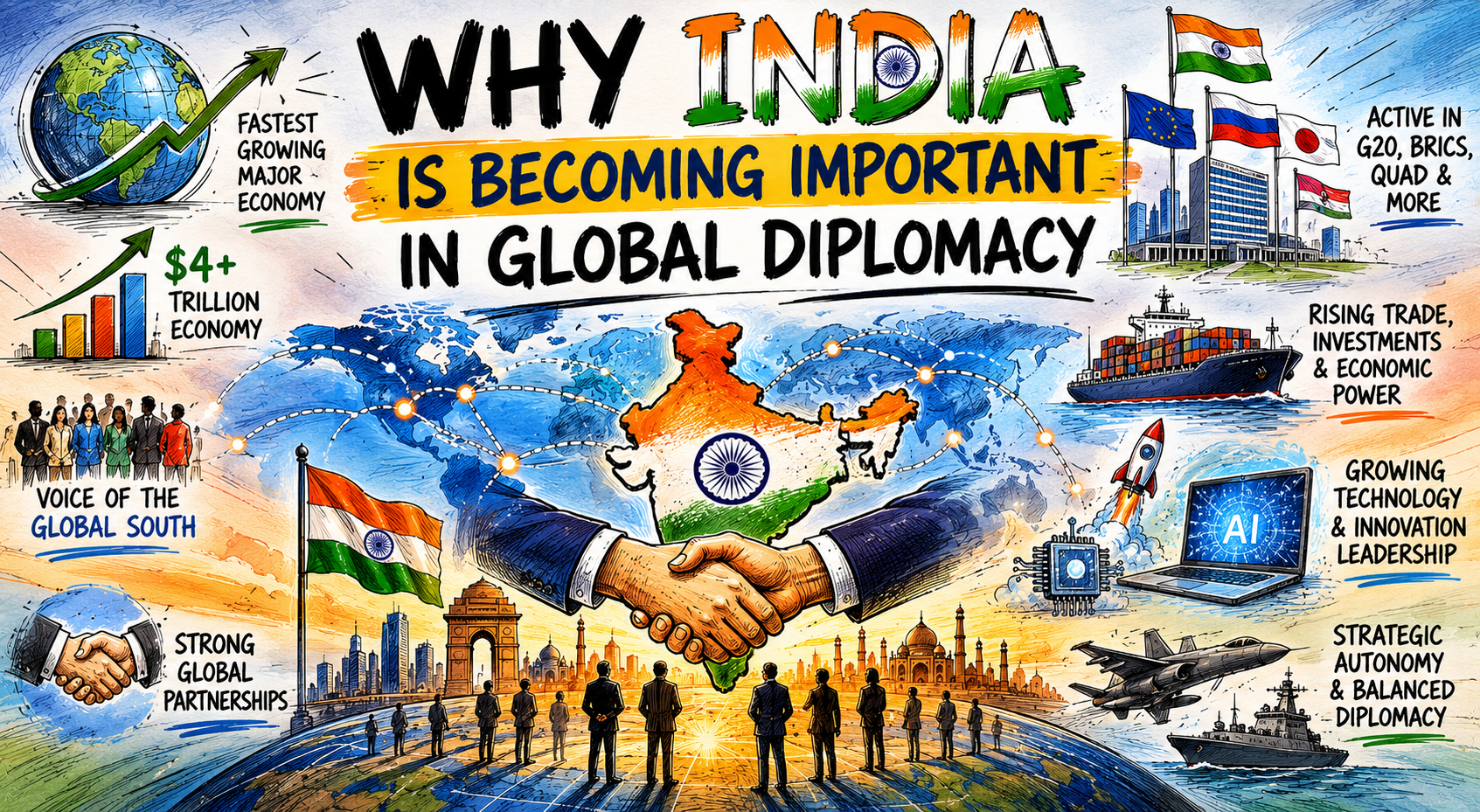

For decades, global diplomacy was largely shaped by a small group of powerful countries.
The United States, Russia, China, Britain, France, and a few major Western economies dominated most international discussions.
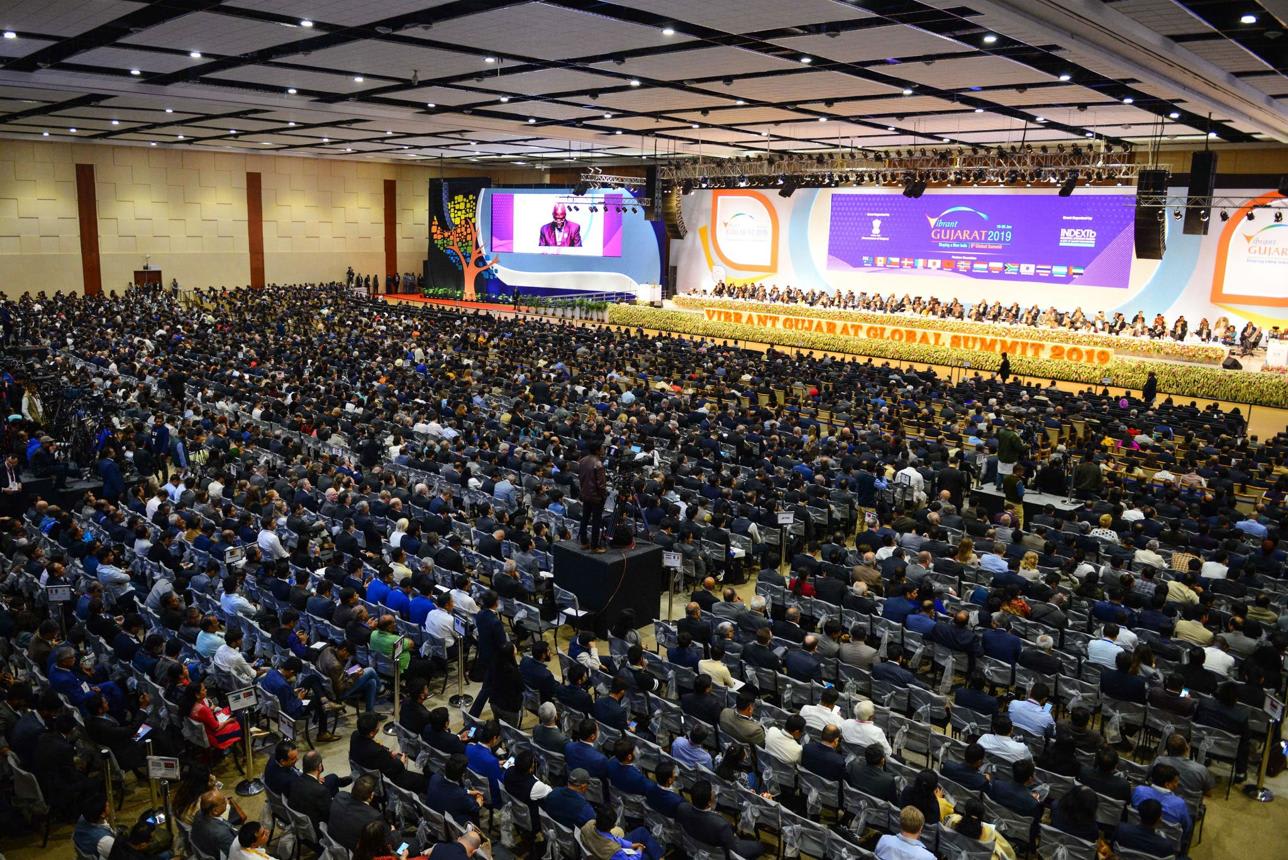
Today, that equation is changing.
And one country that is steadily gaining influence in global diplomacy is India.
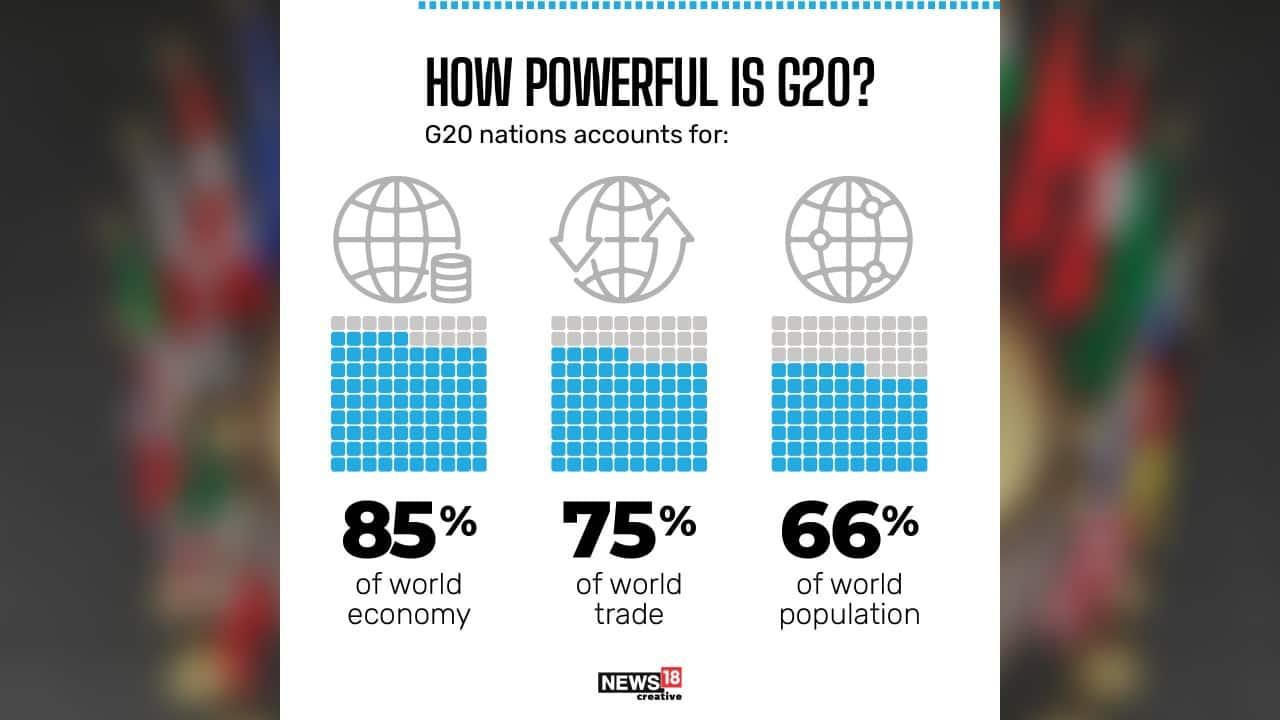
From the G20 and BRICS to the Indo-Pacific and the Global South, India is increasingly being seen as a country that can influence conversations on trade, security, technology, climate policy, and global governance.
What makes India’s rise particularly interesting is that its growing diplomatic importance is not driven only by military power.
It is being powered by economics, strategic geography, population strength, technology growth, and a unique foreign policy approach.
India’s Economy Is Giving It Global Influence
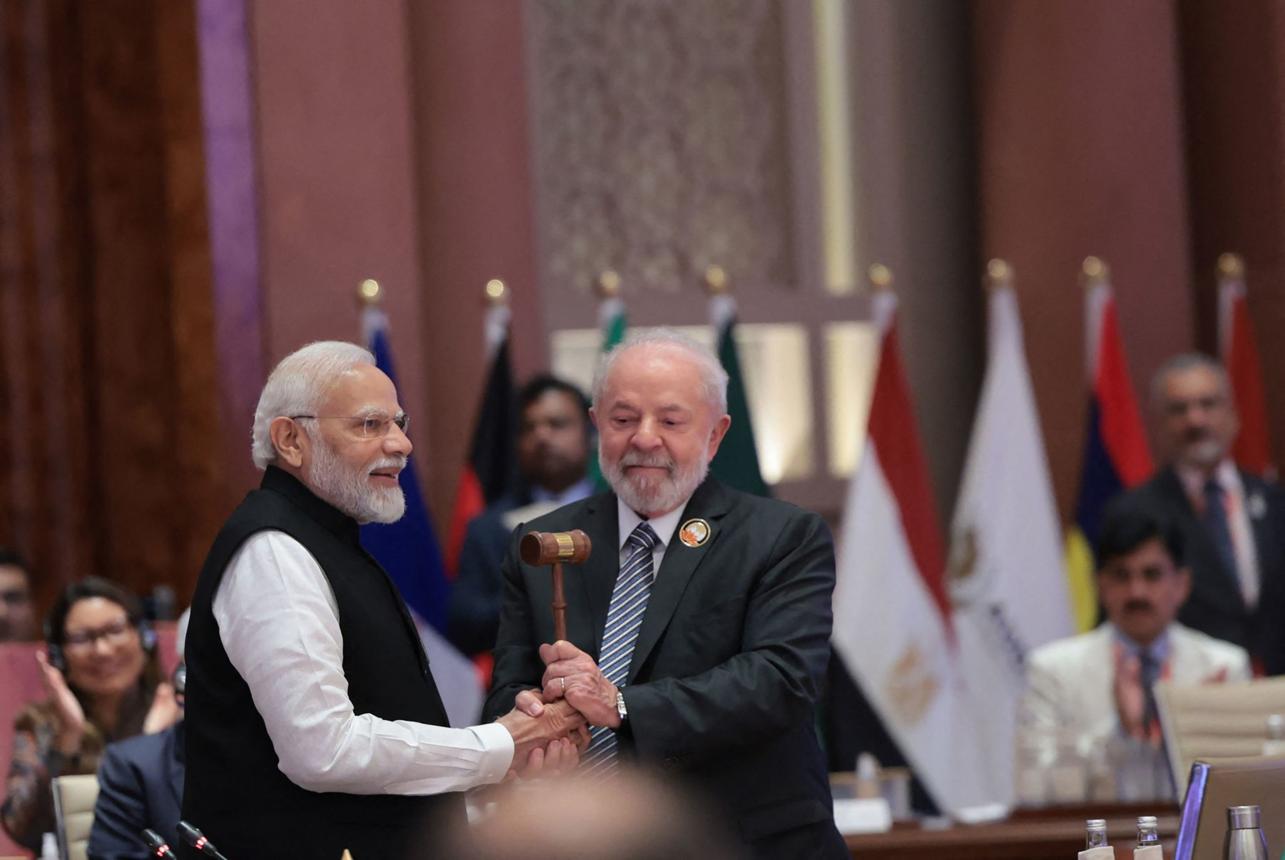
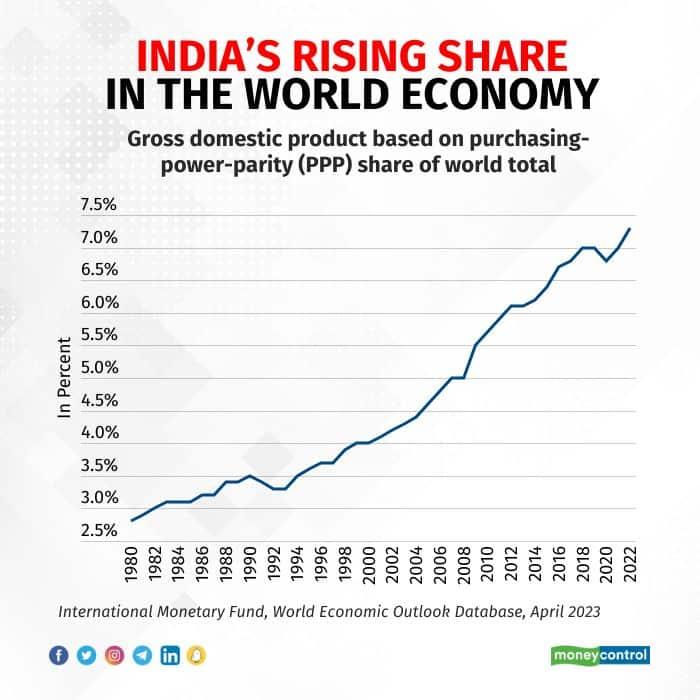
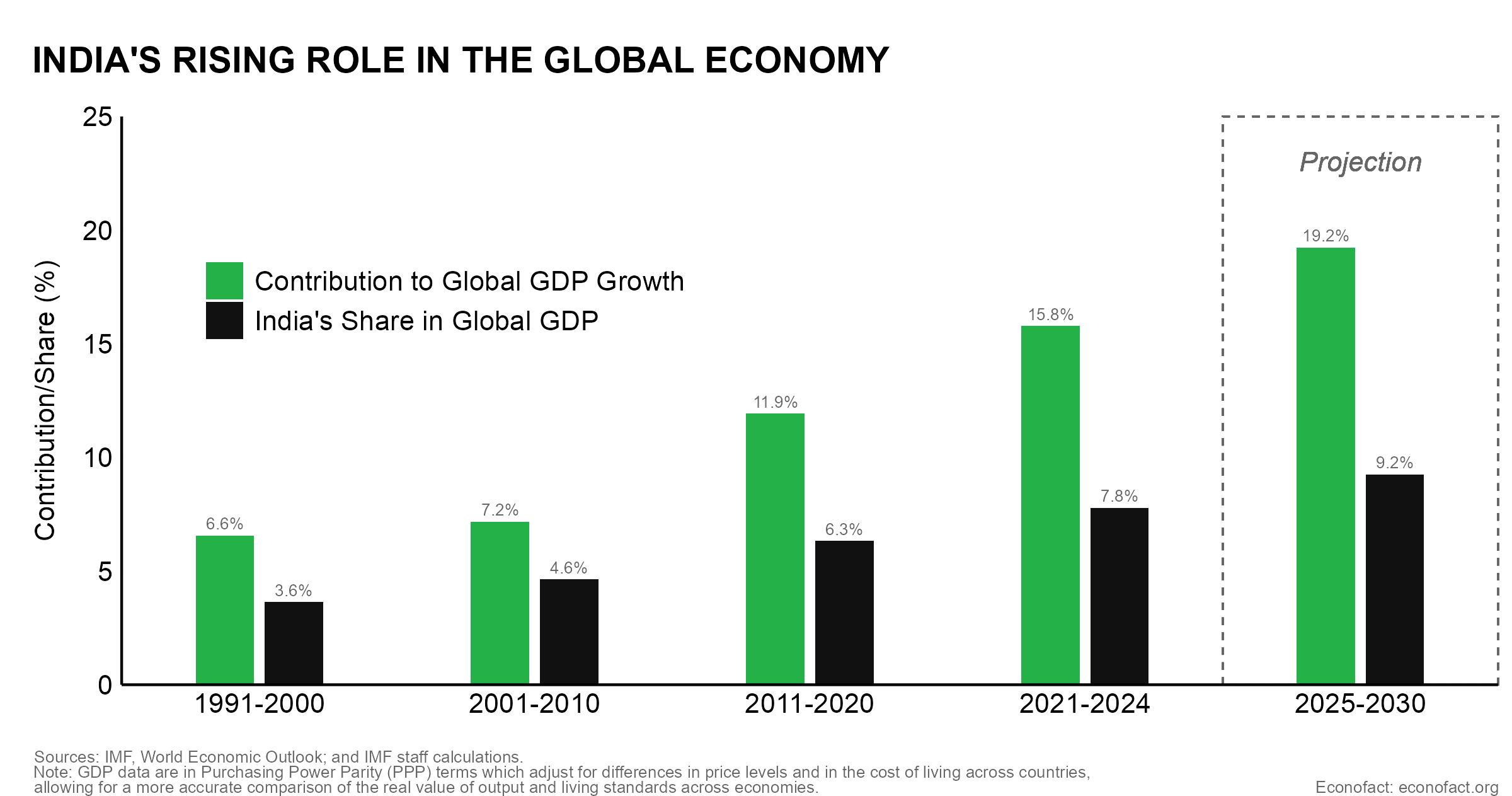
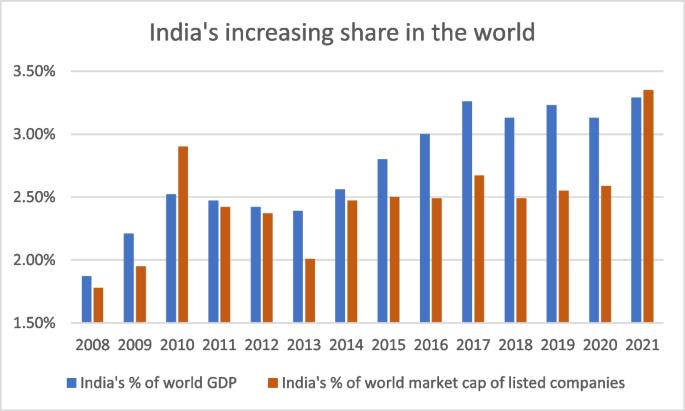
One of the biggest reasons India matters more today is economic growth.
According to IMF-based estimates, India’s economy is projected to cross $4.1 trillion in nominal GDP, making it the world’s fifth-largest economy. (Statistics Times)
India is also among the fastest-growing major economies in the world.
Government-linked estimates project growth above 7% despite global economic uncertainty. (India Brand Equity Foundation)
Economic size matters in diplomacy because countries with growing markets become important trade and investment partners.
Today, global companies increasingly view India as:
- a manufacturing destination
- a technology hub
- a major consumer market
- a strategic alternative to overdependence on China
As India’s economy grows, its diplomatic influence naturally expands.
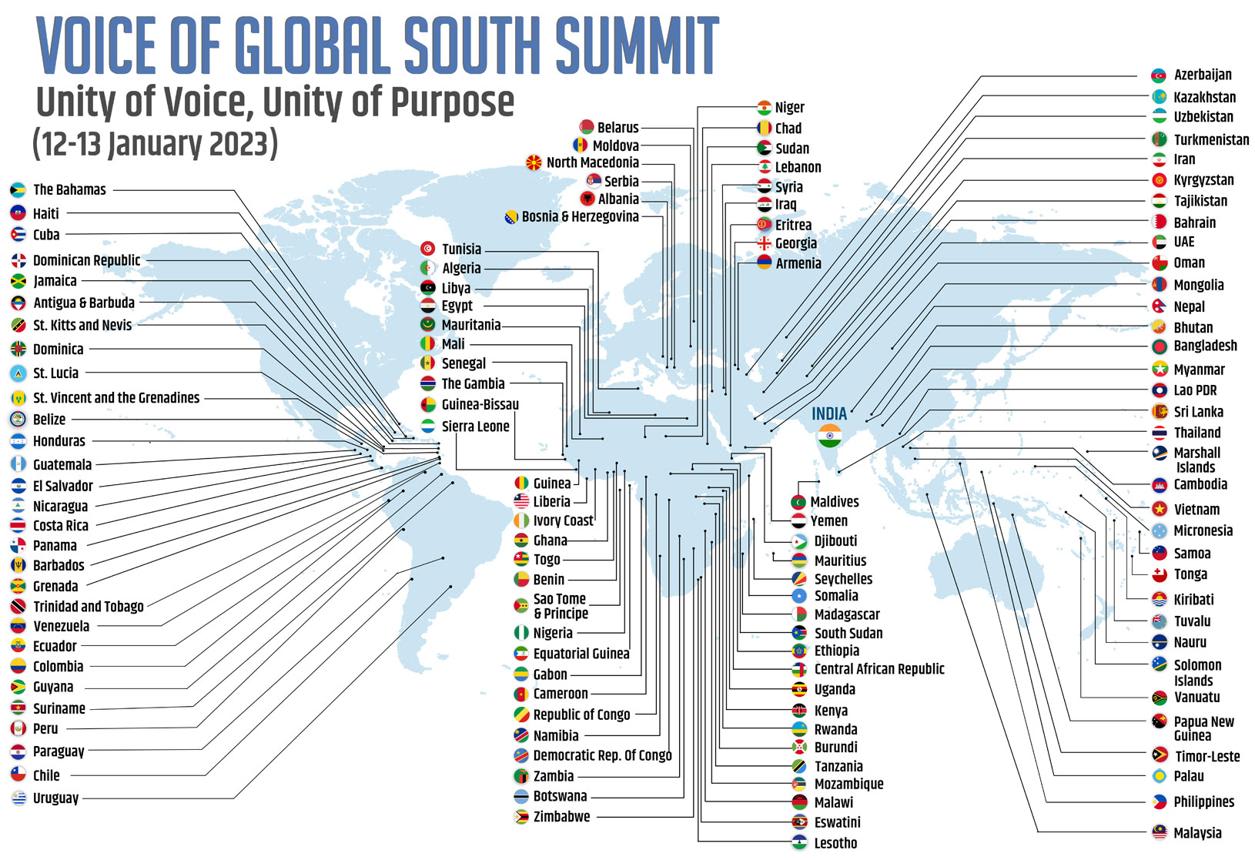
India Is Becoming a Key Voice of the Global South
One area where India has gained significant diplomatic visibility is its role as a representative of developing nations.
Indian leaders increasingly position the country as a voice for the “Global South” -a term often used for emerging and developing economies across Asia, Africa, and Latin America.
During international summits, India frequently highlights issues such as:
- food security
- climate finance
- debt concerns
- fair trade access
- technology inclusion
Even at G7 discussions, Indian officials have argued that India helps bring Global South concerns into conversations often dominated by wealthier economies. (Reddit)
This positioning allows India to build relationships across multiple regions simultaneously.
India Maintains Relations With Competing Powers
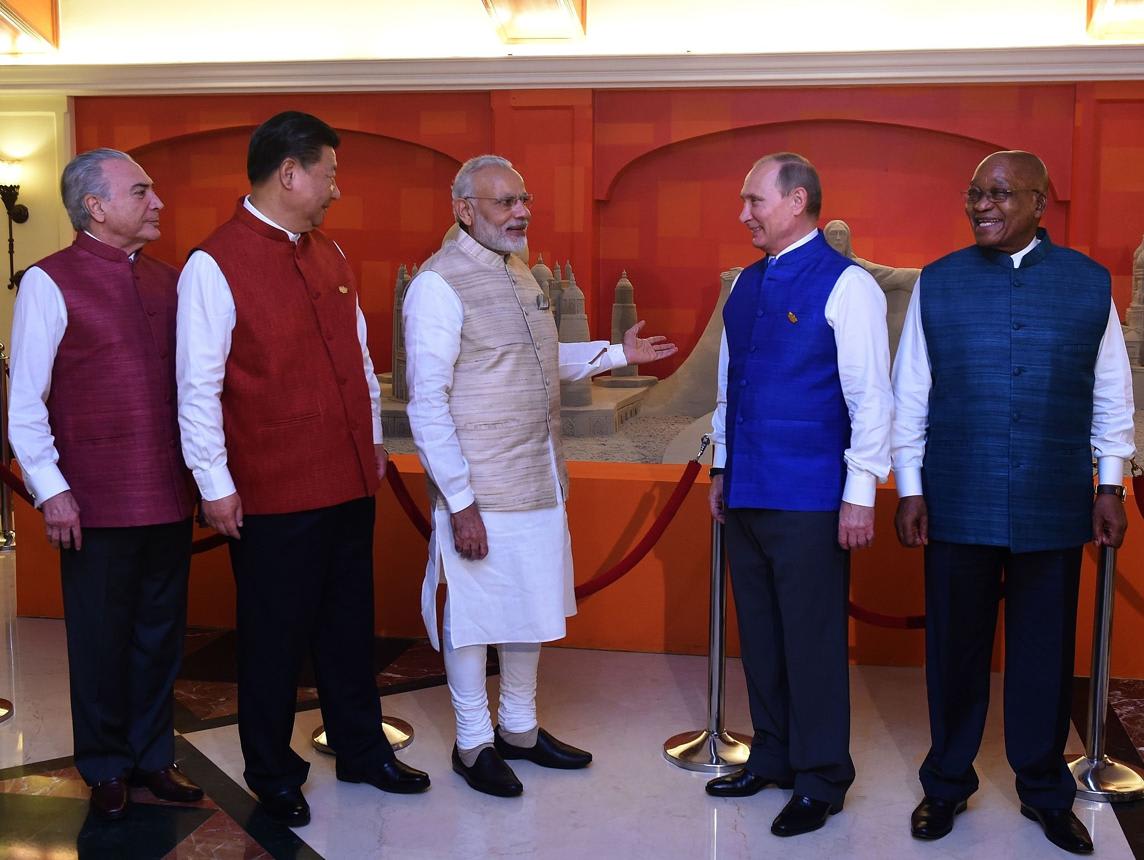
One reason many countries view India as a valuable diplomatic player is its ability to engage with different global blocs at the same time.
For example:
- India works closely with the United States
- It is a member of BRICS
- It participates in the Quad alongside the US, Japan, and Australia
- It maintains relations with Russia
- It continues expanding partnerships in Europe, the Middle East, and Africa
This flexible diplomatic strategy gives India unusual geopolitical space.
Unlike some countries that are firmly aligned with one bloc, India often tries to maintain strategic autonomy.
The Russia-Ukraine war highlighted this approach.
While many Western countries imposed sweeping sanctions on Russia, India continued balancing energy security, economic interests, and diplomatic relations. This allowed New Delhi to maintain communication with multiple sides during a highly polarized conflict.
Trade Is Becoming a Diplomatic Tool
India’s growing trade network is strengthening its global influence.
According to recent trade estimates:
- India’s exports of goods and services crossed $860 billion in FY 2025-26
- Services exports alone exceeded $418 billion (India Briefing)
India’s IT, consulting, finance, and digital services industries now connect it deeply with global economies.
Trade agreements with countries across Asia, the Middle East, Europe, and Australia have also expanded India’s economic footprint.
In modern diplomacy, trade relationships often create political influence.
Countries increasingly see India not only as a diplomatic partner but also as an economic opportunity.
The China Factor Is Increasing India’s Importance
Another major reason behind India’s growing diplomatic relevance is China’s rise.
As tensions increase between:
- the United States and China
- China and several Indo-Pacific countries
many governments are looking for alternative partnerships.
India benefits from this geopolitical shift.
Several countries view India as:
- a democratic counterbalance in Asia
- a major regional power
- a strategic manufacturing destination
- a long-term economic partner
Global supply chains are gradually diversifying, and India is becoming an important part of that transition.
India’s Population Creates Strategic Influence
India is now the world’s most populous country.
A population of over 1.4 billion people gives India enormous long-term significance.
This matters diplomatically because:
- it creates a massive labor force
- expands consumer demand
- increases economic potential
- strengthens geopolitical weight
Countries planning future trade, investment, technology partnerships, and energy cooperation cannot ignore a market of that scale.
Population alone does not create power.
But when combined with economic growth, it becomes a major diplomatic asset.
BRICS Is Giving India a Larger Global Role
BRICS has become increasingly important in discussions about the future global order.
Recent figures show India’s trade with BRICS countries reached approximately $416 billion in 2025. (The Times of India)
Meanwhile, BRICS+ countries now account for over 42% of global GDP in purchasing power parity terms and more than half of the world’s population. (EY)
As one of BRICS’ most influential members, India plays a major role in debates around:
- global trade reform
- development financing
- de-dollarization discussions
- emerging-market cooperation
This increases India’s visibility far beyond South Asia.
Technology Is Becoming a Diplomatic Advantage
India’s growing technology sector is also strengthening its international position.
The country has become:
- a major software exporter
- a digital services leader
- a startup ecosystem hub
Programs focused on digital infrastructure have attracted attention globally.
Technology diplomacy is becoming increasingly important because future geopolitical competition involves:
- AI
- semiconductors
- cybersecurity
- digital governance
Countries that play significant roles in these sectors gain diplomatic influence.
India is steadily moving in that direction.
The Middle East, Europe, and Asia All Want Stronger Ties With India
A major sign of diplomatic importance is simple:
More countries want partnerships with you.
Today, India is expanding relationships simultaneously with:
- Gulf countries
- European economies
- Southeast Asia
- African nations
- Indo-Pacific partners
Energy cooperation, infrastructure investment, technology partnerships, and trade agreements are all helping deepen these connections.
This broad network reduces dependence on any single alliance and increases India’s strategic flexibility.
Challenges Still Remain
India’s rise is significant, but challenges remain.
The country still faces:
- infrastructure gaps
- income inequality
- trade deficits
- manufacturing competition
- regional security concerns
Some analysts also argue that India must strengthen trade integration further to fully maximize its diplomatic influence. (Reddit)
Economic growth alone does not automatically create geopolitical leadership.
Sustained reforms and stronger global economic integration will remain important.
Why the World Is Paying More Attention to India
The reason India is becoming important in global diplomacy is not one single factor.
It is the combination of:
- rapid economic growth
- strategic geography
- population scale
- technology expansion
- diplomatic flexibility
- growing international partnerships
At a time when global politics is becoming more fragmented, countries increasingly value partners that can engage across different regions and power blocs.
India is positioning itself as exactly that kind of country.
And as the balance of global power continues shifting, India’s role in international diplomacy is likely to become even more important in the years ahead.
(India Brand Equity Foundation)
While the United States remains the most influential player in global politics, emerging powers like India are increasingly shaping international discussions on trade, technology, and diplomacy.