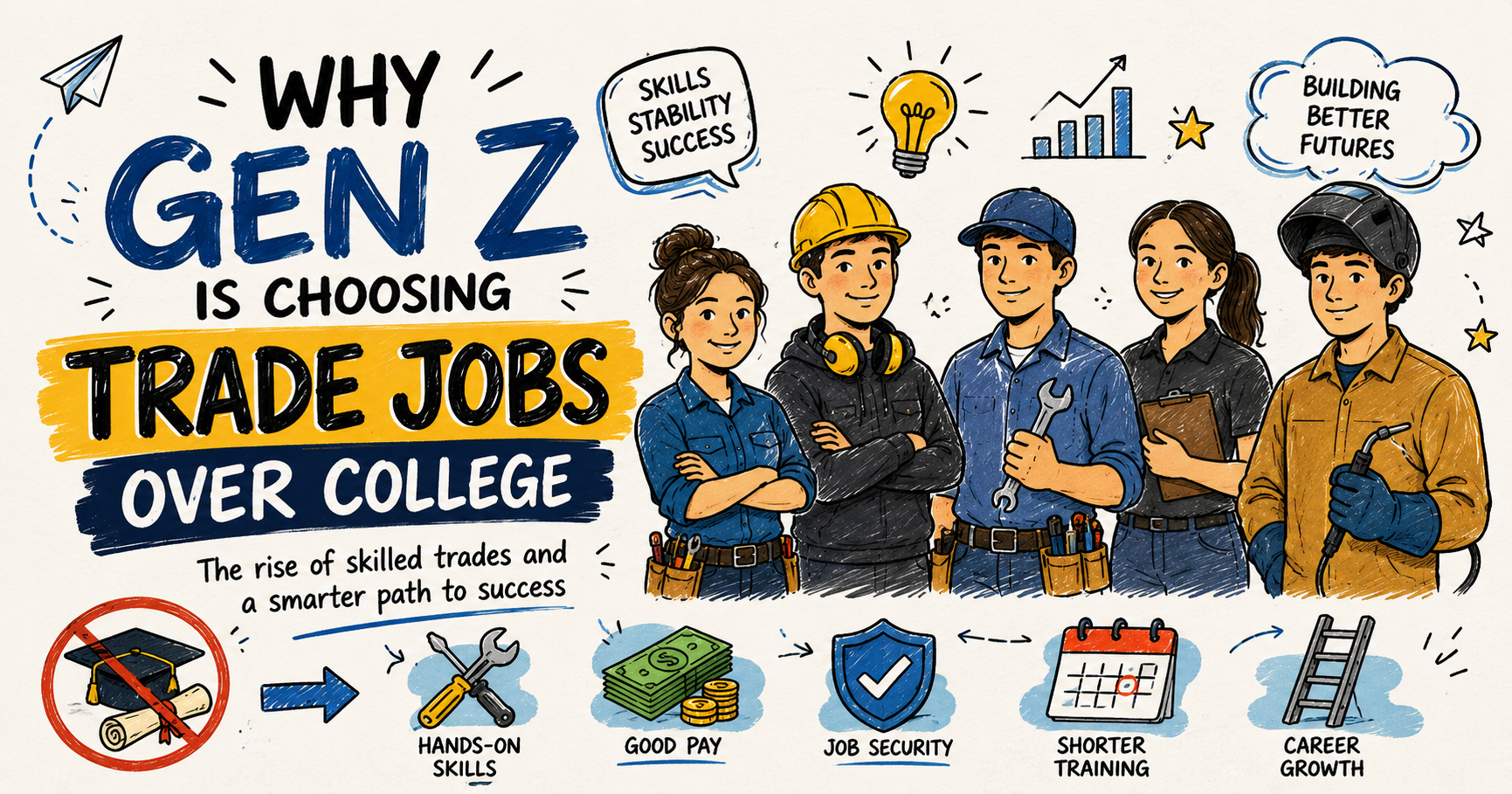

For decades, earning a four-year college degree was considered the standard path to a successful career. However, a growing number of Gen Z workers are taking a different route. Instead of spending years in traditional higher education, many young people are turning to trade jobs that offer practical skills, faster career entry, and competitive salaries.
This shift has become one of the most discussed workforce trends in recent years. As concerns about student debt, job market uncertainty, and the impact of artificial intelligence continue to grow, skilled trades are attracting a new generation of workers.
What Are Trade Jobs?
Trade jobs are careers that require specialized skills and hands-on training rather than a traditional bachelor's degree. Most professionals enter these fields through vocational schools, apprenticeships, certification programs, or on-the-job training.
Common examples include:
- Electricians
- Plumbers
- Welders
- HVAC technicians
- Carpenters
- Construction managers
- Automotive technicians
- Industrial maintenance specialists
Many of these professions are essential to everyday life and remain in high demand across industries.
Why Gen Z Is Becoming Interested in Trade Careers
Several factors are driving this trend.
1. Lower Education Costs
College tuition continues to rise in many parts of the world. Trade schools and apprenticeship programs often cost significantly less and can be completed in a shorter timeframe.
For young adults who want to avoid large student loans, trade careers can offer a more affordable path to employment.
2. Faster Entry Into the Workforce
Many trade programs can be completed in one to two years. Some apprenticeships even allow participants to earn money while they learn.
Instead of spending four years in college, workers can begin building experience and income much earlier.
3. Strong Demand for Skilled Workers
Many countries are experiencing shortages of skilled trade professionals. As older workers retire, employers are actively searching for qualified replacements.
This demand often creates strong job security and opportunities for career growth.
4. AI and Automation Concerns
Artificial intelligence is transforming many office-based professions. While technology is affecting every industry, jobs that require physical work, problem-solving, and on-site expertise remain difficult to automate.
As a result, many young workers see skilled trades as more resilient career options.
High-Paying Trade Jobs to Consider
1. Electrician
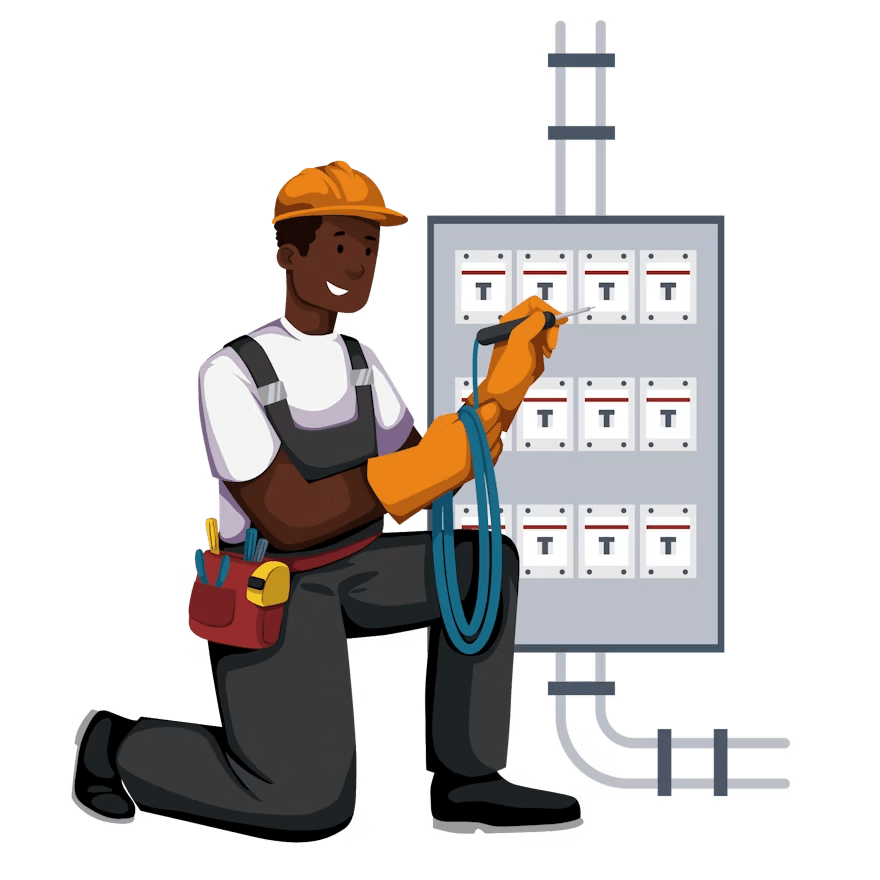
Electricians install, maintain, and repair electrical systems in homes, businesses, and industrial facilities.
Why it's popular:
- Consistent demand
- Strong earning potential
- Opportunities for self-employment
2. HVAC Technician

HVAC professionals work on heating, ventilation, and air conditioning systems.
Why it's popular:
- Growing demand
- Technical skill development
- Year-round work opportunities
3. Welder

Welders join and repair metal structures used in construction, manufacturing, and transportation.
Why it's popular:
- Specialized skill set
- Strong industrial demand
- Opportunities in multiple sectors
4. Plumber

Plumbers install and repair water, drainage, and piping systems.
Why it's popular:
- Essential service
- High job stability
- Potential to start a business
5. Construction Manager

Construction managers oversee projects, teams, budgets, and timelines.
Why it's popular:
- Leadership opportunities
- High earning potential
- Growing infrastructure investments
Trade Jobs vs College Degrees
Both paths have advantages, but they serve different goals.
FactorTrade JobsCollege DegreeTraining TimeOften 1-2 yearsTypically 3-4 yearsEducation CostUsually lowerOften higherEarly EarningsFasterDelayed until graduationPractical SkillsHighVaries by fieldCareer FlexibilityModerateOften broader
The best choice depends on individual interests, career goals, and financial circumstances.
Essential Tools Many Trade Professionals Use
Regardless of the trade, professionals often rely on quality tools to improve safety and productivity.
Examples include:
- Digital multimeters
- Tool backpacks
- Safety gloves
- Protective eyewear
- Measuring tools
- Work boots
- Voltage testers
- Cordless power tools
For beginners entering a trade career, investing in reliable equipment can make daily work more efficient and safer.
Is a Trade Career Right for You?
Trade jobs are not the right fit for everyone, but they offer meaningful opportunities for people who enjoy practical, hands-on work.
If you're looking for a career path that can provide faster workforce entry, lower education costs, and strong demand, skilled trades may be worth exploring.
As workforce trends continue to evolve, it's clear that Gen Z is helping redefine what career success looks like. For many young workers, the future may not start in a lecture hall—it may start with learning a valuable skill that the world will always need.