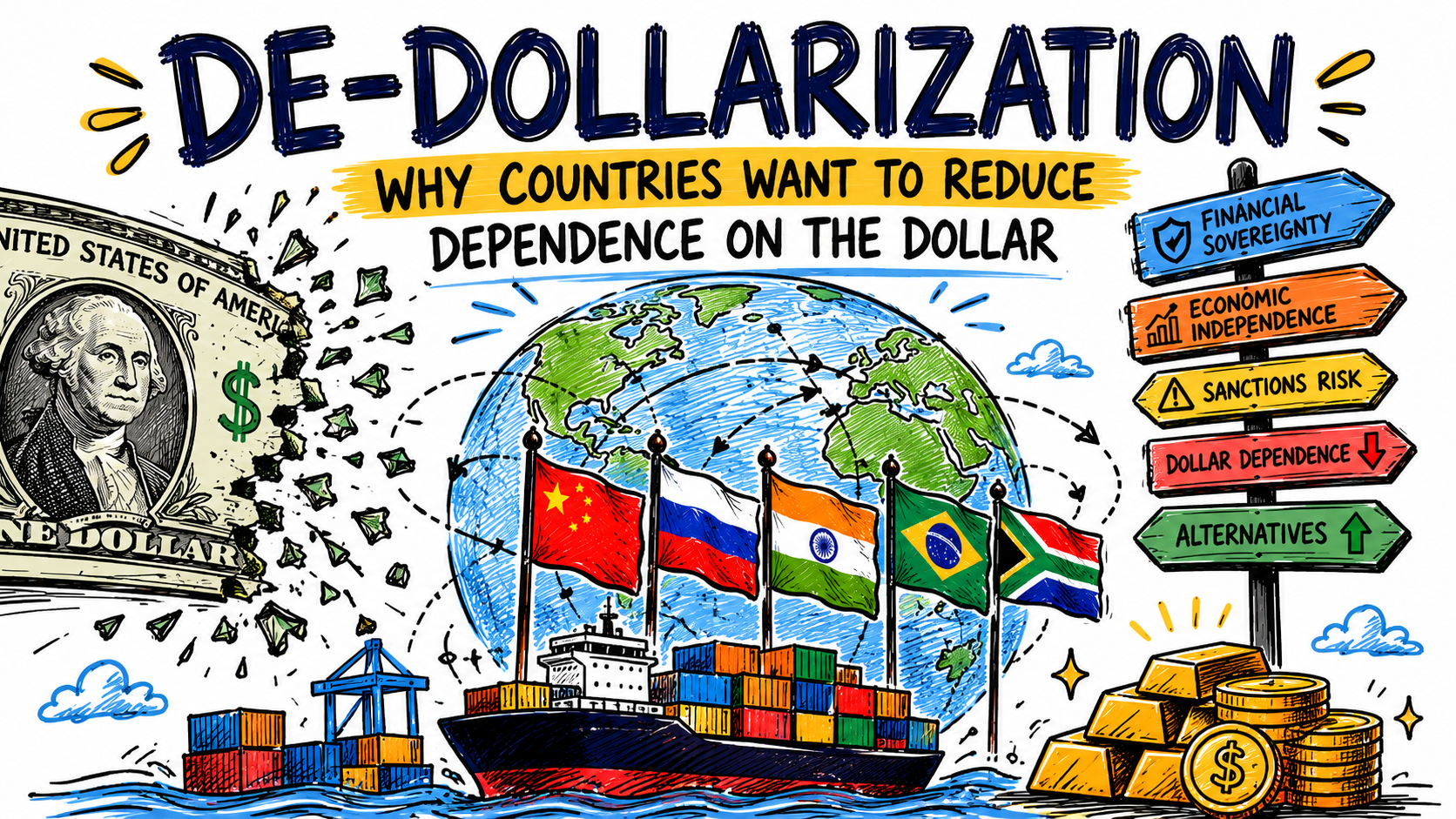

For decades, the U.S. dollar has been the world's most important currency.
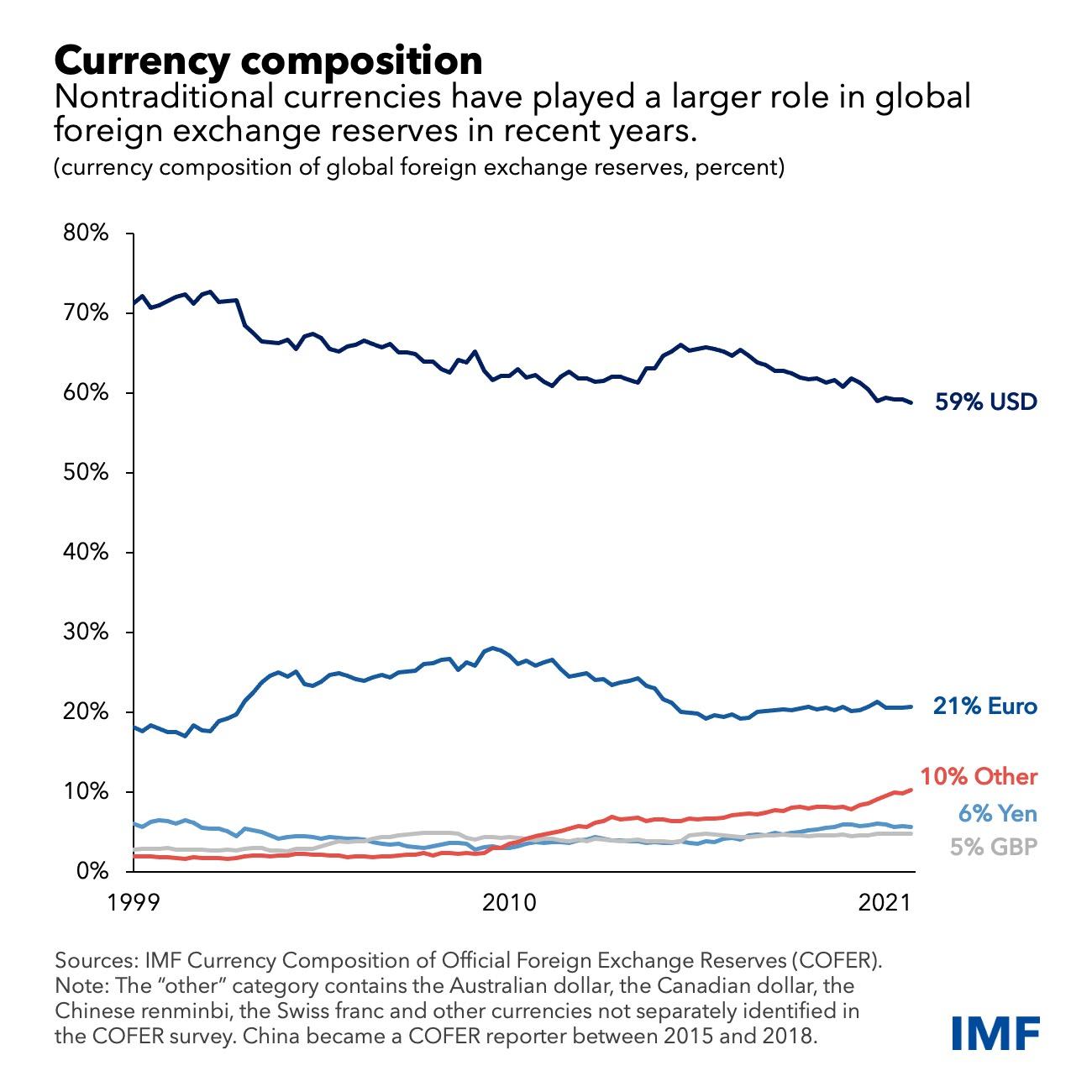
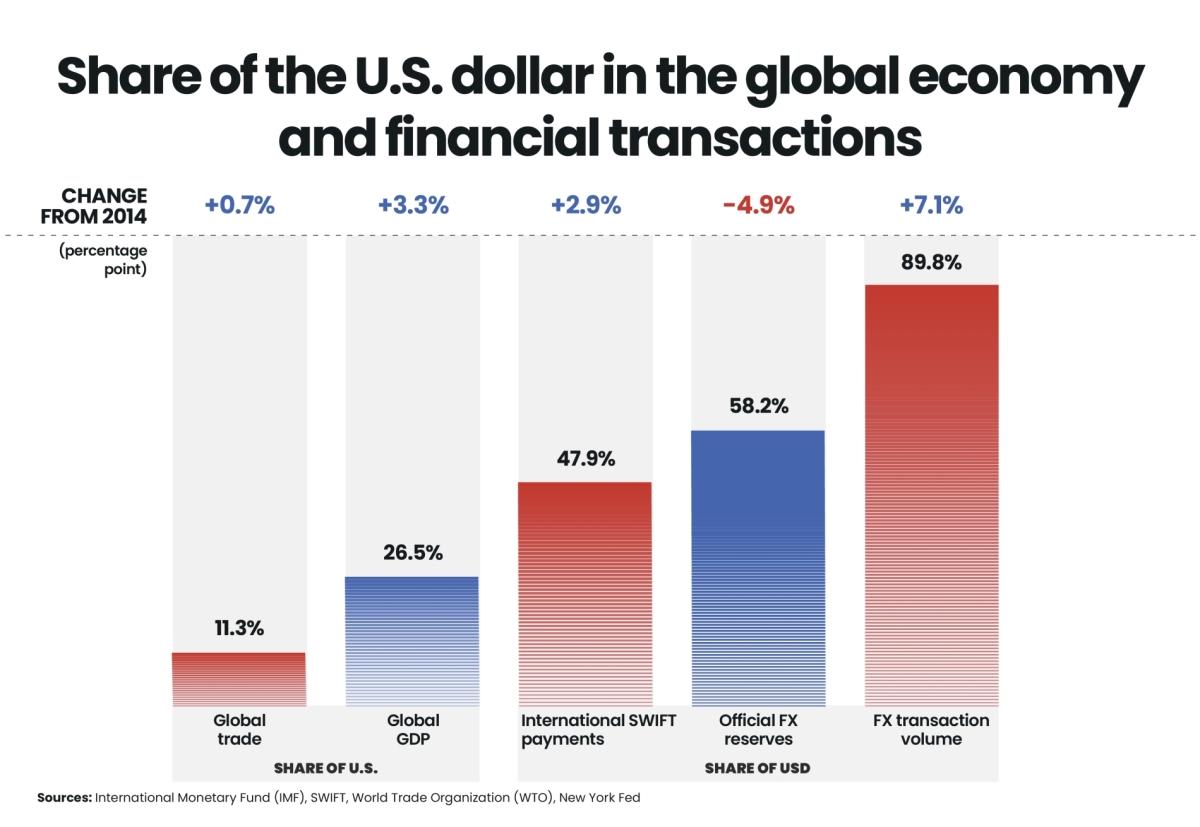
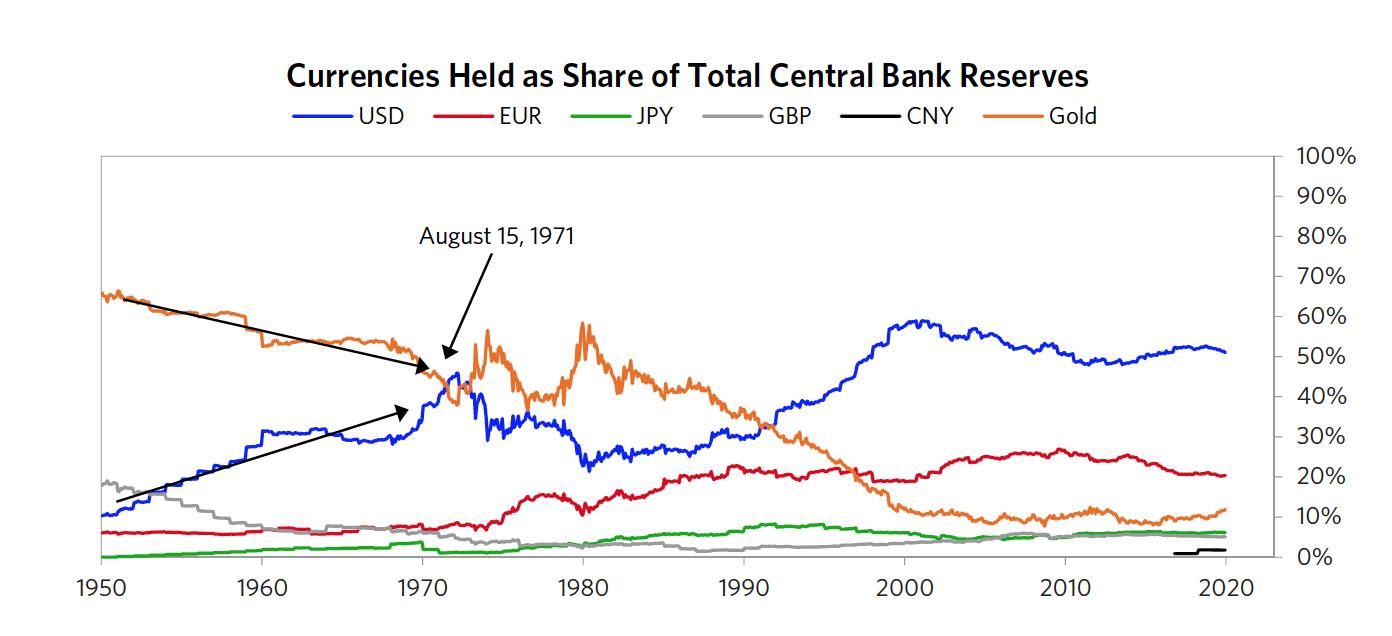
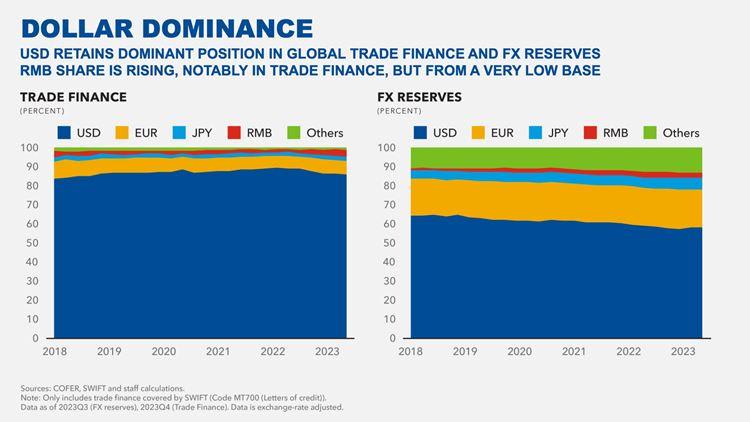
Countries use it to trade oil, hold foreign exchange reserves, settle international transactions, and conduct business across borders. Even today, the dollar remains the dominant global currency by a wide margin. According to IMF data, around 56.8% of global foreign exchange reserves are still held in U.S. dollars. (IMF Data)
Yet a growing number of countries are actively trying to reduce their dependence on the dollar.
From China and Russia to India, Brazil, and several Middle Eastern nations, governments are exploring alternatives. This trend is often called de-dollarization.
But why is it happening?
The Dollar's Extraordinary Power
The dollar's dominance gives the United States significant influence over the global financial system.
Because so much international trade and finance flows through dollar-based institutions, U.S. sanctions can have global consequences. Countries cut off from dollar networks often find it difficult to conduct international business.
This reality became particularly visible after sanctions were imposed on Russia following the Ukraine war. Many governments began asking a simple question:
That question has driven renewed interest in alternative payment systems, reserve assets, and local-currency trade. (Financial Times)
Countries Want More Financial Independence
One of the biggest reasons behind de-dollarization is the desire for greater economic sovereignty.
When countries rely heavily on the dollar, they become vulnerable to:
- U.S. monetary policy
- exchange-rate fluctuations
- sanctions and financial restrictions
- global dollar shortages
By increasing the use of their own currencies, governments hope to gain more control over their economies.
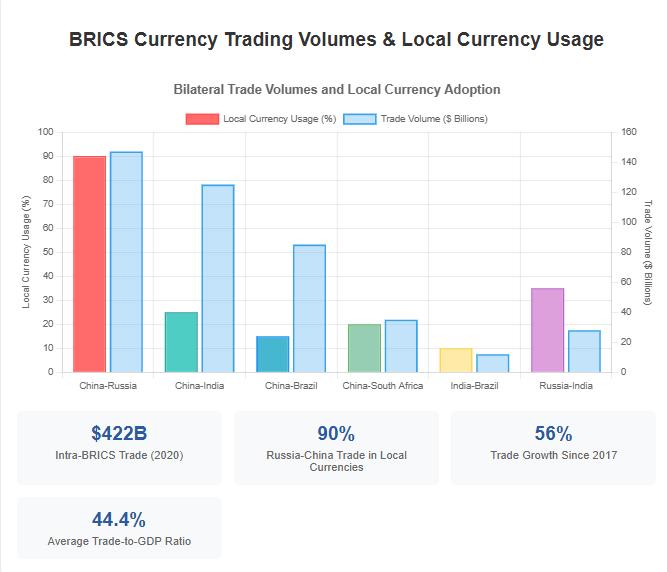
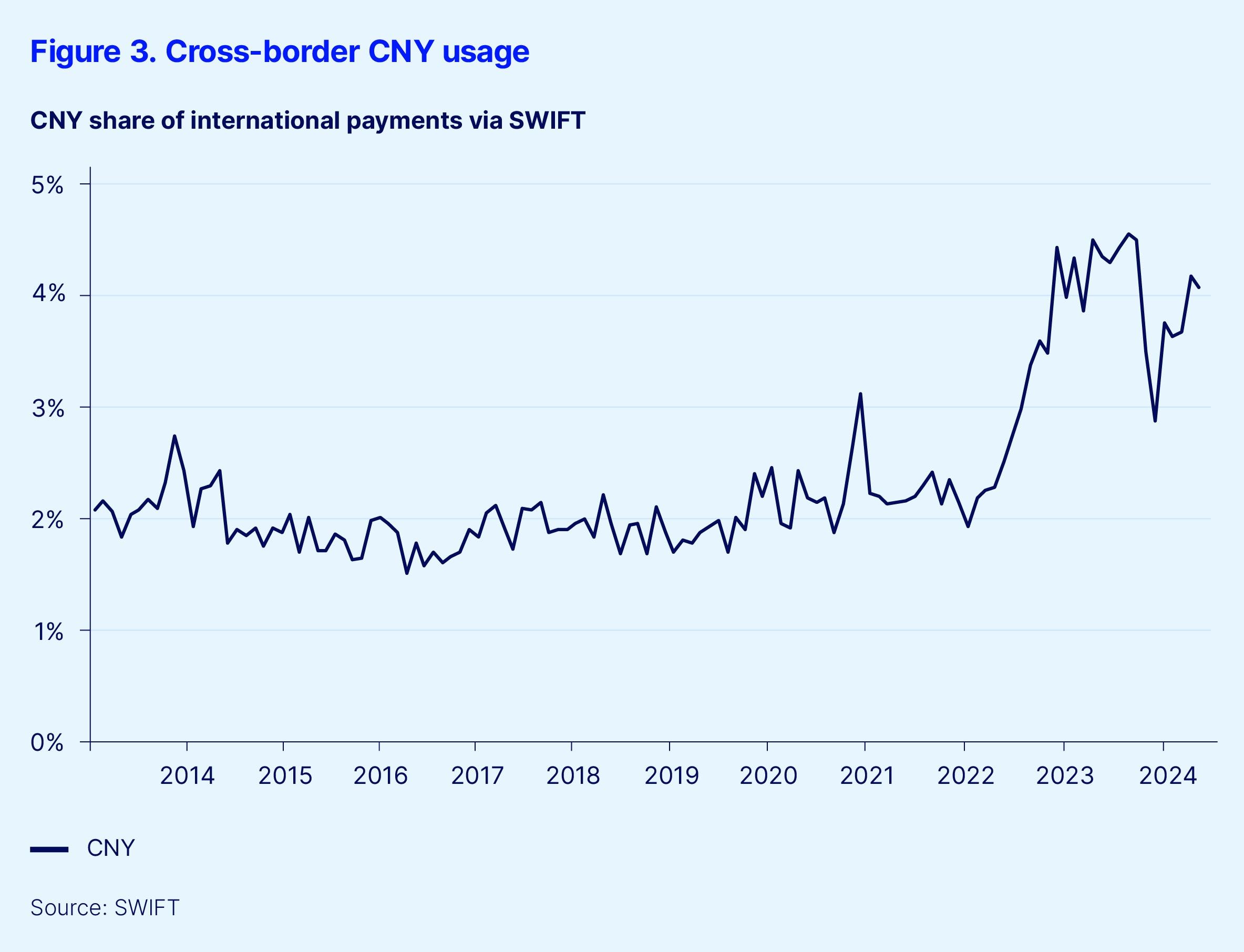
China has promoted the use of the yuan in international trade. India has expanded rupee-based trade arrangements with several partners. Meanwhile, BRICS countries have repeatedly discussed ways to increase trade settlement in local currencies.
The goal is not necessarily to replace the dollar overnight. It is to reduce dependence on a single currency.
The Rise of Local-Currency Trade
Historically, many countries traded with each other using dollars, even when neither country was the United States.
That is slowly changing.
India and Russia have experimented with local-currency settlements. China has encouraged more cross-border transactions in yuan. Several countries in Asia, Africa, and the Middle East are also exploring bilateral trade agreements that bypass the dollar.
These arrangements help reduce currency-conversion costs and limit exposure to exchange-rate volatility.
Central Banks Are Buying More Gold
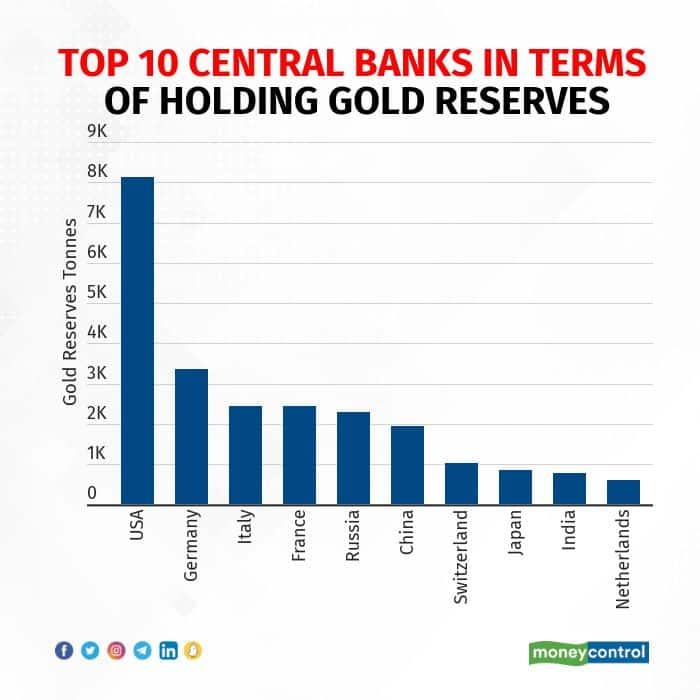
Another notable trend is the growing demand for gold.
In recent years, central banks around the world have purchased gold at some of the fastest rates in decades. By the end of 2025, gold had overtaken U.S. Treasuries as the largest asset held in global official reserves, accounting for roughly 27% of reserve assets, compared with 22% for Treasuries. (Financial Times)
Why?
Gold is seen as politically neutral. Unlike foreign currencies, it cannot be frozen by another country's central bank.
For many governments, gold has become a way to diversify reserves and reduce reliance on the dollar.
BRICS and the De-Dollarization Debate
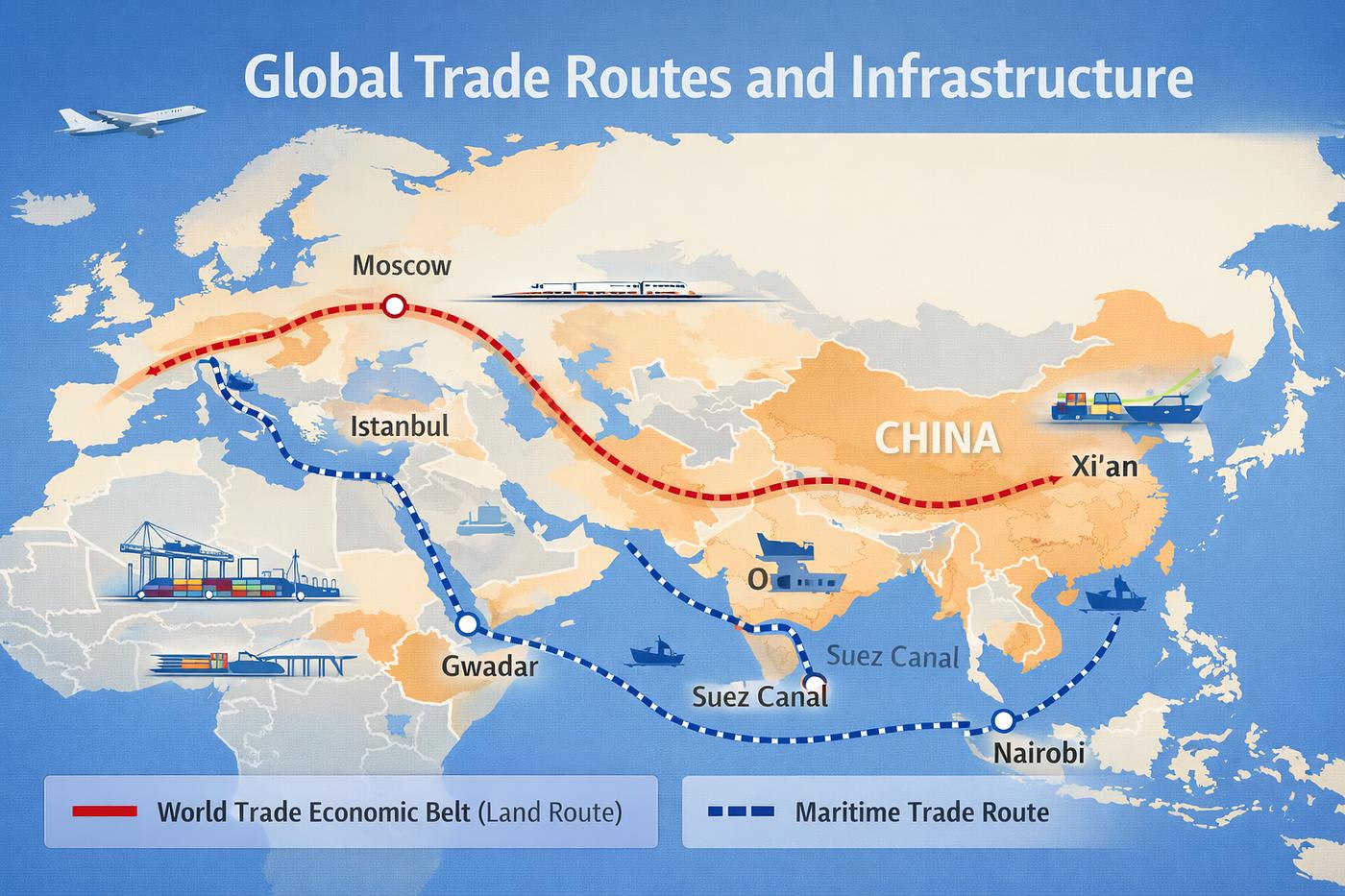
The expansion of BRICS has brought renewed attention to the future of the global monetary system.
Countries such as Brazil, Russia, India, China, and South Africa have discussed increasing trade in national currencies and building alternative financial infrastructure.
However, there is often a gap between headlines and reality.
Despite the discussion, the dollar still dominates global reserves, international finance, and trade. The Chinese yuan, often mentioned as a challenger, accounts for less than 2% of global foreign exchange reserves, according to IMF data. (IMF Data)
This highlights an important point:
Countries may want less dependence on the dollar, but creating a true alternative is much harder than it sounds.
Why the Dollar Remains Strong
The dollar continues to dominate because it offers advantages that are difficult to replicate.
These include:
- deep and liquid financial markets
- widespread global acceptance
- strong legal institutions
- large supplies of safe government debt
- global investor confidence
Even as countries diversify, most continue to hold substantial dollar reserves.
In fact, the decline in the dollar's reserve share has been gradual rather than dramatic. It remains the world's leading reserve currency by a significant margin. (IMF Data)
What This Means for the Global Economy
The world is not moving toward a sudden collapse of dollar dominance.
Instead, it appears to be moving toward a more diversified system.
Countries are:
- holding more gold
- increasing local-currency trade
- exploring alternative payment networks
- reducing concentration risk
This does not mean the dollar is disappearing.
It means governments want more options.
The future global financial system may look less like a world dominated by one currency and more like a system where multiple currencies play important roles.
Final Thoughts
Countries want to reduce dependence on the dollar because they see economic and geopolitical risks in relying too heavily on a single currency.
Sanctions, geopolitical tensions, exchange-rate volatility, and the desire for greater financial independence have all contributed to this shift.
Yet the dollar remains at the center of the global economy.
The real story is not the end of dollar dominance. It is the gradual emergence of a more multipolar financial world—one where nations are trying to balance the benefits of the dollar with the security of having alternatives. (IMF Data)
Much of the de-dollarization discussion has been driven by BRICS nations, which are exploring ways to increase trade in local currencies.