
For decades, big cities represented opportunity.
If you wanted a better job, higher salary, exciting nightlife, or a thriving social scene, moving to a major city seemed like the obvious choice. Cities like New York, London, Mumbai, Los Angeles, and Toronto attracted millions of people chasing career growth and a better future.
But something has changed.
An increasing number of people are choosing to leave big cities behind in favor of smaller towns, suburbs, and even rural communities. What was once considered a temporary trend has evolved into a significant lifestyle shift that continues to reshape how people think about work, money, and quality of life.
So why are people leaving big cities, and what does it reveal about modern life?
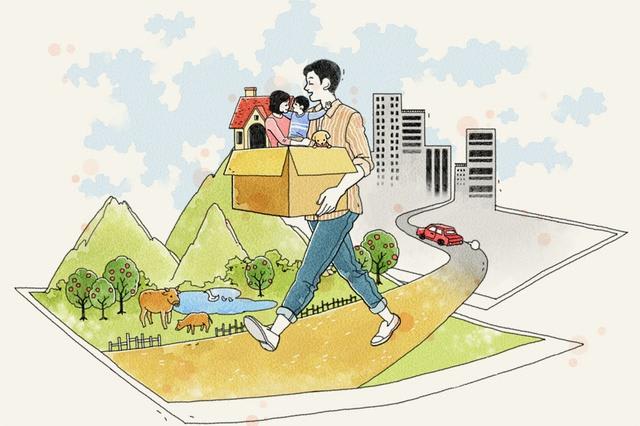
The Cost of Living Is Becoming Unsustainable
One of the biggest reasons people are leaving major cities is simple: money.
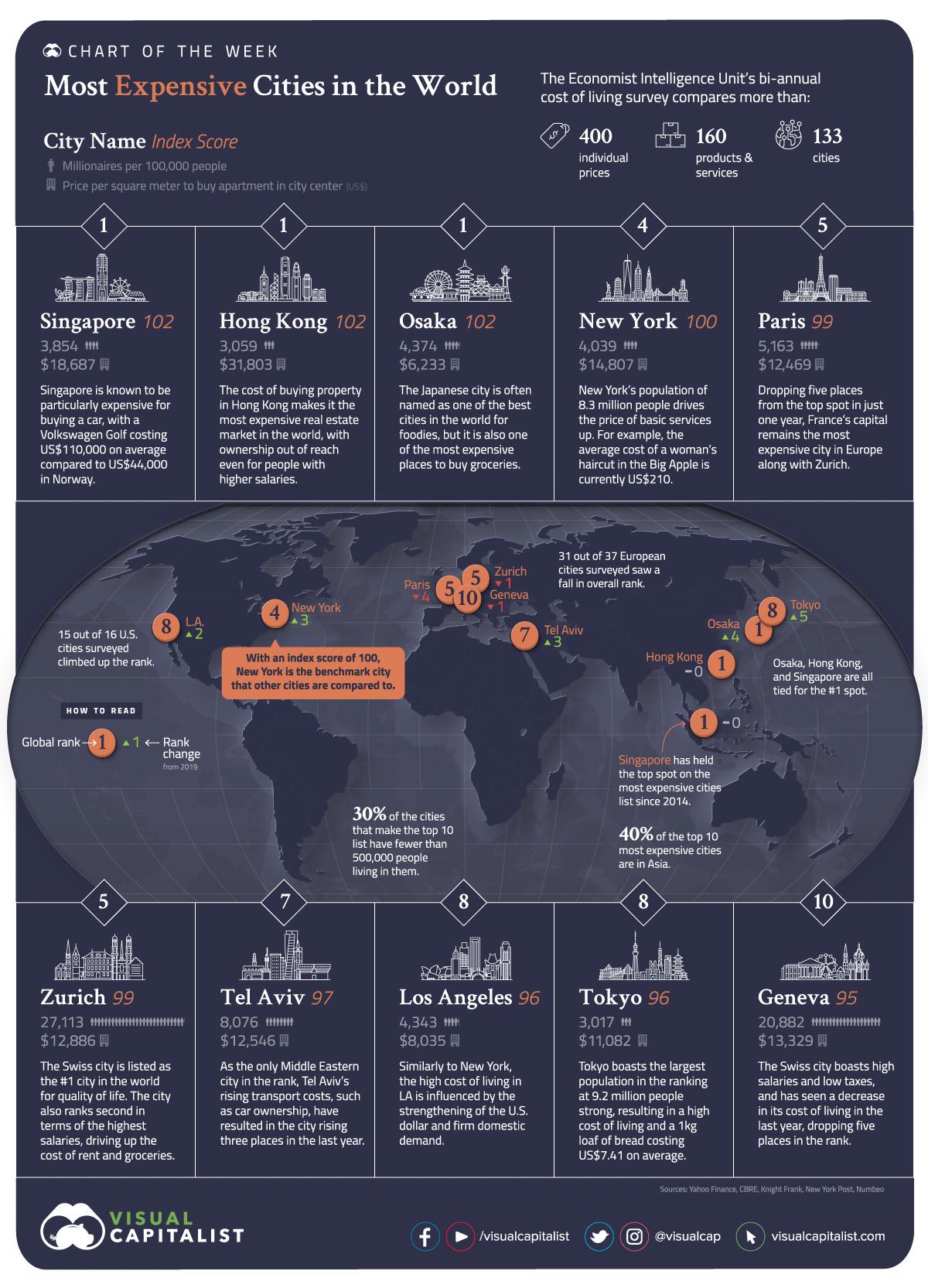
Housing costs have skyrocketed in many urban centers, making it difficult for even middle-income earners to afford comfortable living spaces.
In many cities, residents face:
- High rent prices
- Expensive mortgages
- Rising utility bills
- Costly transportation
- Higher food prices
Many people are beginning to question whether city life is worth the financial sacrifice.
For some, relocating to a smaller city can reduce living expenses dramatically while maintaining a similar quality of life.
Remote Work Changed Everything
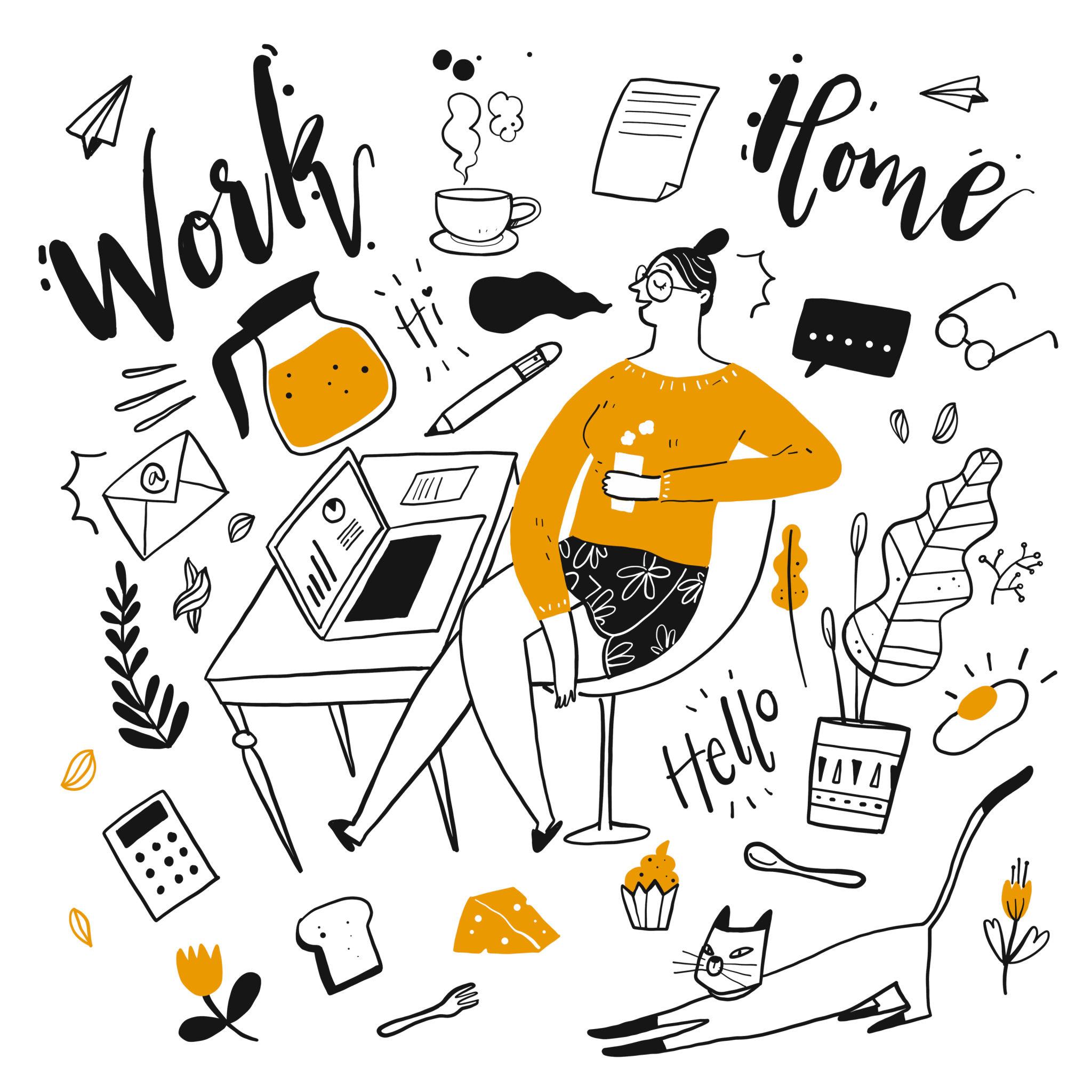
Before 2020, proximity to the office was often essential.
Today, millions of employees can work from virtually anywhere with a reliable internet connection.
Remote and hybrid work models have given people something previous generations rarely had: location freedom.
Instead of living near a company headquarters, workers can choose communities based on:
- Affordability
- Family needs
- Lifestyle preferences
- Climate
- Access to nature
This shift has fundamentally changed the relationship between work and geography.
People Want More Space
Urban living often means sacrificing space.
Small apartments, crowded neighborhoods, and limited outdoor areas can become exhausting over time.
Many people leaving cities cite a desire for:
- Larger homes
- Home offices
- Private outdoor spaces
- Gardens
- Quieter neighborhoods
When remote work became more common, having additional living space became even more valuable.
Commutes Are Losing Their Appeal
For years, people accepted long commutes as part of city life.
Spending one or two hours a day traveling to and from work was considered normal.
Today, many workers view those hours differently.
Instead of sitting in traffic or crowded public transportation, people would rather spend that time:
- Exercising
- Being with family
- Pursuing hobbies
- Resting
- Working on personal goals
As a result, the traditional tradeoff between city access and commute time is becoming less attractive.
Mental Health Is Playing a Bigger Role

Mental well-being has become a growing priority for many people.
While cities offer excitement and opportunity, they can also contribute to:
- Stress
- Noise fatigue
- Overstimulation
- Burnout
- Social pressure
Many individuals report feeling calmer and more balanced after moving to less crowded environments.
Access to parks, nature, and slower-paced lifestyles can positively affect overall well-being.
Social Media Changed What Success Looks Like
In the past, success was often associated with living in a major city.
Today, social media has exposed people to alternative lifestyles.
People can now see creators, entrepreneurs, freelancers, and remote workers thriving in:
- Small towns
- Beach communities
- Mountain regions
- Suburban neighborhoods
As a result, the idea that success requires living in a large city is becoming less convincing.
Families Are Prioritizing Different Values
For families with children, city life presents unique challenges.
Parents often consider factors such as:
- School quality
- Housing costs
- Safety
- Access to outdoor activities
In many cases, relocating provides more space and a lower cost of living while allowing families to maintain financial stability.
Smaller Cities Are Becoming More Attractive
The migration away from major urban centers doesn't necessarily mean people are moving to remote rural areas.
Many are choosing smaller cities that offer:
- Lower costs
- Growing job markets
- Better housing options
- Less traffic
- Strong communities
These locations often provide a balance between opportunity and affordability.
Are Big Cities Losing Their Importance?
Not at all.
Major cities continue to offer significant advantages:
- Diverse job opportunities
- Cultural experiences
- Entertainment
- Networking
- Higher population density
For many careers and industries, urban centers remain highly valuable.
However, the automatic assumption that everyone should move to a major city is beginning to fade.
People are increasingly evaluating where they want to live based on personal priorities rather than societal expectations.
The Rise of Lifestyle-First Living
Perhaps the most important shift is philosophical.
Previous generations often organized their lives around work.
Today, many people are organizing work around the lives they want to live.
This includes prioritizing:
- Flexibility
- Mental health
- Family time
- Financial security
- Work-life balance
The decision to leave a big city is often less about rejecting urban life and more about pursuing a lifestyle that feels sustainable and fulfilling.
What the Future Might Look Like
The trend away from major cities is unlikely to eliminate urban living, but it may permanently change how people think about location.
As technology continues to make remote work possible, individuals will have greater freedom to choose environments that align with their personal goals.
The future may not belong exclusively to big cities or small towns.
Instead, it may belong to people who have the flexibility to choose what works best for them.
The bottom line...
People are leaving big cities for a variety of reasons, including rising costs, remote work opportunities, mental health considerations, and changing definitions of success.
While urban centers will always play a critical role in culture and business, the modern workforce is discovering that opportunity isn't limited to a handful of major cities.
For many, the ultimate luxury is no longer living in the busiest place possible—it's having the freedom to decide where and how they want to live.