
You make it through the entire day.
You answer emails, finish work, talk to people, run errands, scroll through your phone, and somehow keep moving.
Then night arrives.
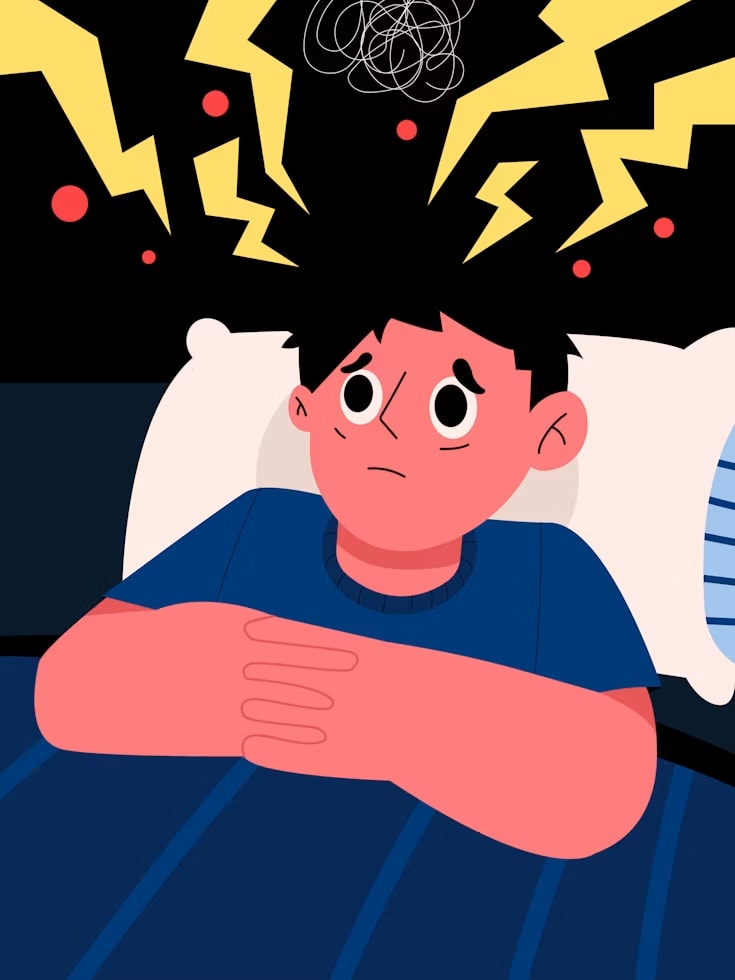
The room gets quiet. The lights go out. And suddenly, thoughts you barely noticed during the day become impossible to ignore.
That awkward conversation from three days ago comes back.
You start worrying about money, relationships, health, the future, unfinished tasks, or problems that do not even exist yet.
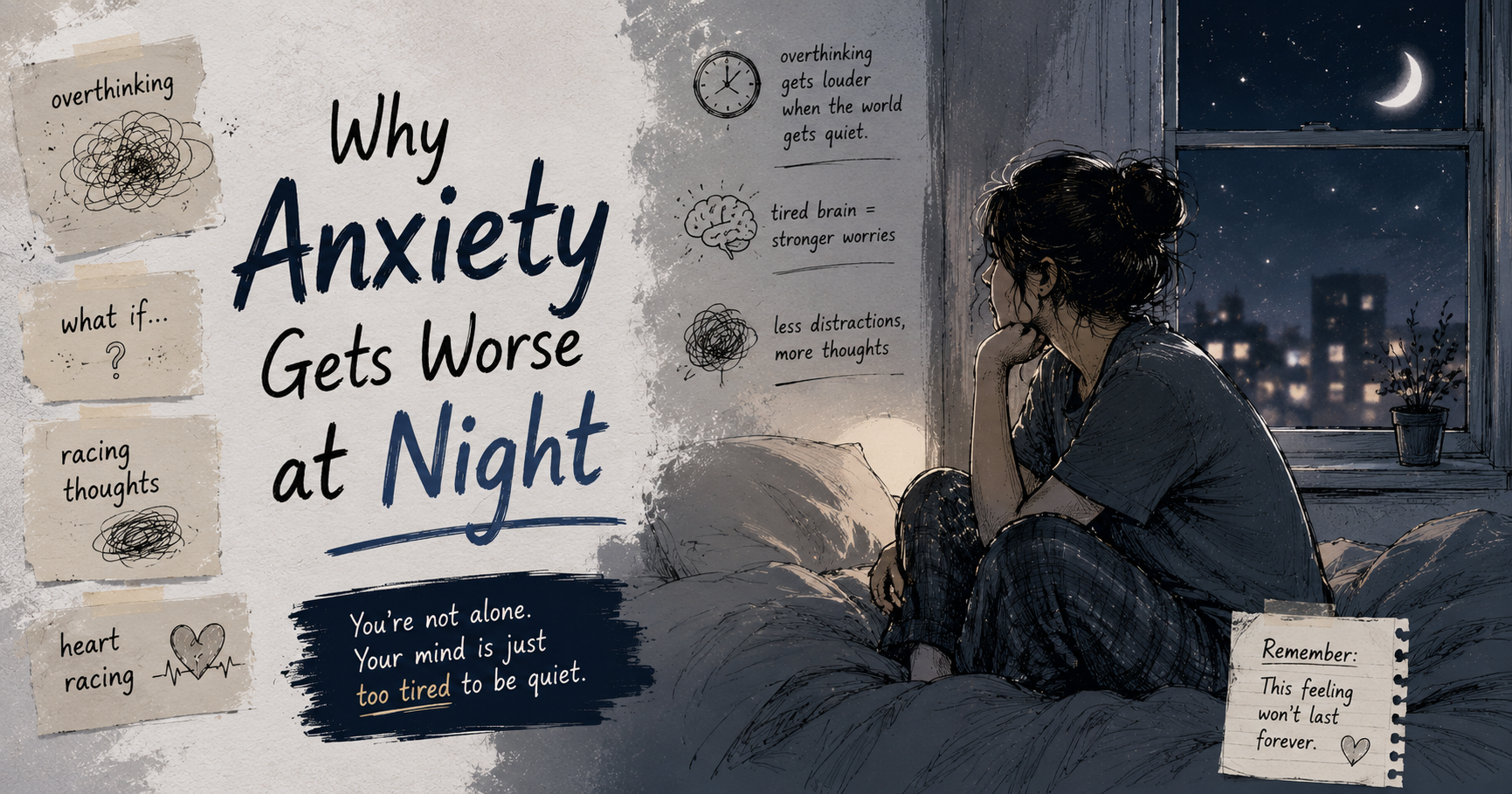
For many people, anxiety feels significantly worse at night—and there are real psychological and biological reasons why.
It is not just “overthinking.” Your brain and nervous system are behaving differently after dark.
The Silence Gives Anxiety More Space
One of the biggest reasons nighttime anxiety happens is surprisingly simple:
During the day, your mind is distracted.
Work, conversations, notifications, responsibilities, and constant stimulation keep your attention occupied. But once those distractions disappear, the brain finally has room to focus inward.
Psychiatrist Jeffrey Strawn from the University of Cincinnati describes nighttime as a “perfect setup” for runaway thoughts and rumination because there are fewer external distractions competing for attention.
That is why worries often feel louder at night.
The thoughts were already there.
You can just hear them now.
Your Brain Is Tired And Tired Brains Handle Stress Worse
Research consistently shows a strong connection between poor sleep and increased anxiety. People who sleep less than recommended often experience higher levels of mental distress and emotional reactivity.
By nighttime, your mental resources are lower.
Your brain becomes less efficient at:
- emotional regulation
- rational thinking
- perspective-taking
- stress management
This is why a problem that feels manageable at 2 PM can suddenly feel catastrophic at 2 AM.
The situation may not have changed.
Your mental energy has.
Cortisol, Stress Hormones, and the “Wired-Tired” Feeling
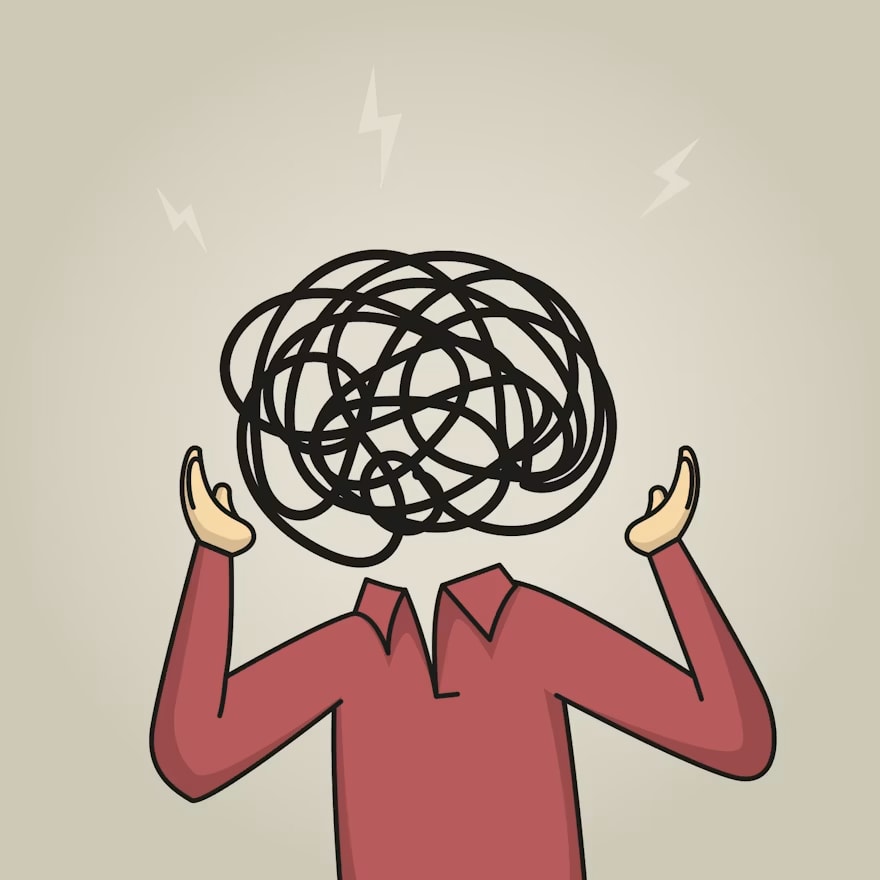
Many people describe nighttime anxiety the same way:
"I'm exhausted, but my brain won't shut off."
Experts often call this the wired-tired cycle.
Stress can disrupt the body's natural cortisol rhythm. Cortisol is a hormone that helps regulate alertness and energy throughout the day. When stress remains high, the nervous system may stay activated even when the body is trying to rest.
The result?
You feel physically tired but mentally alert.
Your body wants sleep.
Your brain wants to keep scanning for problems.
You're Not Alone
Nighttime anxiety is extremely common.
According to sleep and mental health research, sleep deprivation and anxiety have a two-way relationship: poor sleep increases anxiety, and anxiety makes sleep more difficult.
Online anxiety communities reflect the same pattern.
In one highly engaged discussion, hundreds of people described anxiety becoming significantly worse after sunset, with many reporting panic attacks, racing thoughts, chest tightness, and overthinking that appeared primarily at night.
The pattern appears repeatedly:
- fewer distractions
- increased mental rumination
- nervous system fatigue
- sleep-related worry
For many anxious people, nighttime becomes the moment when everything catches up.
The Phone in Your Hand May Be Making It Worse

When anxiety appears, many people instinctively reach for their phones.
It feels comforting at first.
But endless scrolling often keeps the brain stimulated when it should be winding down.
Late-night screen exposure can delay melatonin production, increase mental activity, and make it harder for the nervous system to settle into sleep mode.
Instead of calming anxiety, it sometimes extends it.
Small Things That Actually Help
The goal is not forcing yourself to stop thinking.
That usually makes anxiety louder.
Instead, focus on reducing nervous-system stimulation.
Many people find relief through grounding routines before bed.
A calming sleep environment can make a significant difference.
1. Weighted Blankets for Nervous System Calm
Weighted blankets are often used by people who struggle with nighttime restlessness because the pressure creates a sense of physical grounding.
2. Guided Journaling Before Sleep
Writing worries down before sleep can reduce mental clutter and stop repetitive thought loops from growing stronger overnight. Bring your guided journal to your bedside and write away your thoughts.
3. White Noise for Mental Overstimulation
For people whose minds become hyper-aware of silence at night, soft sound can sometimes reduce mental fixation.
Listen to this white noise on youtube: Rainstorm Sounds for Relaxing, Focus or Deep Sleep | Nature White Noise | 8 Hour Video
Foreword
Anxiety often feels worse at night because the mind finally loses its distractions.
The world becomes quieter, but your thoughts become louder.
Add mental fatigue, disrupted sleep patterns, stress hormones, and digital overstimulation, and nighttime becomes the perfect environment for overthinking.
The important thing to remember is that nighttime anxiety does not necessarily mean your problems are bigger.
It often means your nervous system is more exhausted.
Many thoughts that feel overwhelming at 2 AM look very different in daylight.
Sometimes the goal is not solving every fear before sleep.
Sometimes the goal is simply helping the brain feel safe enough to rest.
The quiet hours of the night can also intensify feelings of emotional isolation. If you've ever felt lonely despite being surrounded by people, you may relate to our article on The Hidden Loneliness of Anxiety Nobody Talks About.