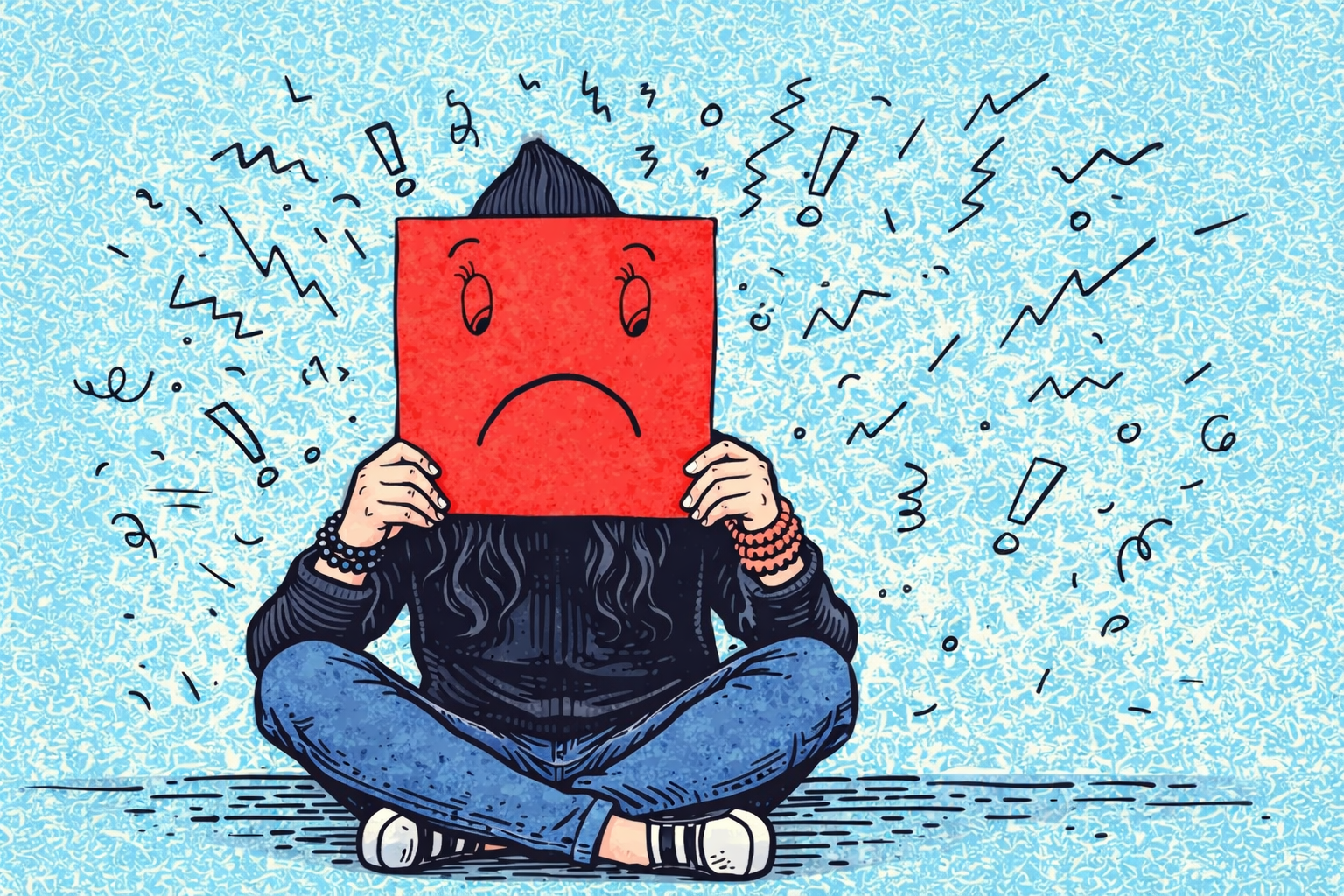

In a world that never seems to pause, anxiety has quietly shifted from being a private struggle to a shared cultural experience.
Anxiety in Everyday Life
A delayed message, a pending deadline, or even a silent phone can trigger unease. What was once considered an occasional emotional response is now part of everyday conversation. Phrases like “I’m having an anxiety attack” are used casually, reflecting not just increased awareness, but also a deeper cultural shift in how we experience and express stress.
Understanding the “Culture of Anxiety”
The “culture of anxiety” refers to the normalization of anxious feelings in daily life..
Today, anxiety is not confined to clinical definitions—it influences how people talk, work, socialize, and even relax.
While this openness has helped reduce stigma around mental health, it has also blurred the line between momentary stress and actual anxiety disorders.
As a result, the term “anxiety” often becomes an umbrella for a wide range of emotional states, from mild nervousness to severe panic episodes.
What Is Driving This Shift?
Several factors have contributed to this growing culture of anxiety. One of the most significant is digital overload. With constant notifications, endless scrolling, and the pressure to stay updated, the mind rarely gets a break.
Social media, in particular, creates a loop of comparison where individuals measure their lives against curated versions of others, often intensifying feelings of inadequacy.
Another key driver is the pressure to perform. Whether in academics, careers, or personal life, there is an unspoken expectation to always be productive and successful.
Over time, this constant pressure conditions individuals to function in a state of heightened alertness, where even small setbacks feel overwhelming.
The Implications on Mental and Emotional Well-being
The implications of this cultural shift are complex. On one hand, increased awareness around mental health has encouraged more people to speak openly and seek help.
This is a positive and necessary development. On the other hand, the casual use of terms like “anxiety attack” can lead to desensitization, unintentionally diminishing the seriousness of clinical conditions.
Living in a constant state of low-level anxiety can also result in emotional burnout. Many people feel mentally exhausted even without engaging in physically demanding activities.
This ongoing fatigue affects concentration, relationships, and overall well-being. Over time, it may reduce resilience—the ability to cope with discomfort or uncertainty—making everyday challenges feel more difficult than they actually are.
There is also a shift in how discomfort is perceived. Instead of being seen as a natural part of growth, it is often avoided or labeled as harmful.
While addressing genuine mental health concerns is crucial, it is equally important to recognize that not all stress is negative. Some level of discomfort plays a key role in personal development and emotional strength.
Finding a Balanced Approach
Addressing the culture of anxiety does not mean dismissing people’s experiences. Instead, it calls for balance.
Setting boundaries with technology, being mindful of content consumption, and using language carefully can help create a healthier mental space.
It is also important to recognize when professional help is needed rather than self-diagnosing based on temporary emotions.
Conclusion
Redefining Our Relationship with Anxiety
Anxiety should neither be stigmatized nor normalized to the point of trivialization. It deserves to be understood with clarity and treated with care.
As society evolves, the goal should not be to eliminate anxiety entirely, but to build a healthier relationship with it—one that allows space for both vulnerability and resilience.