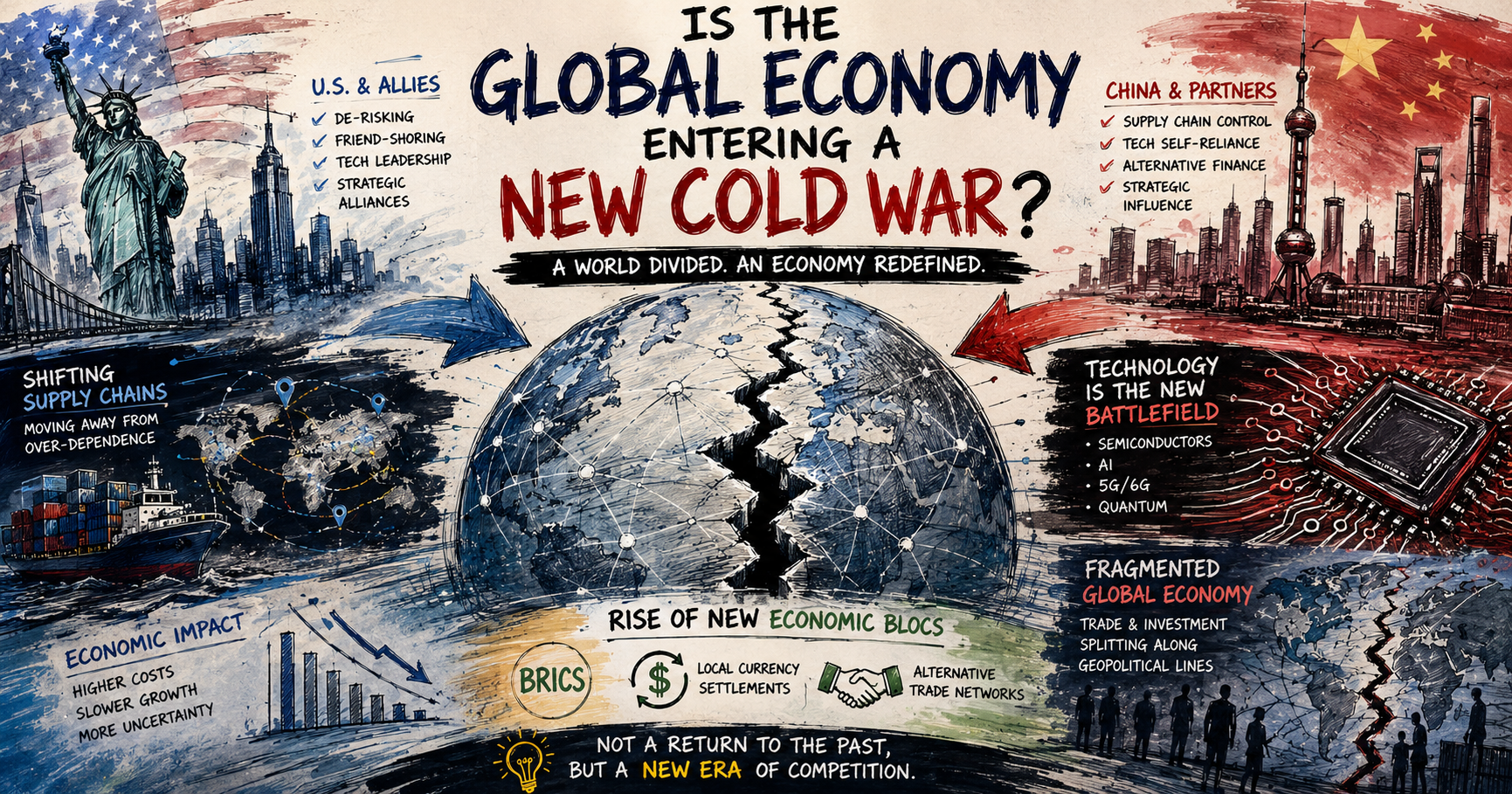

For much of the last three decades, the global economy was built around a simple idea: countries would trade more, invest more, and become increasingly interconnected. Economic integration was seen as a path to prosperity and stability.
Today, that assumption is being challenged.
The world's largest economies are imposing tariffs, restricting technology exports, reshaping supply chains, and forming new economic partnerships based as much on security concerns as economic efficiency. The question many economists and policymakers are asking is no longer whether globalization is changing—but whether the world is entering a new kind of economic Cold War.
The answer is complicated. While today's situation is very different from the Cold War between the United States and the Soviet Union, there are growing signs that the global economy is becoming more fragmented. (IMF)
What Made the Original Cold War Different?
During the Cold War, the world was divided into two largely separate economic blocs.
The United States led a market-based economic system, while the Soviet Union operated a centrally planned economy. Trade between the two blocs was limited, and political rivalry shaped economic decisions.
Research on Cold War trade patterns suggests that barriers between East and West significantly reduced trade flows and created long-term economic costs, especially for countries inside the Soviet bloc. (arXiv)
Today's world is different because the major rivals are deeply connected economically.
The United States and China remain two of the world's largest trading partners, and global supply chains still stretch across continents. Yet political tensions are increasingly influencing economic decisions.
The US-China Rivalry Is Reshaping Global Trade
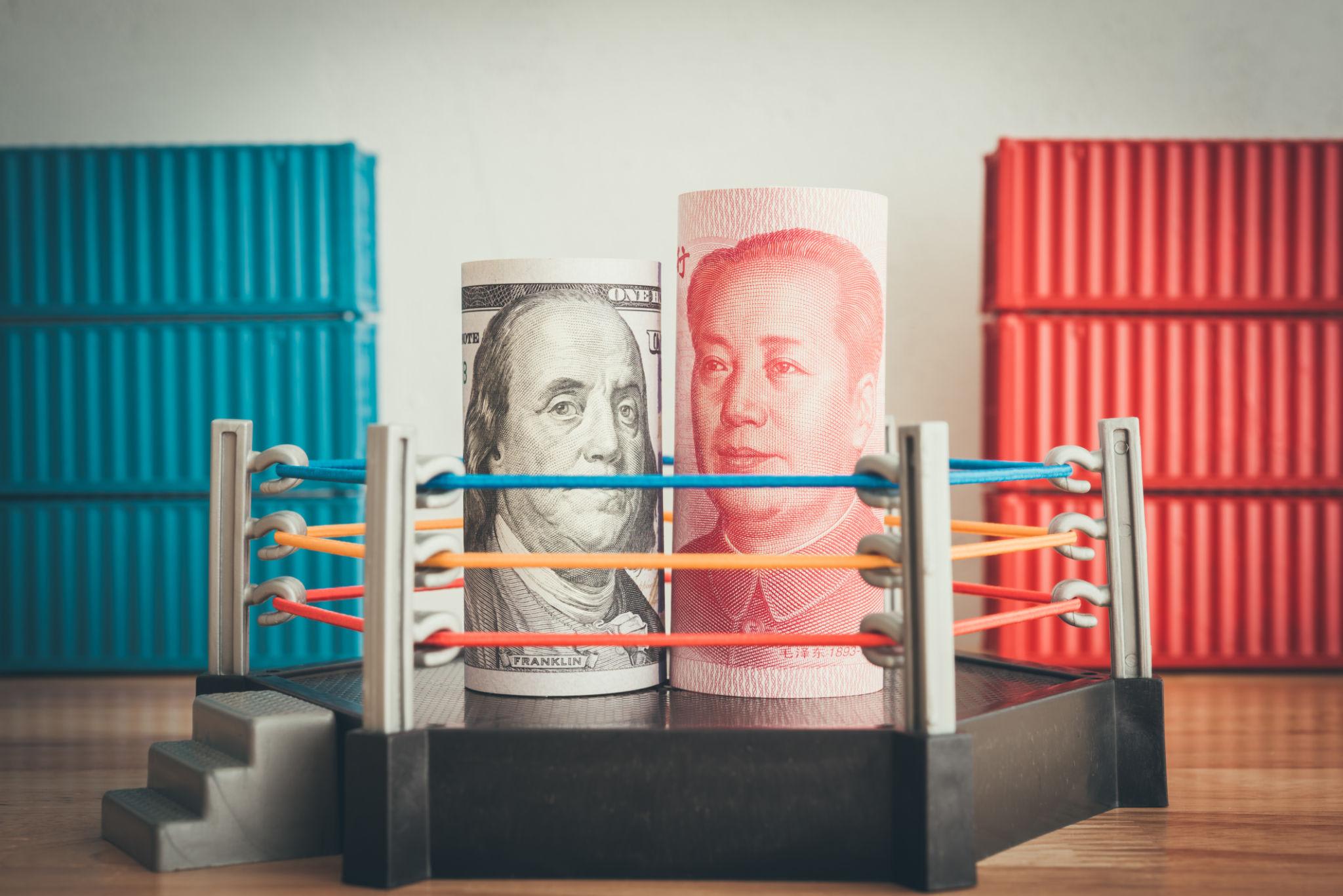
At the center of this shift is the relationship between the United States and China.
For years, companies optimized supply chains based on cost and efficiency. Now, governments and businesses are paying more attention to resilience, national security, and strategic dependence.
The IMF has found evidence that global trade is increasingly fragmenting along geopolitical lines. Since Russia's invasion of Ukraine in 2022, trade between countries aligned with the United States and those closer to China has fallen significantly faster than trade within the same geopolitical groups. One IMF study estimated that trade between rival blocs declined about 12% more than trade within blocs. (mint)
This does not mean trade is collapsing.
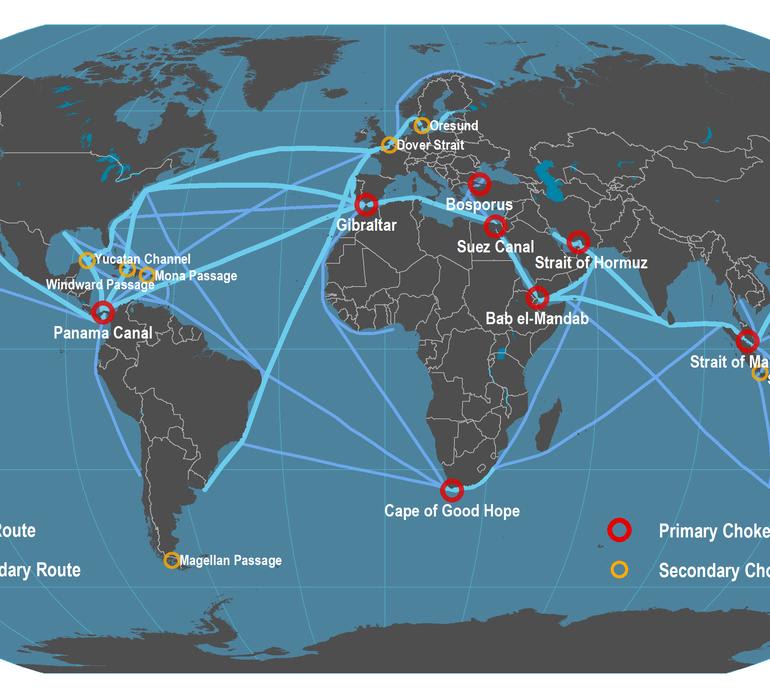
Instead, companies are pursuing what many analysts call "friend-shoring" and "China+1" strategies, moving portions of production to countries such as India, Vietnam, Indonesia, and Mexico while maintaining access to Chinese manufacturing networks. (arXiv)
Technology Has Become a Geopolitical Weapon
One of the clearest signs of a changing global economy is the growing battle over technology.
Advanced semiconductors, artificial intelligence, telecommunications infrastructure, and critical minerals have become matters of national security.
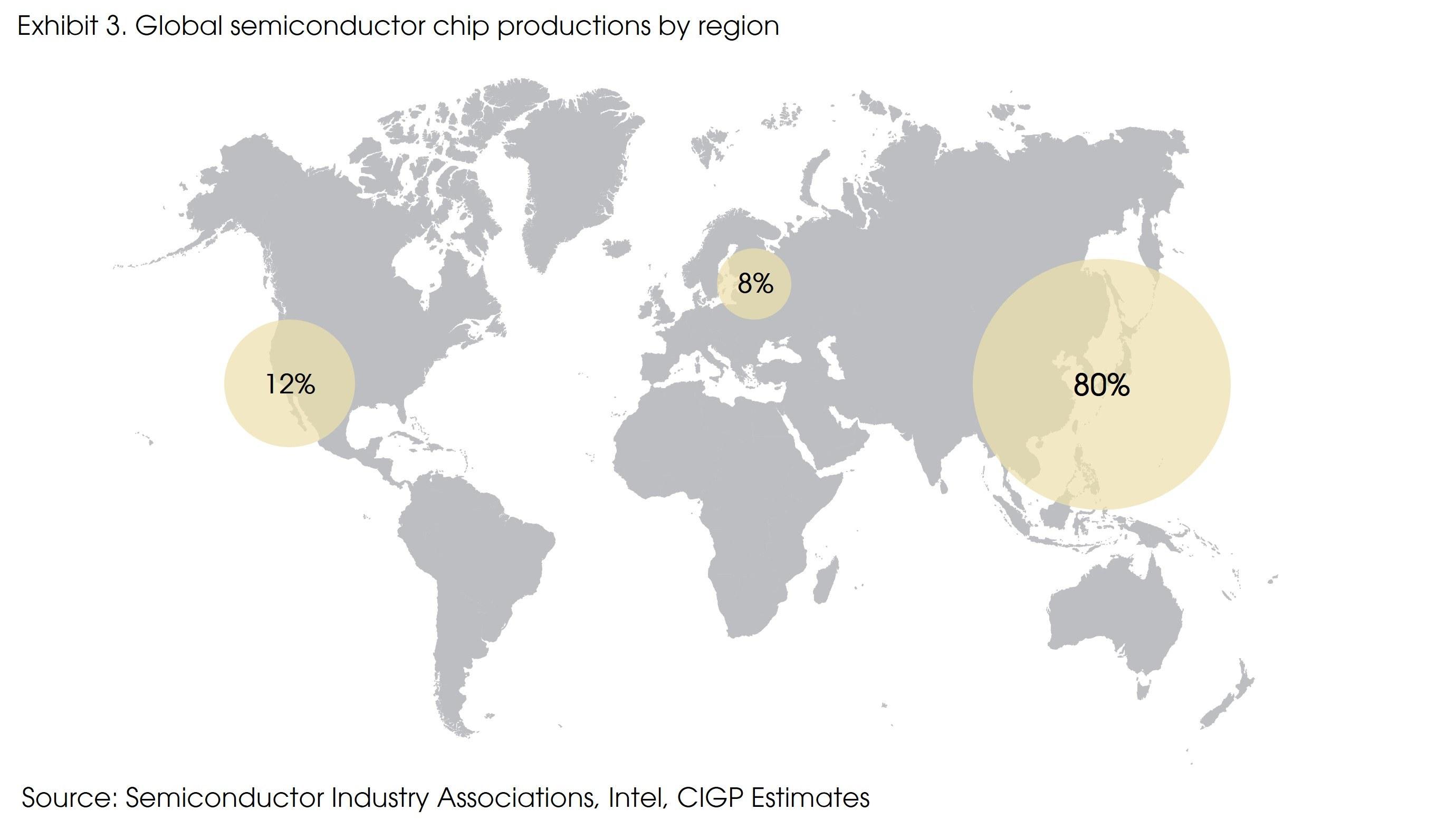
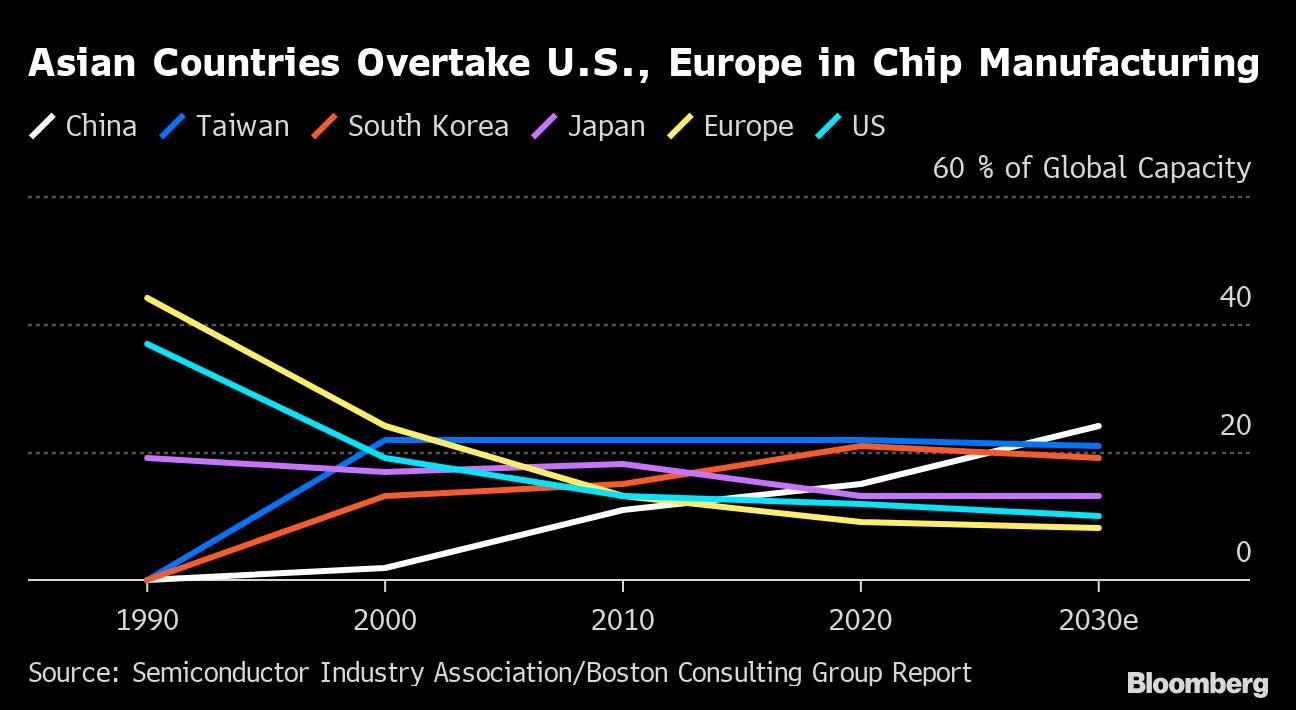
The United States has introduced export restrictions on advanced chips and semiconductor equipment, while China has increased efforts to become more technologically self-sufficient.
Unlike previous trade disputes focused mainly on tariffs, today's competition increasingly revolves around control of strategic technologies.
This is why many experts describe the current situation as a tech Cold War rather than a traditional trade war.
Globalization Is Changing—Not Disappearing
Despite growing tensions, globalization remains remarkably resilient.
According to the IMF, global trade has adapted to many disruptions by rerouting supply chains rather than abandoning them entirely. Even as tensions rise, countries continue to trade, invest, and cooperate across borders. (IMF)
However, the nature of globalization is changing.
Instead of asking, "Where is production cheapest?" governments are increasingly asking:
- Is the supplier politically reliable?
- Could this dependency become a security risk?
- What happens during a geopolitical crisis?
These questions would have been far less common twenty years ago.
The Economic Cost of Fragmentation
Economic fragmentation comes with a price.
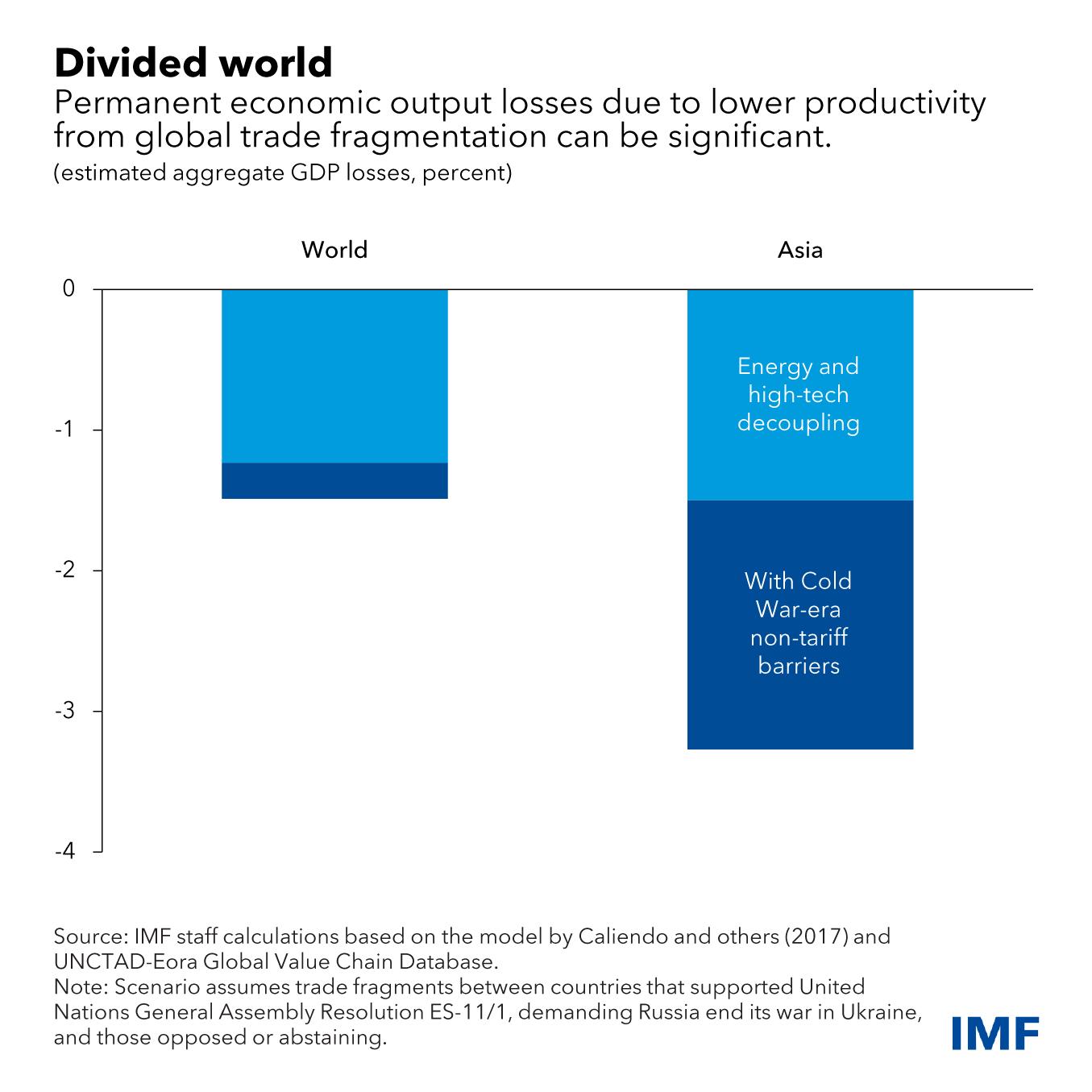
The IMF has repeatedly warned that a world divided into competing economic blocs could reduce growth, disrupt supply chains, and increase costs for consumers and businesses. (IMF)
Recent IMF forecasts highlight growing uncertainty. In 2025, the IMF reduced its global growth forecast to 2.8%, citing rising tariffs and trade tensions. It also projected global trade growth slowing to 1.7%, a sharp decline from previous years. (IMF)
Meanwhile, the WTO has warned that geopolitical instability could further slow global trade growth and disrupt transportation and energy networks. (Reuters)
For businesses, fragmentation often means:
- Higher production costs
- More complex supply chains
- Reduced efficiency
- Increased investment uncertainty
For consumers, it can mean higher prices and fewer choices.
The Rise of Economic Blocs
A notable feature of today's environment is the emergence of competing economic groupings.
The United States is strengthening economic cooperation with allies in Europe and Asia.
China is expanding trade relationships through initiatives such as the Belt and Road Project.
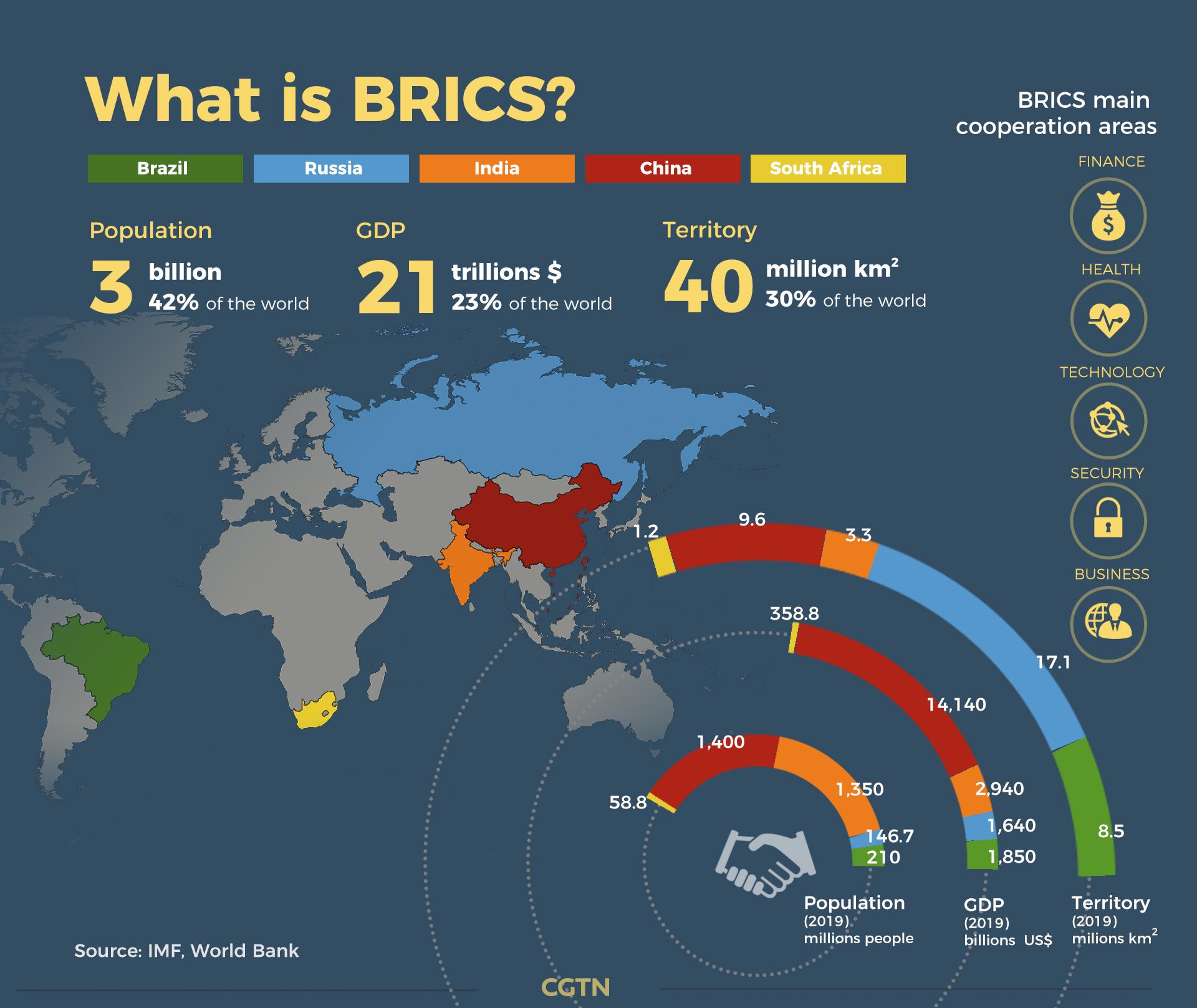
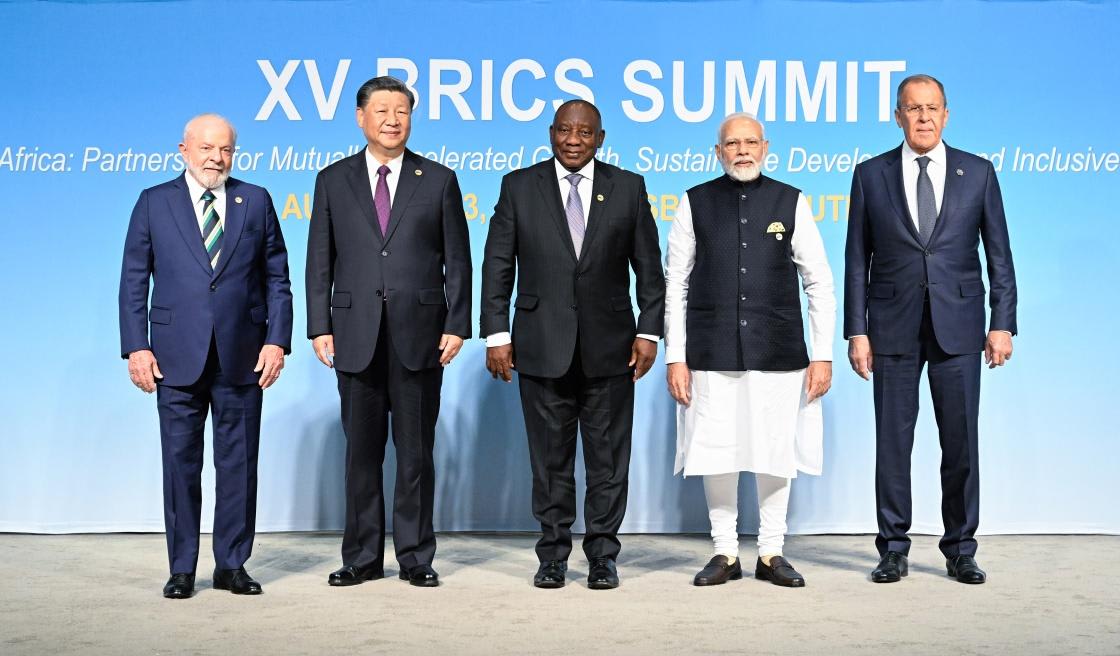
BRICS nations are discussing alternatives to dollar-based trade systems and increasing cooperation among emerging economies.
These developments do not necessarily mean the world is splitting into two completely separate camps. Many countries—including India, Saudi Arabia, Indonesia, and Brazil—are actively maintaining relationships with multiple powers rather than choosing sides.
This is one reason today's environment differs from the rigid Cold War structure of the twentieth century. (mint)
Why India Could Benefit
Economic fragmentation creates challenges, but it also creates opportunities.
As companies diversify supply chains away from overreliance on a single country, nations such as India, Vietnam, and Mexico have attracted new manufacturing investments.
India's growing role in technology, manufacturing, and diplomacy positions it as one of the major beneficiaries of supply-chain diversification.
Rather than being forced into a single bloc, India has largely pursued a strategy of maintaining relationships with both Western economies and emerging powers.
So, Are We Entering a New Cold War?
The global economy is not returning to the Cold War of the 1950s.
Trade between rival powers remains substantial, global financial markets remain interconnected, and many countries continue to engage with multiple economic partners.
Yet it is equally clear that the era of globalization driven solely by efficiency is ending.
Economic decisions are increasingly influenced by national security, geopolitical competition, technology control, and strategic resilience.
The result is a world that looks less like a single integrated marketplace and more like a network of overlapping economic spheres.
Foreword
The phrase "new Cold War" may sound dramatic, but it captures a real shift taking place in the global economy.
The United States and China are competing not only for military influence but also for technological leadership, supply-chain control, and economic power. Countries around the world are adjusting to this reality by diversifying partnerships, reshaping trade networks, and reducing strategic vulnerabilities.
The global economy is not breaking apart overnight. But it is becoming more fragmented, more political, and more focused on security than at any point since the end of the original Cold War.
And that transformation could define the next decade of global growth, trade, and geopolitics. (IMF)
As economic rivalries intensify, several nations are also exploring ways to reduce their dependence on the U.S. dollar and diversify their financial systems.