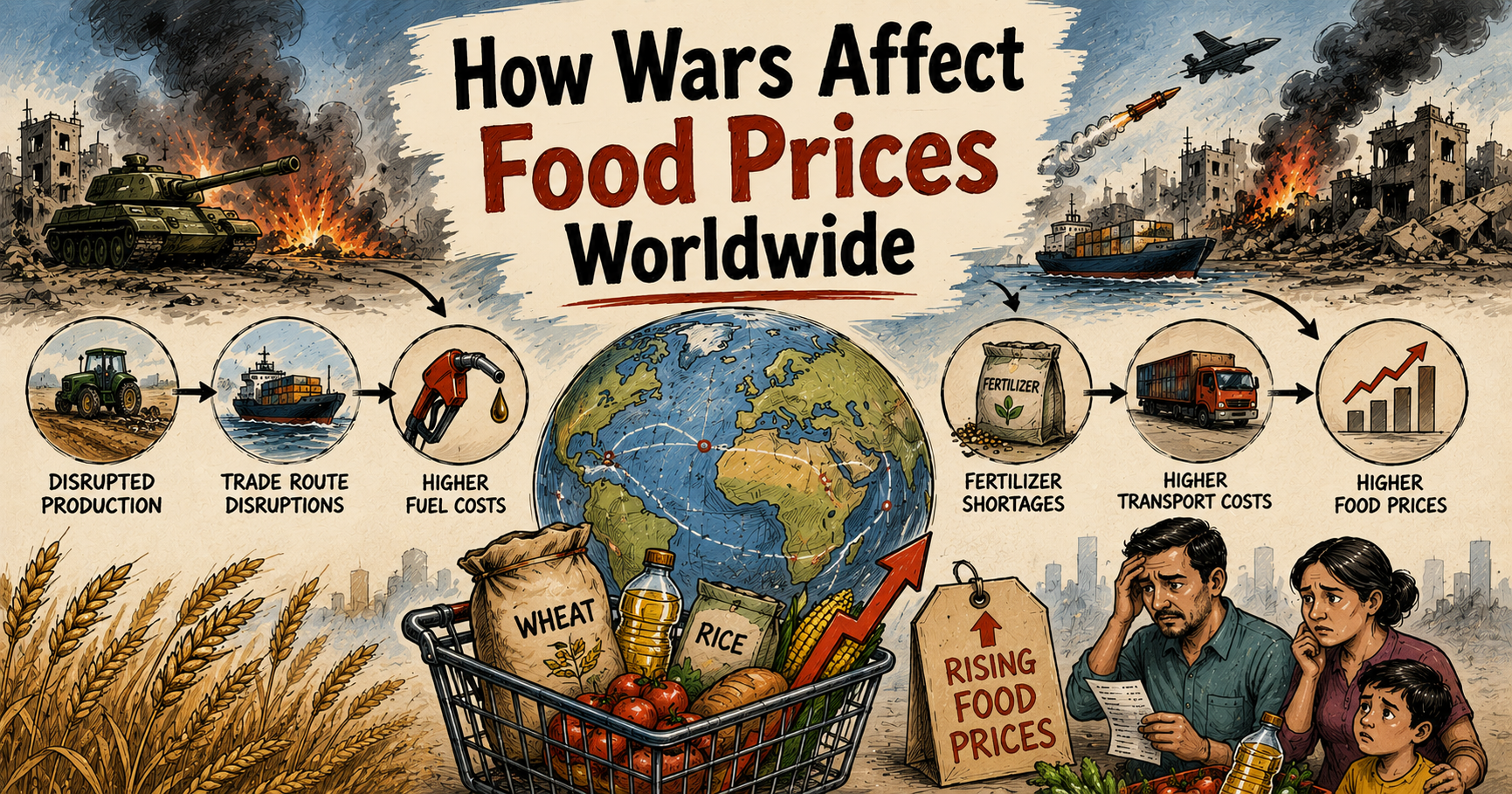

Food prices are influenced by many factors, including weather, transportation costs, and government policies. But one of the most powerful—and often overlooked—drivers of food inflation is war.
When conflicts break out, they do not only affect the countries directly involved. Modern food supply chains are deeply interconnected, meaning that a war in one region can raise grocery bills thousands of kilometers away. From wheat and cooking oil to fertilizers and fuel, wars can disrupt every stage of the global food system.
The Russia-Ukraine war, ongoing instability in the Middle East, and disruptions to major trade routes have demonstrated how quickly geopolitical crises can affect food prices around the world.
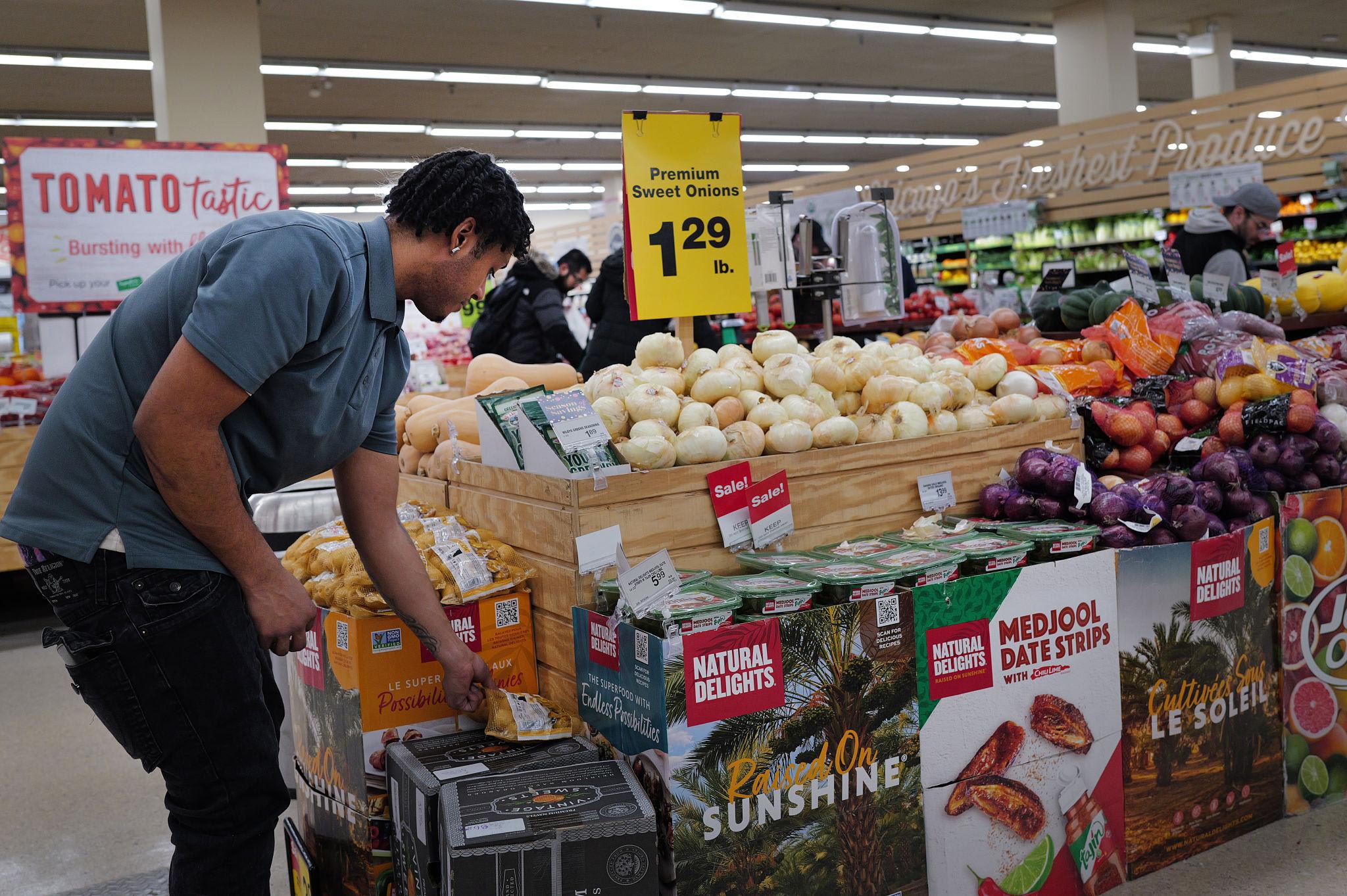
Why Wars Affect Food Prices
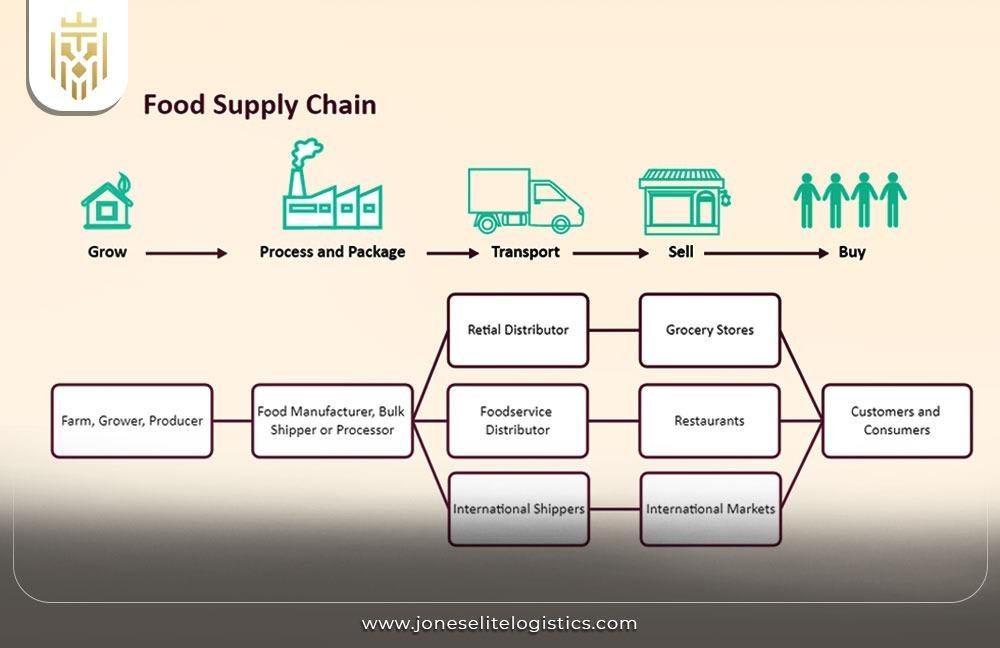
Food reaches consumers through a complex network of farms, fertilizer producers, shipping companies, energy suppliers, and retailers.
War can disrupt this system in several ways:
- Reduced agricultural production
- Damage to infrastructure
- Higher transportation costs
- Energy price increases
- Fertilizer shortages
- Trade restrictions
When supply falls while demand remains stable, prices typically rise.
This basic economic principle explains why conflicts often trigger food inflation far beyond the battlefield.
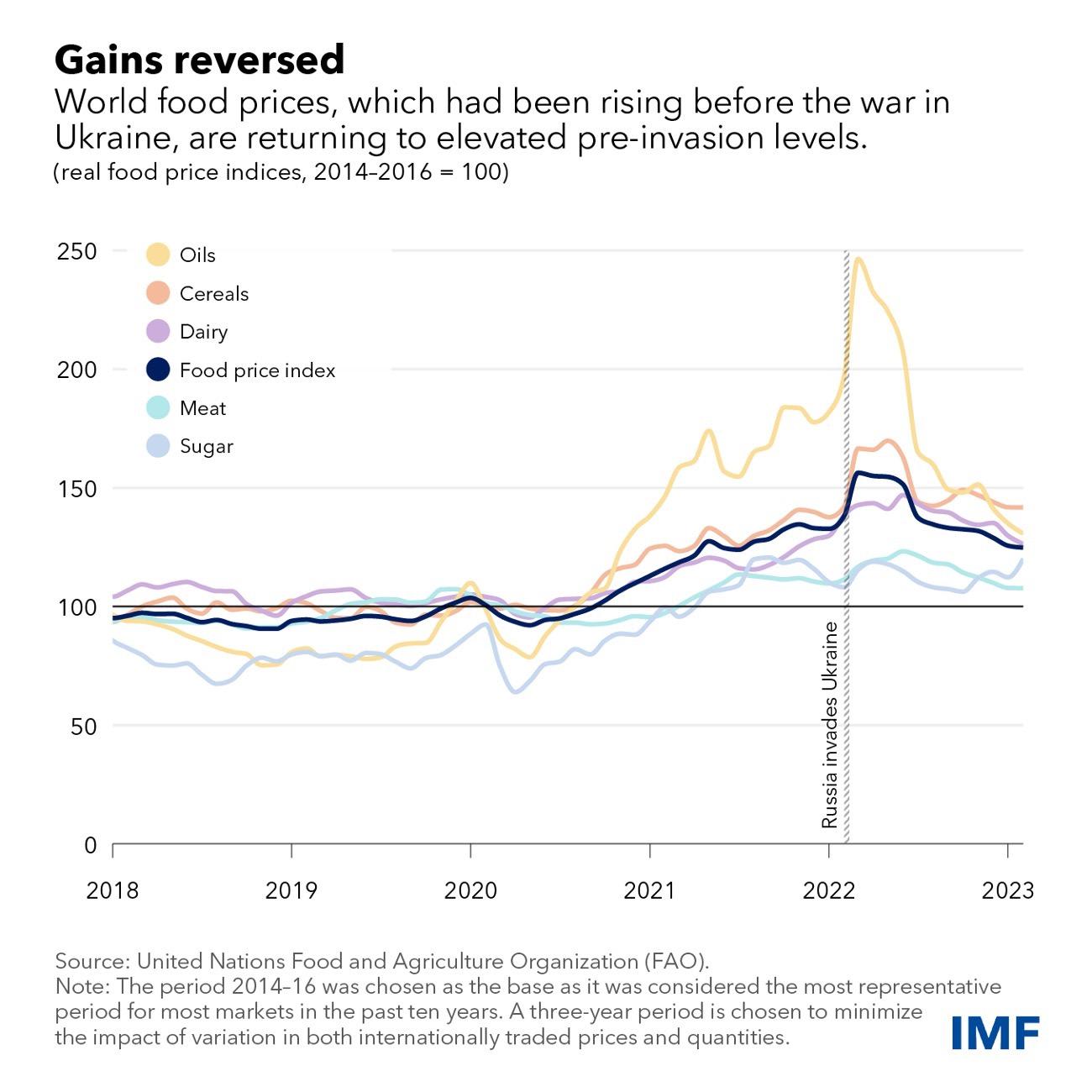
The Russia-Ukraine War: A Global Food Shock
One of the clearest examples occurred after Russia invaded Ukraine in 2022.
Before the war:
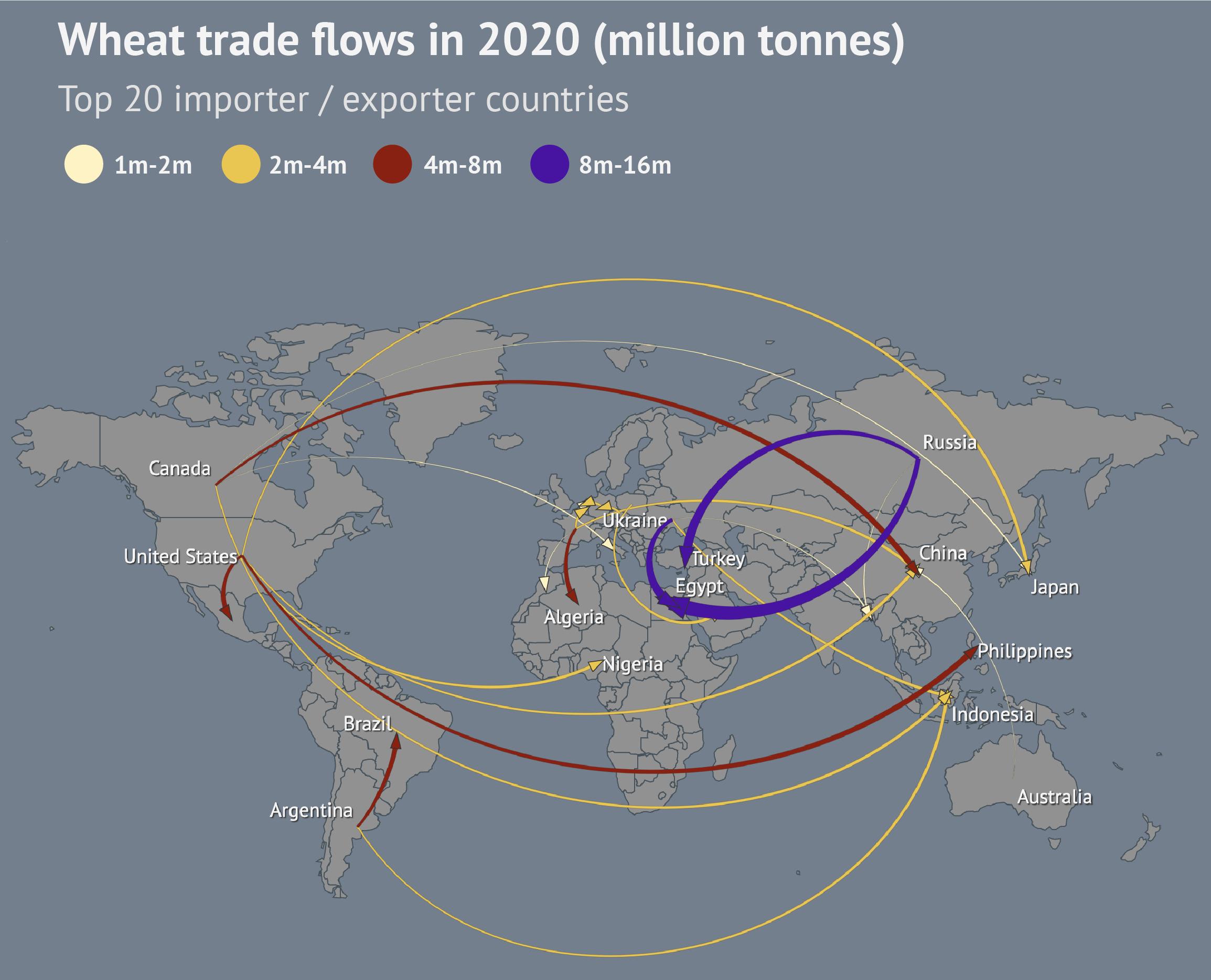
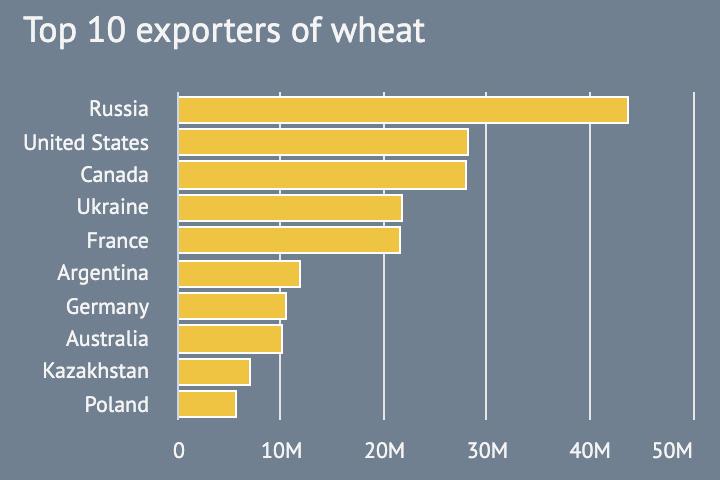
- Russia and Ukraine accounted for roughly 30% of global wheat exports.
- They supplied nearly 20% of global maize exports.
- Together they represented more than 50% of global sunflower oil exports.
As fighting disrupted farming operations, ports, and shipping routes, food markets reacted immediately.
According to the World Bank, global food prices reached record highs in 2022 following the invasion. Wheat prices surged dramatically as countries worried about supply shortages.
For nations dependent on imported grain—particularly in Africa, the Middle East, and parts of Asia—the impact was severe.
Fuel Prices and Food Costs Are Connected
Many people do not realize that food production depends heavily on energy.
Fuel is used for:
- Agricultural machinery
- Irrigation systems
- Food processing
- Refrigeration
- Transportation
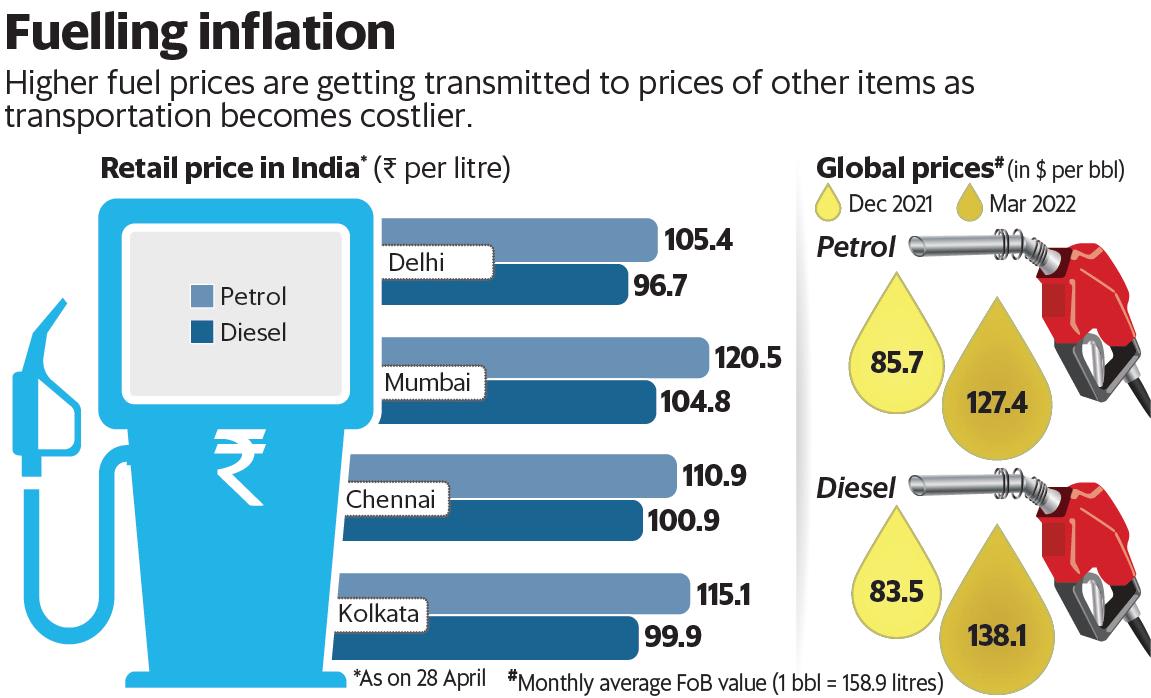
When wars push oil prices higher, food becomes more expensive to produce and deliver.
For example, after Russia's invasion of Ukraine, Brent crude oil briefly rose above $120 per barrel, increasing transportation and logistics costs across global supply chains.
Even if a country imports little food from a conflict zone, it can still experience higher food prices due to rising fuel costs.
Fertilizer Shortages Can Raise Food Prices
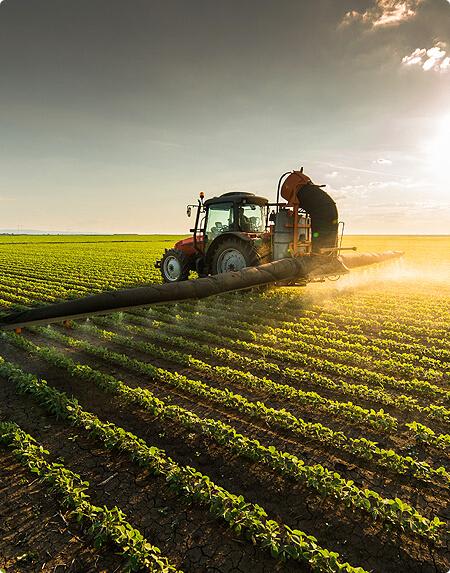
Wars can also disrupt fertilizer supplies.
Russia and Belarus are major exporters of fertilizers and fertilizer components, including potash and nitrogen-based products.
When sanctions, trade restrictions, or transportation problems reduce fertilizer availability, farmers face higher costs.
Some farmers respond by:
- Using less fertilizer
- Planting fewer crops
- Switching to lower-cost alternatives
These decisions can reduce agricultural output and contribute to higher food prices months later.
The Food and Agriculture Organization (FAO) warned that fertilizer disruptions following the Russia-Ukraine conflict posed long-term risks to global food security.
The Middle East and Food Inflation
The Middle East is another region that plays a critical role in global food prices.
While the region is not a major agricultural exporter, it is essential to global energy markets.
Conflicts involving Iran, the Persian Gulf, or the Strait of Hormuz can affect:
- Oil prices
- Shipping costs
- Insurance premiums for cargo vessels
The Strait of Hormuz handles a significant portion of the world's oil trade.
Any disruption there can trigger higher fuel prices, which eventually affect food production and transportation costs worldwide.
For countries like India, which import large amounts of energy, this can contribute to inflation in everyday goods.
Shipping Routes Matter More Than Ever
Modern food systems depend on efficient global transportation.
Wars can disrupt major shipping routes through:
- Naval blockades
- Security risks
- Port closures
- Increased insurance costs
The disruption of Ukrainian Black Sea ports during the Russia-Ukraine war is a prime example.
Millions of tonnes of grain that would normally reach global markets became difficult to export, creating uncertainty and pushing prices higher.
Similarly, attacks on commercial shipping in strategic waterways can increase freight costs for food and agricultural products.
Why Developing Countries Are Hit Hardest
Higher food prices affect everyone, but developing countries often suffer the most.
In many lower-income economies:
- Food represents a larger share of household spending.
- Governments have fewer resources for subsidies.
- Consumers have less financial flexibility.
According to the United Nations, food inflation can increase poverty, worsen malnutrition, and create social instability.
When food becomes unaffordable, the consequences extend beyond economics and can become humanitarian crises.
How Wars Affect India
India is relatively self-sufficient in several major food categories, but it is not immune to global shocks.
Wars can affect India through:
- Higher fuel prices
- Increased fertilizer costs
- Rising transportation expenses
- Inflationary pressure on food products
For example, global fertilizer price spikes following the Russia-Ukraine conflict increased subsidy burdens for the Indian government.
Similarly, higher crude oil prices contributed to rising costs across multiple sectors of the economy.
As a result, geopolitical conflicts can indirectly influence the price of vegetables, grains, dairy products, and packaged foods in Indian markets.
Can Governments Reduce the Impact?
Governments often use several tools to limit food inflation during global crises:
- Strategic food reserves
- Export controls
- Import diversification
- Consumer subsidies
- Emergency food assistance
However, these measures can only partially offset major disruptions.
Long-term food security increasingly depends on resilient supply chains and stable international trade networks.
The Future: Food Security and Geopolitics
The relationship between food and geopolitics is becoming increasingly important.
Climate change, population growth, supply-chain vulnerabilities, and geopolitical tensions are creating new challenges for food systems worldwide.
Many governments now view food security as a national security issue.
This means future conflicts could continue to influence food prices even more than they do today.
Conclusion
Wars affect much more than battlefields.
They can disrupt agricultural production, raise fuel costs, increase fertilizer prices, and interfere with global trade routes. These disruptions eventually reach consumers in the form of higher grocery bills and food inflation.
The Russia-Ukraine war showed how a conflict involving major agricultural exporters can shake global food markets. Meanwhile, tensions in energy-producing regions such as the Middle East demonstrate how fuel prices can influence food costs worldwide.
In an interconnected world, the price of bread, cooking oil, or vegetables may be affected by events occurring thousands of kilometers away. Understanding this connection helps explain why geopolitics has become an increasingly important factor in the food prices people pay every day.
Conflicts in the Middle East can also impact food prices by disrupting energy supplies and increasing transportation costs.