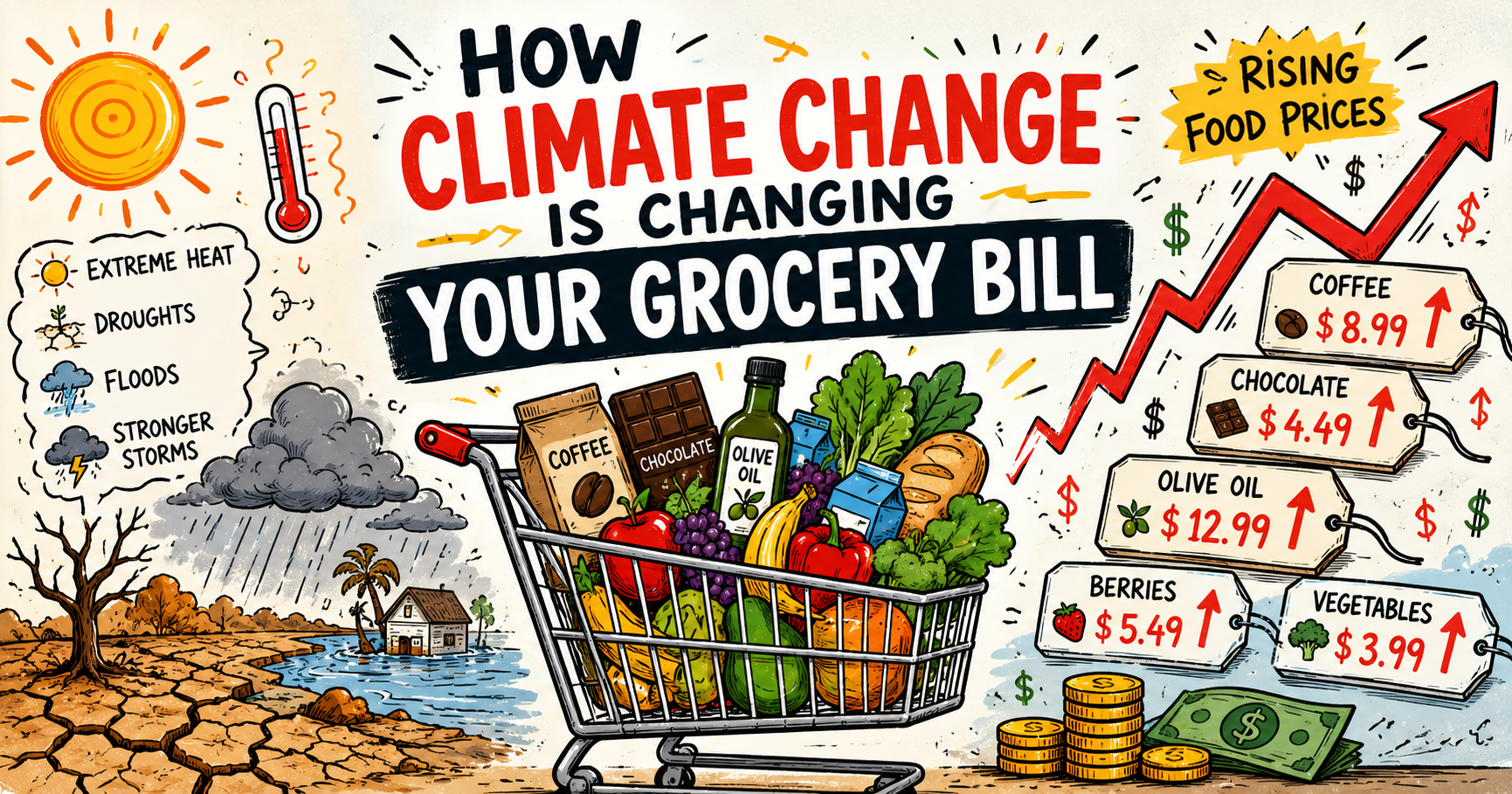

If your grocery bill feels higher than it did a few years ago, you're not imagining it. While inflation gets much of the blame, another powerful force is quietly reshaping food prices around the world: climate change.
Have you noticed that your grocery bill feels noticeably higher than it did a few years ago?
Whether you're buying coffee, chocolate, fruits, vegetables, or even olive oil, many everyday foods are becoming more expensive. While inflation often gets the blame, there's another powerful factor affecting what you pay at the checkout counter: climate change.
Extreme weather events, changing rainfall patterns, prolonged droughts, and rising temperatures are disrupting food production around the world. As crops become harder to grow and harvests become less predictable, consumers are seeing the effects directly in their grocery bills.
Here's how climate change is reshaping the food system—and why your weekly shopping trip may continue to get more expensive.
Why Climate Change Affects Food Prices
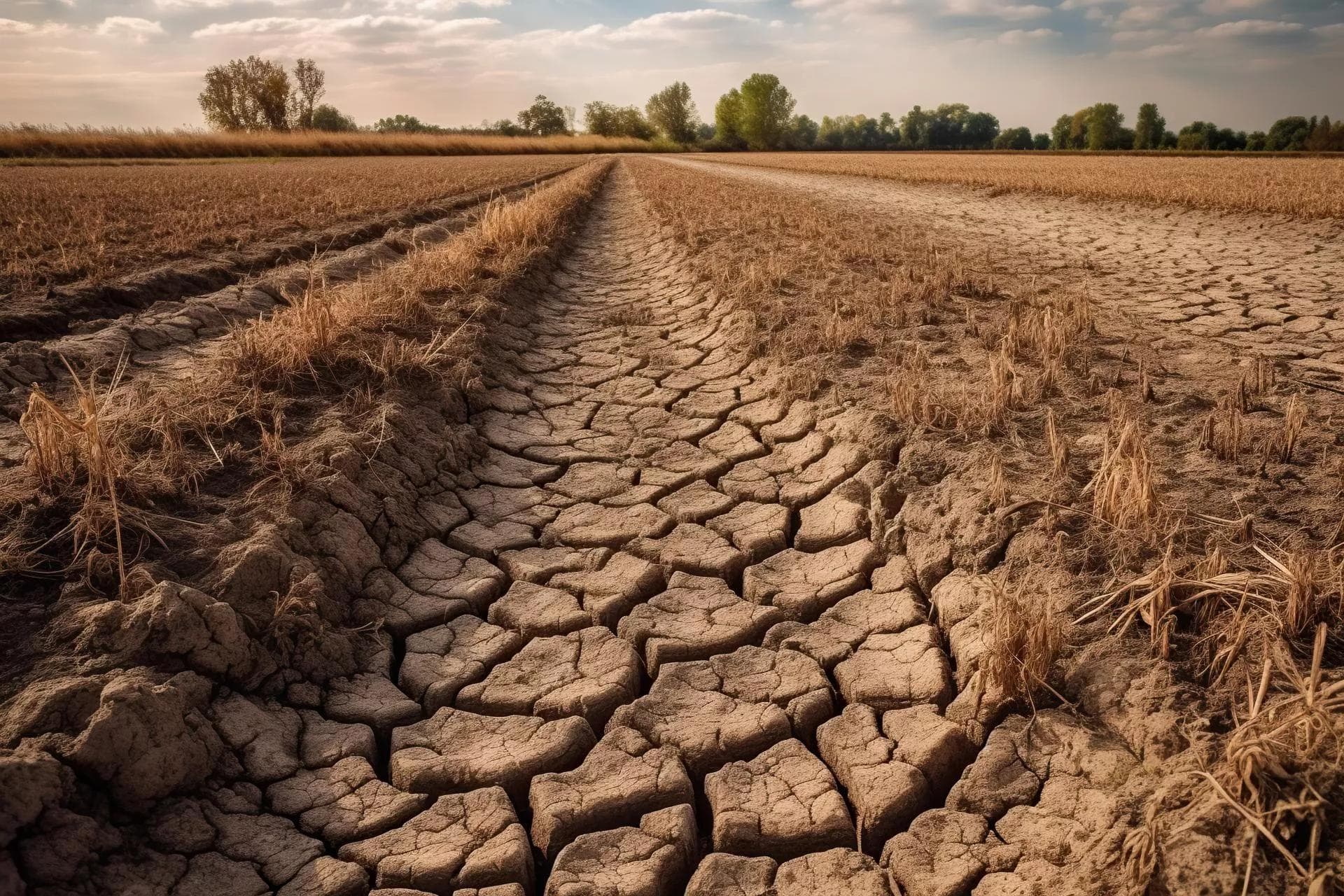
Food production depends heavily on stable weather conditions.
Farmers need predictable rainfall, moderate temperatures, and healthy soil to grow crops successfully. Climate change is making these conditions increasingly difficult to maintain.
Today, farmers face:
- More frequent droughts
- Intense heat waves
- Unpredictable rainfall
- Flooding events
- Stronger storms
- Increased pest and disease outbreaks
When crops fail or yields decline, supply drops while demand remains relatively stable. The result is often higher food prices.
In simple terms, when nature produces less food, consumers pay more for what's available.
The Foods Climate Change Is Making More Expensive
Some foods are already feeling the effects more than others.
1. Coffee
Coffee lovers have experienced significant price increases in recent years.
Major coffee-producing countries such as Brazil and Vietnam have faced severe weather challenges, including droughts and unusual temperature fluctuations. These conditions can reduce coffee yields and affect bean quality.
As climate conditions become less predictable, coffee prices may continue to rise.
For many consumers, that daily cup of coffee is becoming a more expensive habit.
2. Chocolate
Chocolate is another food category under pressure.
Cocoa trees thrive under specific environmental conditions, primarily in West African countries such as Ghana and Ivory Coast.
Rising temperatures, changing rainfall patterns, and crop diseases have made cocoa production more difficult. Combined with growing global demand, these challenges have contributed to higher chocolate prices worldwide.
Premium chocolate products have been particularly affected.
3. Olive Oil

Olive oil has experienced some of the most dramatic price increases in recent years.
Countries such as Spain, Italy, and Greece have faced extreme heat and prolonged drought conditions that reduced olive harvests.
Lower production levels have pushed prices upward, making olive oil a noticeably more expensive pantry staple.
4. Fruits and Vegetables
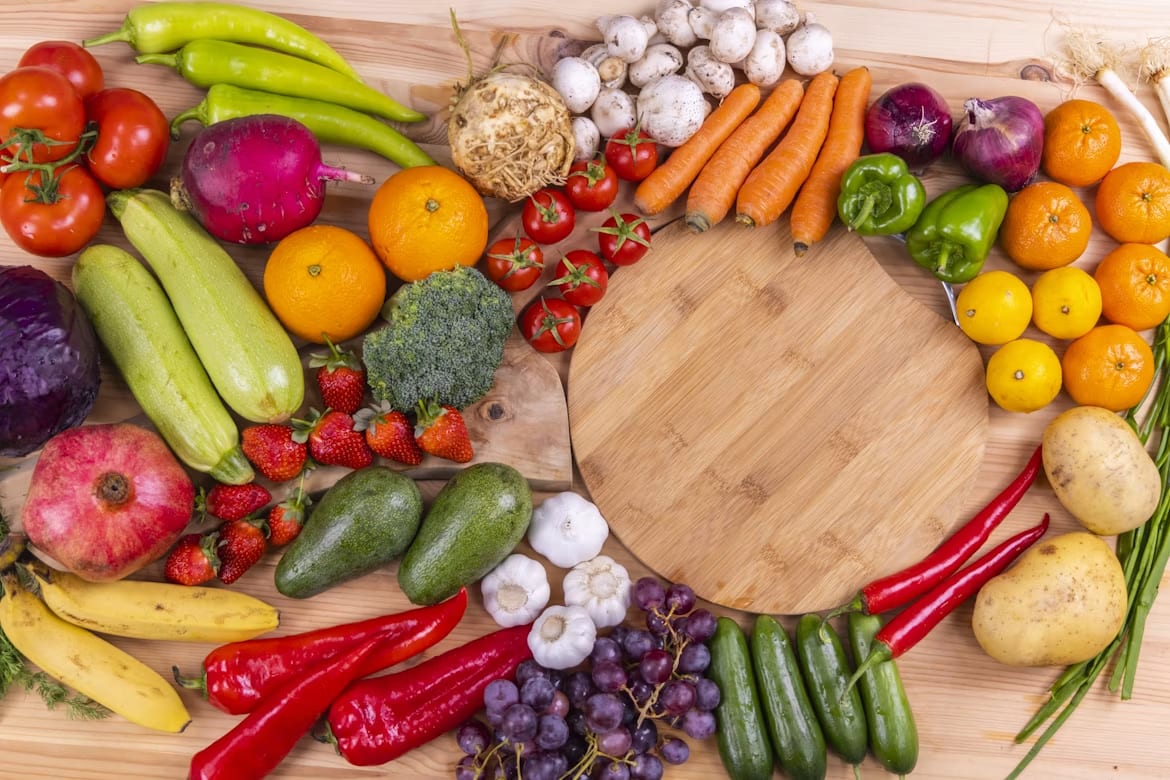
Fresh produce is highly sensitive to weather conditions.
Heat waves, floods, droughts, and unexpected frosts can destroy crops or significantly reduce yields.
Foods frequently impacted include:
- Lettuce
- Tomatoes
- Strawberries
- Citrus fruits
- Grapes
- Avocados
Price fluctuations often occur when weather events damage major growing regions.
5. Rice
Rice is a staple food for billions of people worldwide.
However, changing weather patterns are creating challenges for rice-producing regions across Asia.
Floods, droughts, and shifting monsoon seasons can disrupt production and contribute to higher market prices.
Given rice's importance to global food security, even small disruptions can have widespread effects.
6. Seafood
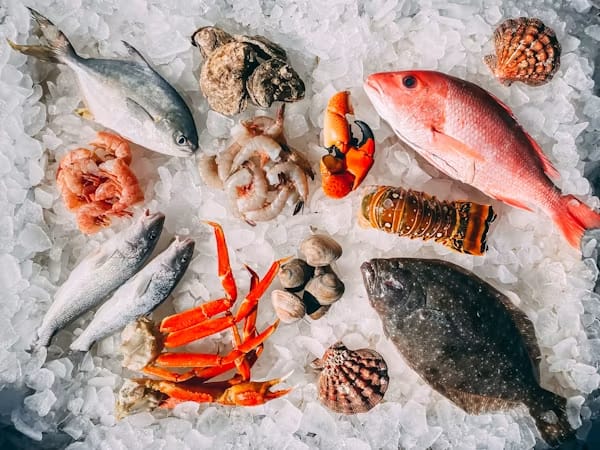
Climate change doesn't only affect farms, it also affects oceans.
Rising ocean temperatures and changing marine ecosystems are impacting fish populations and seafood availability.
Some species are moving to different waters, while others face population declines.
These changes can influence seafood prices and availability in supermarkets and restaurants alike.
Beyond Food Prices: Supply Chain Challenges
Climate change affects more than crops.
Extreme weather events can damage:
- Roads
- Rail networks
- Ports
- Storage facilities
- Transportation infrastructure
Even when crops are successfully harvested, getting them to consumers can become more expensive.
These additional costs often work their way into retail food prices.
How Farmers Are Adapting
Despite these challenges, farmers and agricultural experts are finding innovative ways to adapt.
1. Drought-Resistant Crops
Researchers are developing crop varieties that require less water and can tolerate hotter conditions.
2. Precision Agriculture
Modern technology helps farmers monitor soil conditions, weather patterns, and crop health more efficiently.
3. Greenhouse Farming
Controlled growing environments can protect crops from extreme weather events.
4. Sustainable Farming Practices
Many farms are adopting practices that improve soil health and water conservation.
These innovations may help reduce some climate-related risks in the future.
What This Means for Consumers
Most consumers can't control the weather, but there are practical ways to manage rising food costs.
1. Buy Seasonal Produce
Seasonal fruits and vegetables are often more affordable because they are readily available.
2. Reduce Food Waste
Planning meals carefully can help maximize every grocery purchase.
3. Consider Local Products
Local foods may be less vulnerable to global supply chain disruptions.
4. Stay Flexible
Being open to substitutions can help when certain products experience sudden price spikes.
5. Focus on Value
Comparing prices and purchasing strategically can reduce the impact of food inflation.
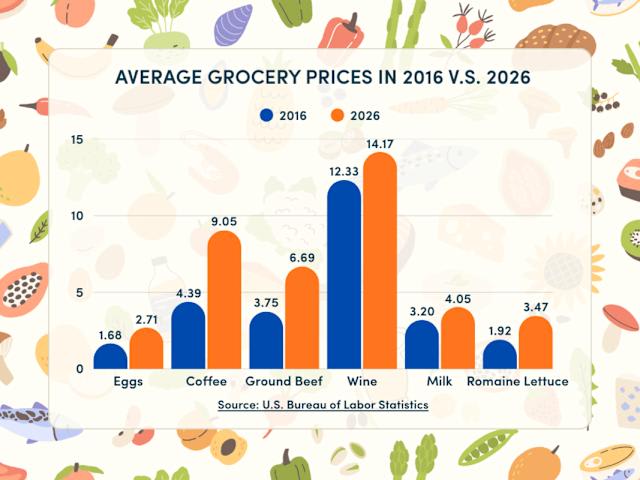
Could Groceries Get Even More Expensive?
Many experts believe climate-related pressures on agriculture will continue in the coming decades.
As weather events become more frequent and severe, food production may face additional challenges.
This doesn't mean every grocery item will become dramatically more expensive overnight. However, consumers may continue to experience periodic price increases and supply disruptions for climate-sensitive products.
Foods that depend on specific growing conditions—such as coffee, cocoa, and olives—may remain particularly vulnerable.
The Bigger Picture
Climate change often feels like a distant issue discussed in scientific reports and international conferences.
But its effects are increasingly showing up in everyday life.
When coffee prices rise, chocolate becomes more expensive, or fresh produce costs more at the supermarket, many consumers are experiencing the economic impact of climate change firsthand.
Your grocery bill may be one of the most visible reminders that environmental changes can have real-world financial consequences.
Final Thoughts
Climate change is no longer just an environmental issue—it's becoming an economic one as well.
From coffee and chocolate to olive oil and fresh produce, changing weather patterns are influencing the cost of many foods we buy every week.
While innovation and adaptation may help reduce some of these challenges, consumers are likely to continue seeing the effects of climate change in their grocery bills for years to come.
Understanding the connection between climate and food prices can help shoppers make informed decisions and better prepare for a changing food landscape.