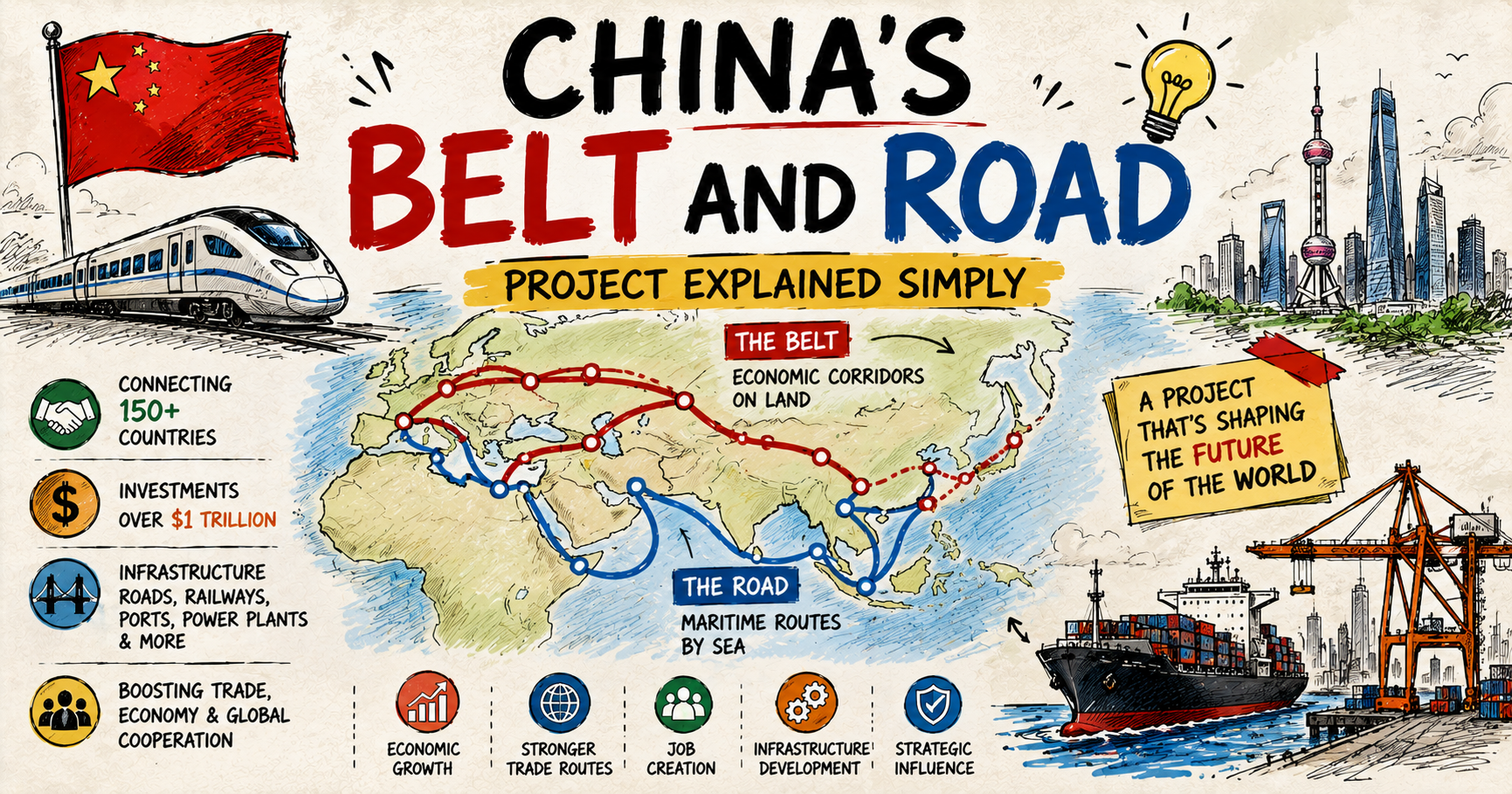

Over the last decade, China has quietly launched one of the most ambitious global projects in modern history.
It is called the Belt and Road Initiative-often shortened to BRI.
At first glance, it looks like a massive infrastructure and trade program.
But in reality, it is much bigger than roads, railways, and ports.
The project is helping China expand its economic influence, strengthen global trade connections, secure strategic partnerships, and increase political power across multiple continents.
Supporters call it a development revolution.
Critics call it a geopolitical strategy disguised as investment.
Either way, the Belt and Road Initiative has become one of the most important global projects of the 21st century.
What Exactly Is the Belt and Road Initiative?
The Belt and Road Initiative was launched by Chinese President Xi Jinping in 2013.
The idea was simple:
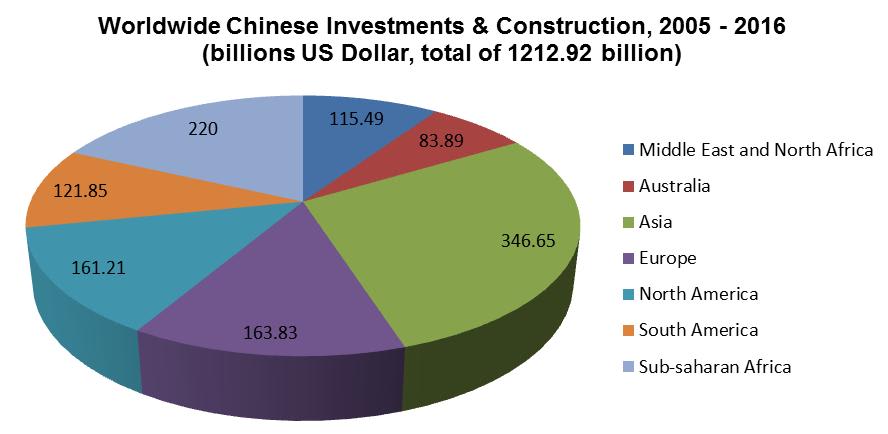
China would invest heavily in infrastructure projects across Asia, Africa, Europe, and parts of Latin America to improve trade routes and economic connectivity.
The initiative includes:
- highways
- railways
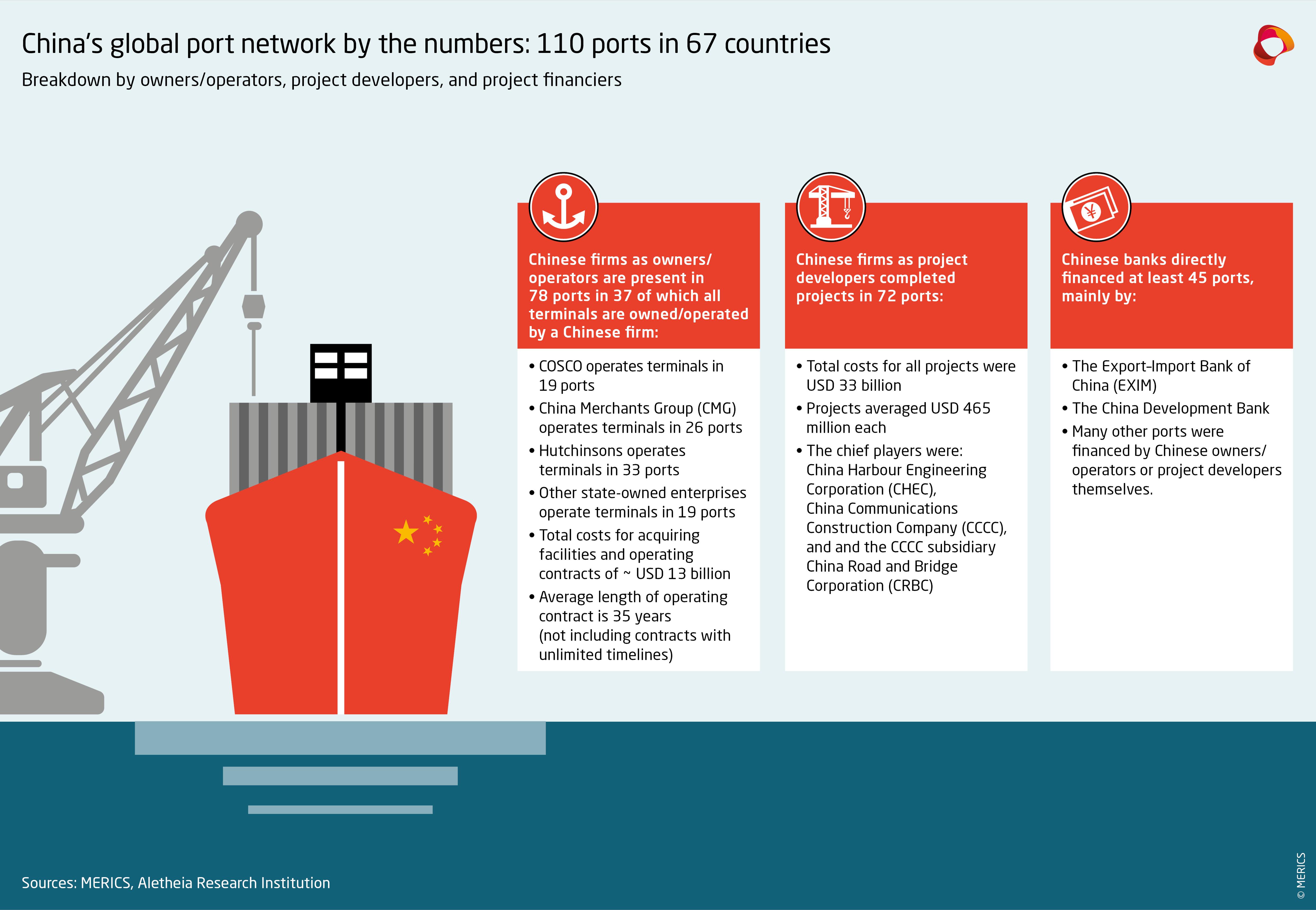
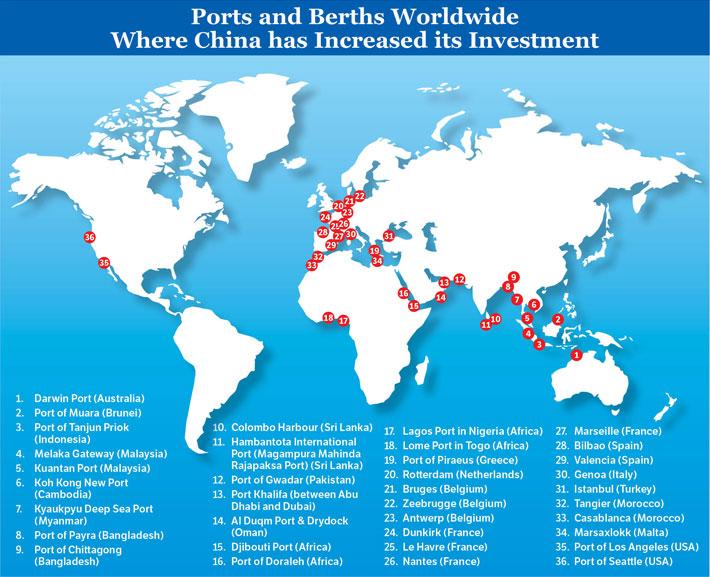
- ports
- pipelines
- power plants
- industrial zones
- digital infrastructure
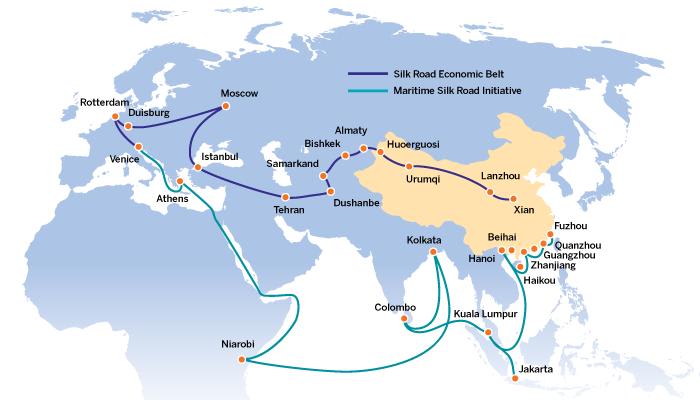
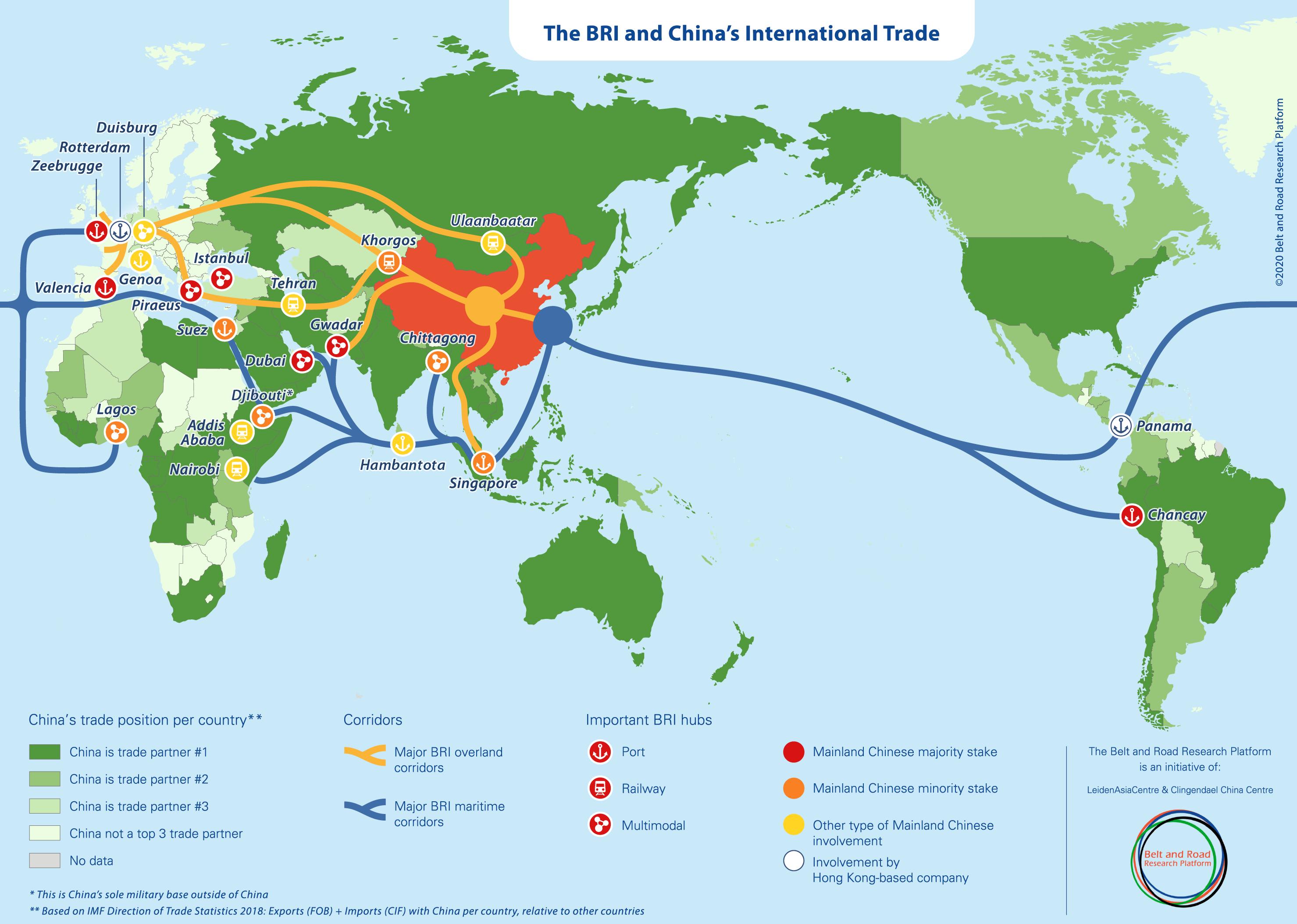
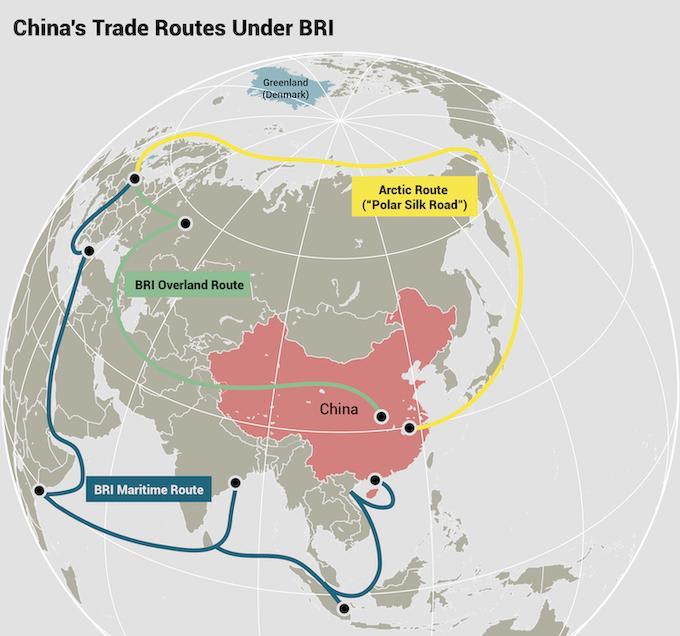
The “Belt” refers to land-based trade routes connecting China to Europe and Asia.
The “Road” refers to maritime shipping routes linking China to global markets through oceans and ports.
Despite the name, the project is not just one road or one route.
It is a huge network of international investments spread across the world.
How Big Is the Project?
The scale of the Belt and Road Initiative is enormous.
According to multiple international estimates:
- over 150 countries have participated in BRI-related projects
- total projected investments have crossed $1 trillion
- projects span Asia, Africa, the Middle East, Europe, and Latin America
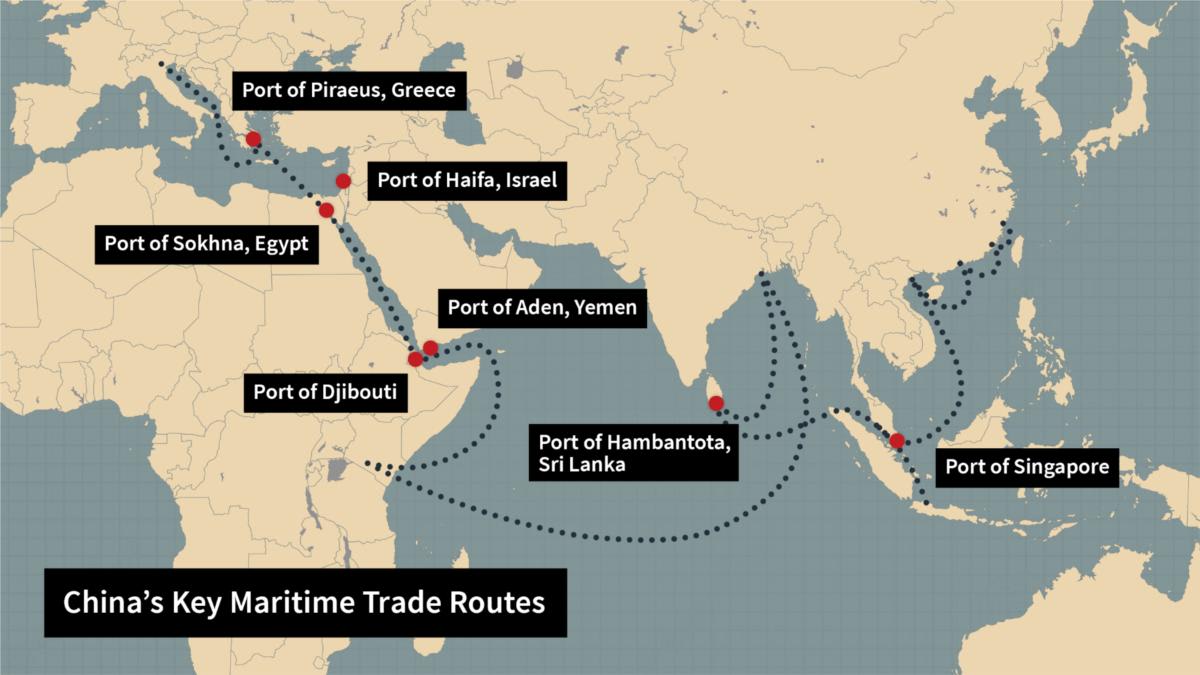
China has financed:
- ports in Pakistan and Sri Lanka
- rail networks in Africa
- highways in Central Asia
- energy projects in the Middle East
- industrial corridors across developing economies
Few countries in modern history have attempted infrastructure expansion at this scale internationally.
Why Is China Doing This?
China’s motivations are both economic and geopolitical.
1. Expanding Global Trade
China is the world’s largest manufacturing economy.
To keep exports flowing smoothly, it needs:
- stable shipping routes
- faster transportation networks
- stronger trade partnerships
By building ports, railways, and logistics systems abroad, China improves access to global markets.
2. Increasing Political Influence
Infrastructure creates influence.
Countries receiving Chinese investment often develop closer economic ties with Beijing.
This increases China’s diplomatic reach in global politics.
In some regions, Chinese infrastructure projects have expanded Beijing’s influence faster than traditional military power ever could.
3. Securing Energy and Supply Chains
China imports massive amounts of oil, gas, and raw materials.
The Belt and Road Initiative helps diversify trade routes and reduce dependence on vulnerable chokepoints like the South China Sea.
This is especially important during geopolitical tensions.
Why Some Countries Support the Project
Many developing nations welcomed BRI investments because infrastructure is expensive.
China often offers:
- large loans
- rapid construction
- fewer political conditions compared to Western institutions
For countries struggling with development:
- new highways improve trade
- ports increase shipping capacity
- railways boost transportation
- energy projects expand electricity access
Some governments see BRI as an opportunity for economic growth that Western countries did not provide at the same scale.
Why Critics Are Concerned
The project has also faced major criticism internationally.
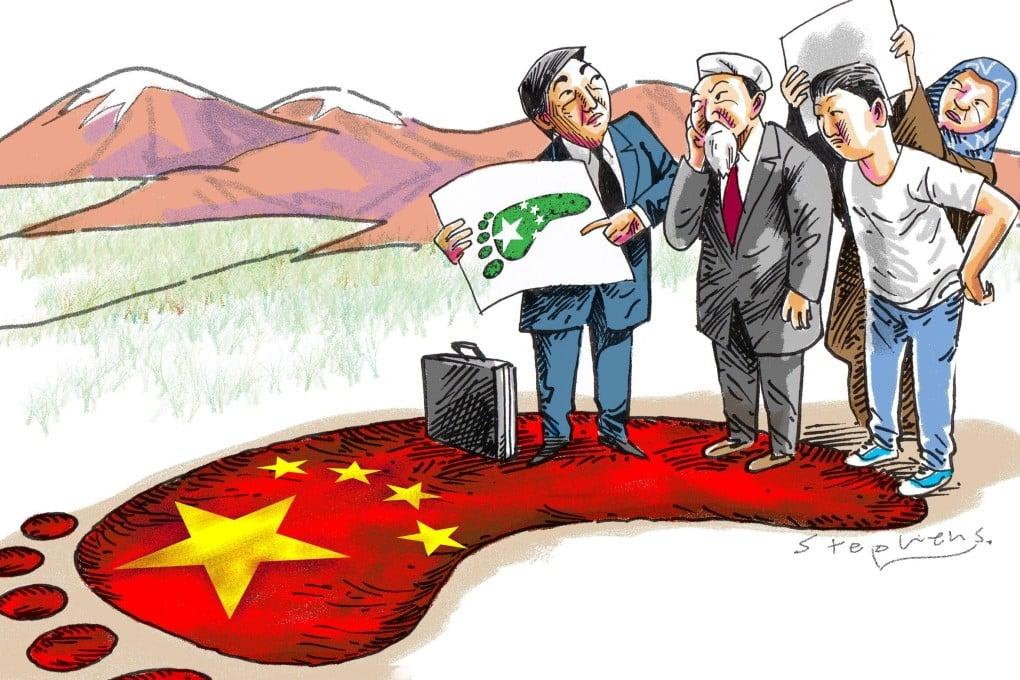
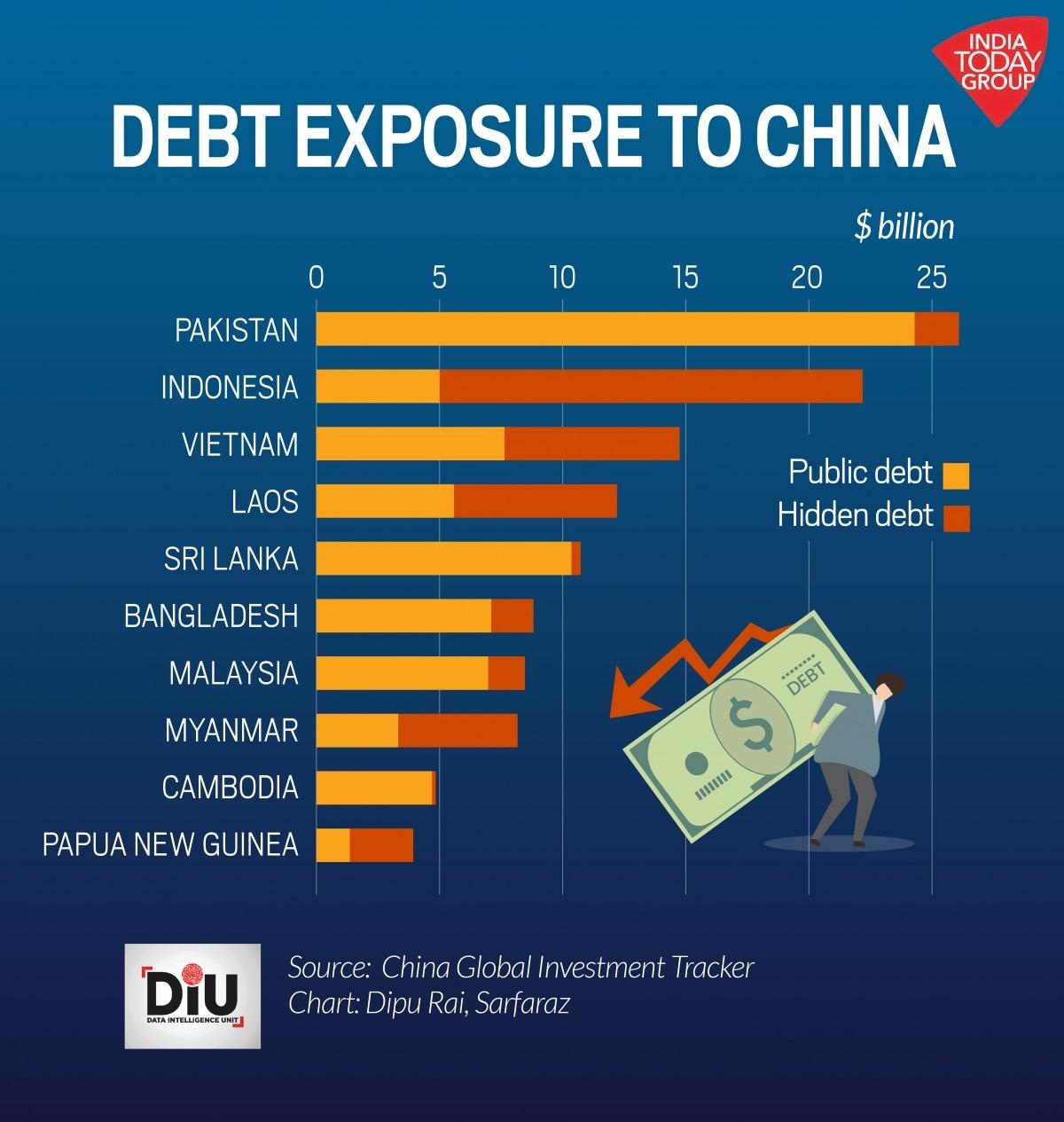
One of the biggest concerns involves debt.
Some countries borrowed heavily from Chinese lenders for infrastructure projects and later struggled to repay loans.
Critics argue this can create long-term economic dependence on China.
The most discussed example is Sri Lanka’s Hambantota Port.
After financial difficulties, Sri Lanka leased the port to a Chinese company for 99 years, raising fears about strategic control and “debt diplomacy.”
China strongly rejects accusations of creating debt traps, arguing that BRI projects support development and economic modernization.
Still, concerns remain about:
- transparency
- loan sustainability
- political influence
- environmental impact
The Belt and Road Is Also About Global Power
The Belt and Road Initiative is not only economic.
It is also deeply geopolitical.
As China expands infrastructure across continents, it also expands:
- diplomatic relationships
- trade dependence
- strategic influence
This is one reason the United States and several Western countries view BRI cautiously.
Many analysts see the project as part of a broader competition between China and the West for global influence.
The initiative connects directly to:
- global trade routes
- energy security
- supply chains
- technology infrastructure
- geopolitical alliances
In many ways, BRI reflects China’s ambition to become the central economic power of the modern world.
How the Project Changed Global Politics
The Belt and Road Initiative changed how countries think about globalization.
For decades, major international development projects were largely influenced by Western institutions like:
- the World Bank
- IMF
- Western governments
China introduced a different model:
- faster financing
- state-driven investment
- infrastructure-first diplomacy
This gave many countries an alternative source of funding and partnerships.
It also accelerated the rise of a more multipolar world order.
India Has Been Cautious About BRI
India has remained one of the major countries skeptical of the initiative.
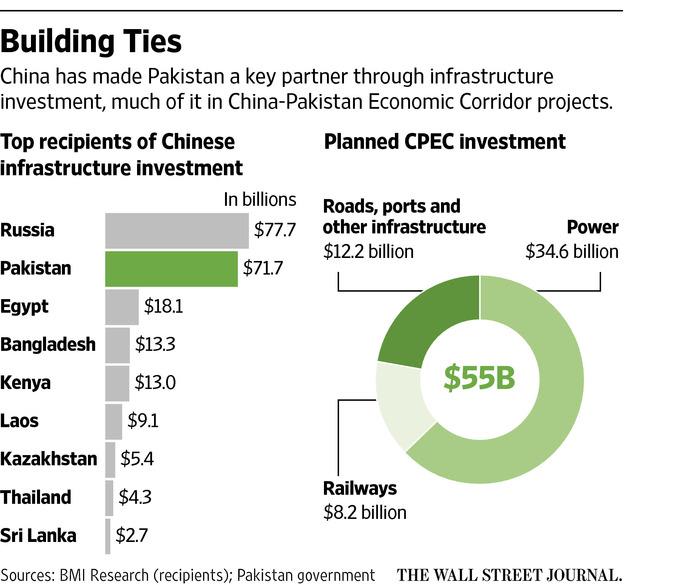
One key reason is the China-Pakistan Economic Corridor (CPEC), a major BRI project passing through disputed territory claimed by India.
Indian policymakers also worry about:
- strategic encirclement
- Chinese influence in the Indian Ocean
- regional security implications
As a result, India has avoided officially joining the Belt and Road Initiative.
Is the Belt and Road Initiative Successful?
The answer depends on who you ask.
Supporters point to:
- improved infrastructure
- increased connectivity
- economic growth opportunities
Critics point to:
- rising debt burdens
- stalled projects
- political influence concerns
The reality is probably somewhere in between.
Some projects have transformed regional economies.
Others faced financial or political problems.
But regardless of debates, one fact is clear:
The Belt and Road Initiative has already changed global geopolitics permanently.
Why the World Is Still Watching BRI Closely
The Belt and Road Initiative is ultimately about much more than infrastructure.
It represents:
- China’s rise as a global power
- competition with the West
- control over trade routes
- economic influence
- geopolitical strategy
That is why governments, investors, and global institutions continue watching the project so closely.
Because in today’s world, roads and ports are no longer just about transportation.
They are also about power.
China’s Belt and Road investments also align with the growing influence of BRICS nations in reshaping the global economic order.