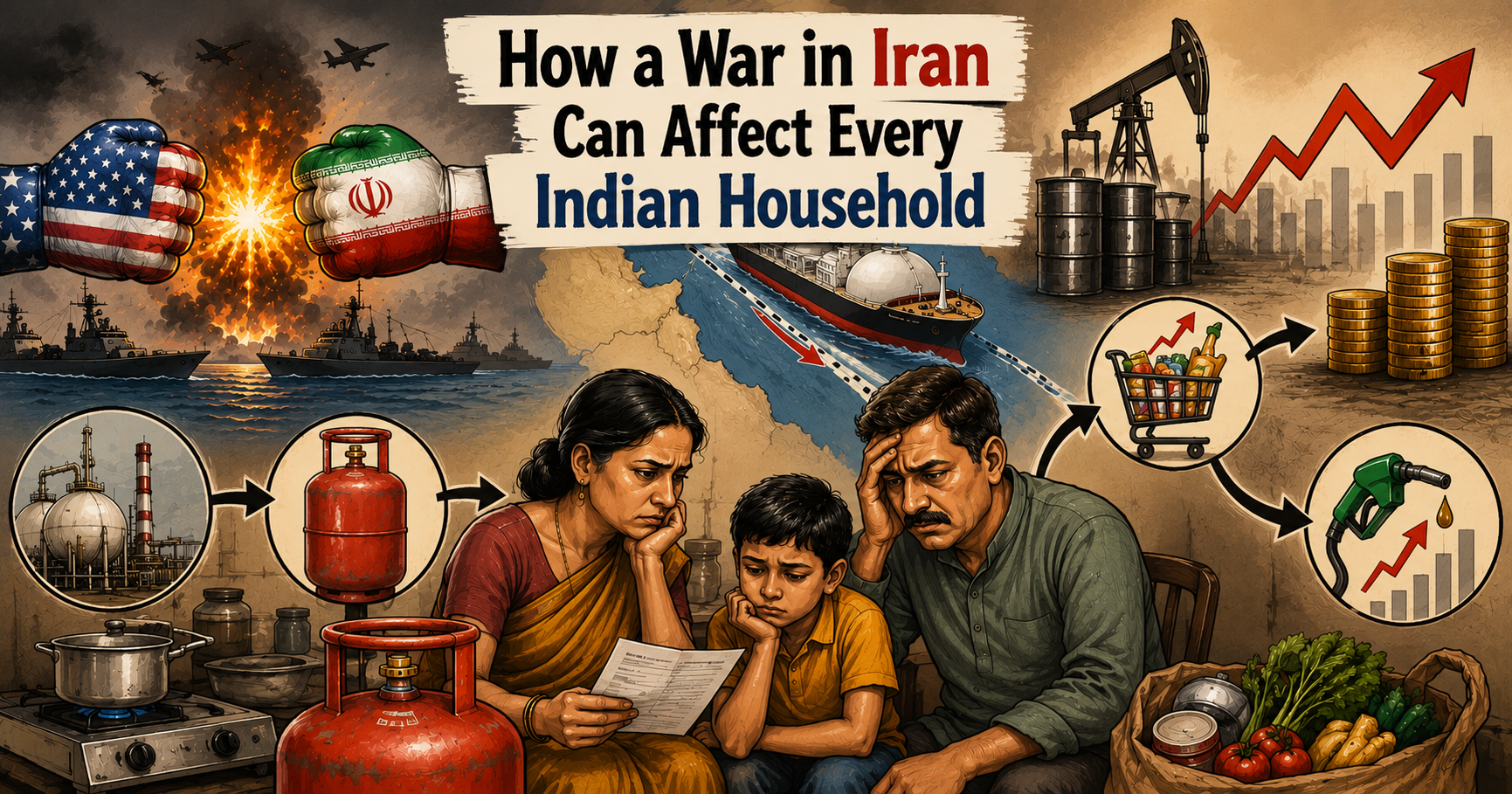

When people hear about conflict in the Middle East, it often feels like a distant problem. The fighting may be happening thousands of kilometers away, but its economic consequences can quickly reach Indian homes.
The recent tensions involving Iran and the United States have demonstrated this reality. Rising energy prices, disruptions in LPG supplies, and concerns over shipping routes have shown how dependent India remains on global energy markets.
The result is a simple but important lesson: a geopolitical crisis abroad can affect everything from the cost of cooking gas to inflation, transport expenses, and economic growth in India.
Why Iran Matters to the Global Economy
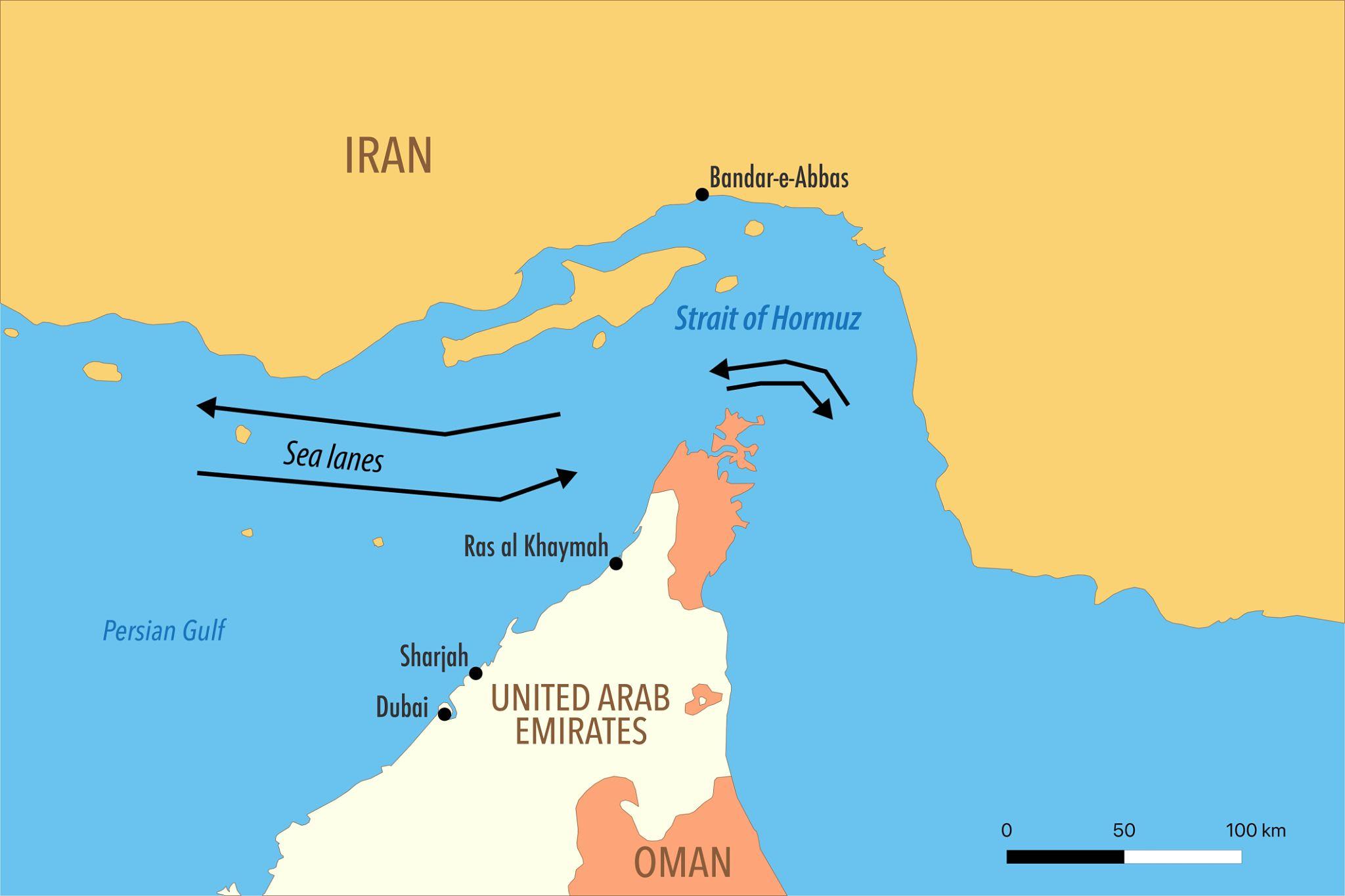
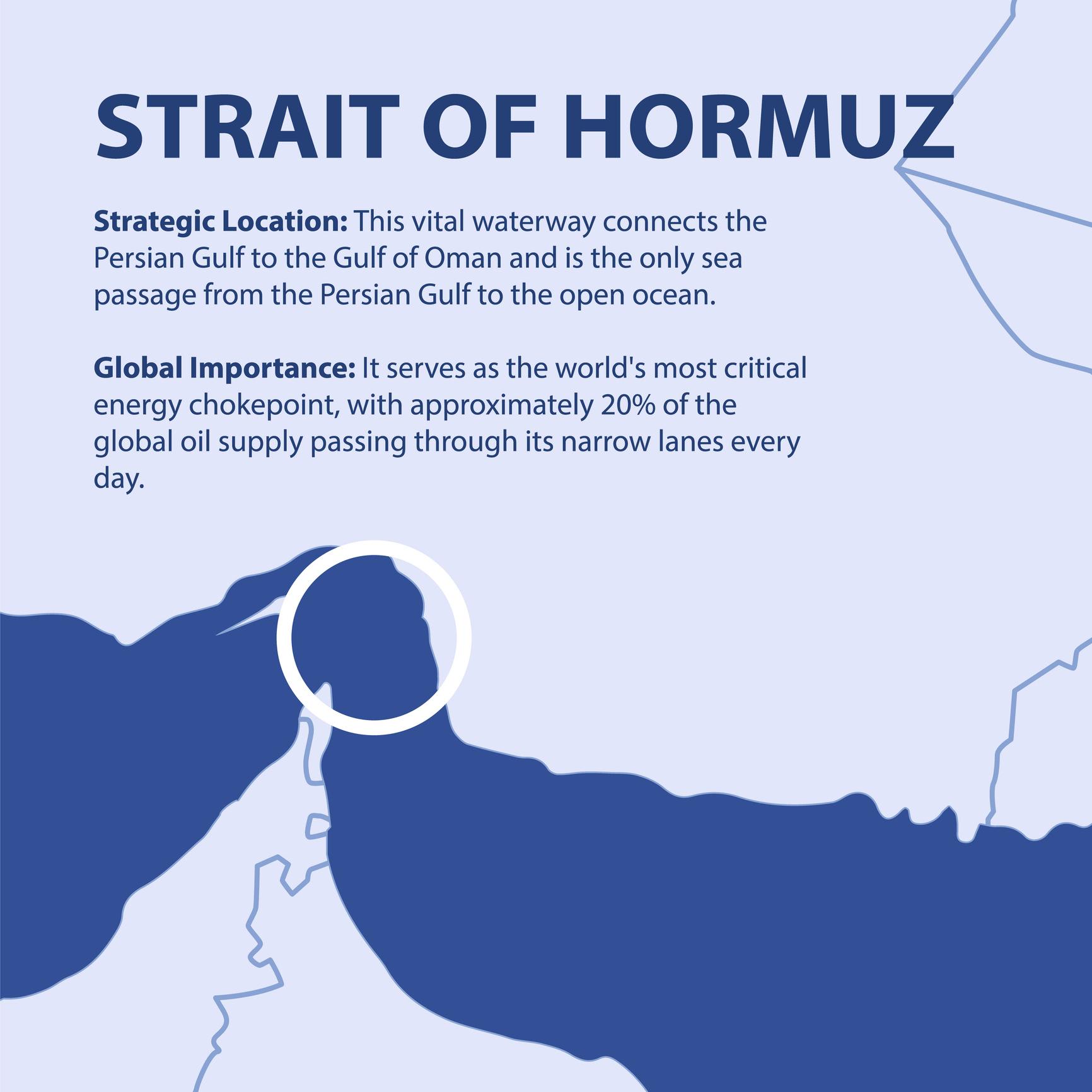
Iran sits near one of the world's most important maritime chokepoints: the Strait of Hormuz.
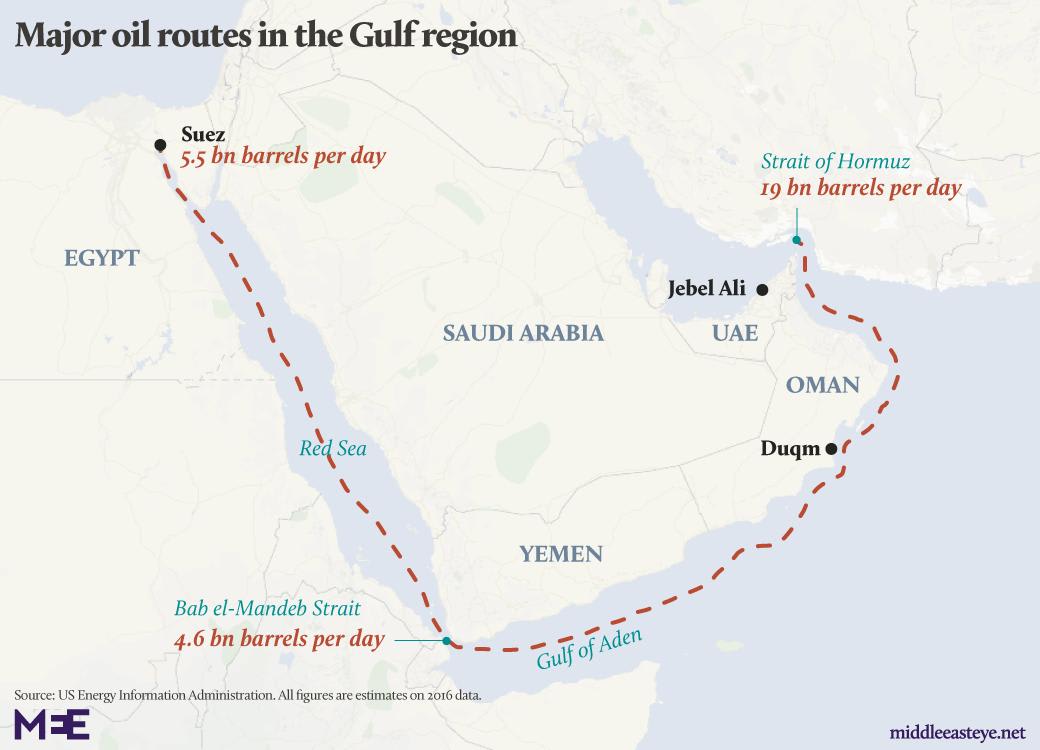
This narrow waterway connects the Persian Gulf to international markets and is a major route for oil, LPG, and LNG shipments. Any disruption in the region can immediately affect global energy supplies. (ET Now)
For India, this matters because the country is one of the world's largest energy importers.
The LPG Crisis That Exposed India's Vulnerability
The Iran-related conflict created one of India's most significant LPG supply disruptions in recent years.
India imports approximately 60% of its LPG requirements, and around 80-90% of those imports traditionally come from the Middle East. (www.ndtv.com)
When shipping routes through the Strait of Hormuz were disrupted, supplies tightened rapidly.
The impact was visible across the country:
- Longer waiting periods for cylinder refills
- Commercial LPG shortages
- Higher transportation costs
- Increased pressure on government subsidies
- Reports of panic buying and supply concerns in several regions (The Times of India)
The crisis highlighted a fact that many Indians were unaware of: cooking gas security is closely tied to events in the Middle East.
The Numbers Tell the Story
India's LPG consumption has grown dramatically over the past decade.
According to recent industry data:
- LPG consumption increased from about 21.6 million tonnes in FY2017 to over 31 million tonnes by FY2025.
- Import dependence remains around 55-60% of total demand.
- Household consumption continues to rise due to expanded LPG access across rural India. (CRISIL)
This means that even small disruptions in international supply chains can affect millions of consumers.
During the crisis, some projections suggested India's LPG imports could fall by nearly 46% month-on-month, creating significant stress on distribution networks. (mint)
Why the Strait of Hormuz Is So Important
Many Indians know about oil imports but are less familiar with the role of shipping routes.
Nearly half of India's crude oil imports and a substantial share of LPG and LNG supplies pass through the Strait of Hormuz. (ET Now)
If conflict escalates in the region:
- Insurance costs for ships rise
- Freight rates increase
- Deliveries get delayed
- Energy prices move higher
Even countries not directly involved in the conflict end up paying more.
This is why geopolitical analysts closely monitor developments in the Gulf.
The Hidden Effect: Inflation
Energy costs rarely stay confined to fuel alone.
When LPG, oil, or natural gas become more expensive:
- Transportation costs rise
- Food prices increase
- Manufacturing becomes costlier
- Fertilizer production becomes more expensive
- Businesses pass costs on to consumers
Reuters recently reported that the conflict-related energy shock could push India's inflation higher while increasing pressure on government finances. Analysts expect inflation and subsidy burdens to rise if disruptions continue. (Reuters)
In other words, a conflict abroad can eventually affect the price of everyday goods in local markets.
Why India Cannot Ignore Geopolitics
The LPG crisis showed that geopolitical events are not just topics for diplomats and world leaders.
They affect:
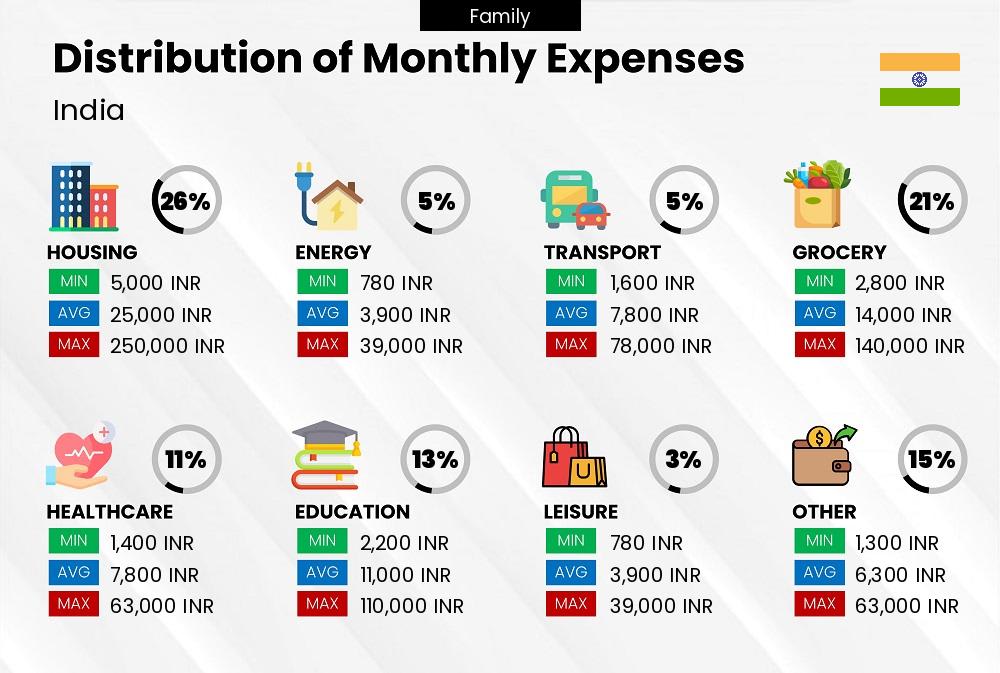
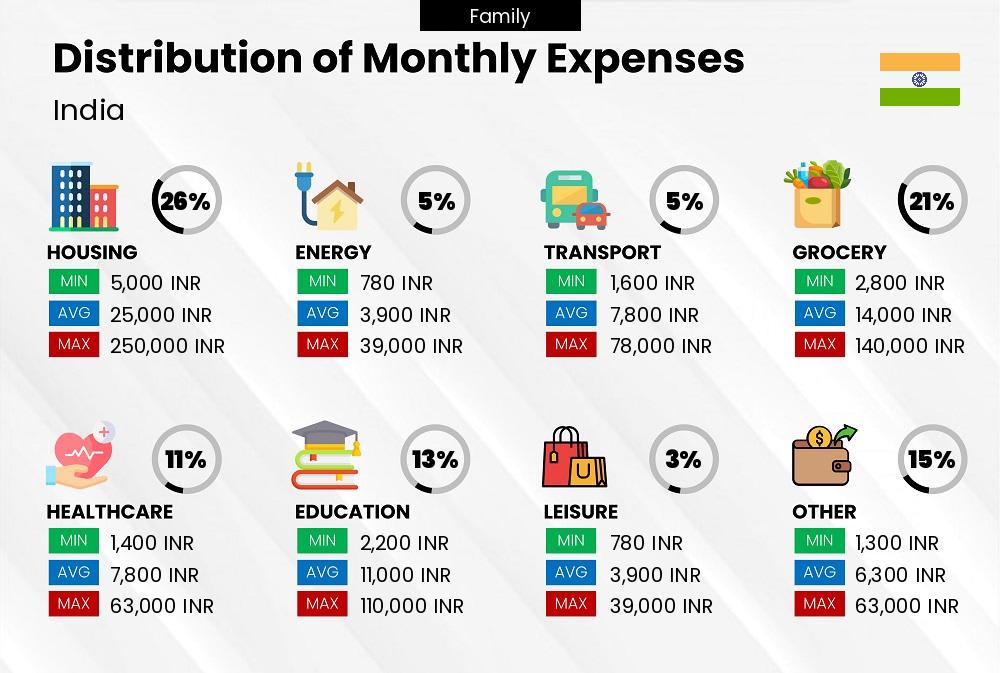
- Household budgets
- Cooking gas availability
- Transport costs
- Inflation
- Economic growth
India's growing economy requires stable access to energy, and that makes international stability particularly important.
Recognizing this risk, India has begun diversifying suppliers. Recent efforts include increasing LPG imports from countries such as the United States and Argentina to reduce dependence on a single region. (www.ndtv.com)
What India Can Learn
The recent crisis exposed several vulnerabilities:
- Heavy dependence on imported LPG.
- Reliance on Middle Eastern shipping routes.
- Limited alternatives during sudden disruptions.
- Growing energy demand from households and businesses.
At the same time, it also encouraged policymakers to focus on:
- Supplier diversification
- Energy security
- Strategic reserves
- Alternative energy sources
These measures could help reduce future risks.
Conclusion
The Iran-related energy disruption was a reminder that globalization connects distant events to everyday life.
A conflict in the Middle East contributed to LPG shortages, higher energy costs, and economic concerns in India because the country's energy security remains closely linked to international markets.
For millions of Indian households, the crisis transformed geopolitics from an abstract concept into a practical reality.
The lesson is simple: in today's interconnected world, wars are no longer fought only on battlefields. Their effects can appear in kitchens, fuel stations, grocery stores, and household budgets thousands of kilometers away. (www.ndtv.com)
This article is roughly 1,300–1,500 words when expanded with images and captions, which is an excellent length for reader engagement and SEO in the geopolitics category.
The recent LPG disruption is another example of how geopolitical tensions can directly influence fuel and energy costs around the world.