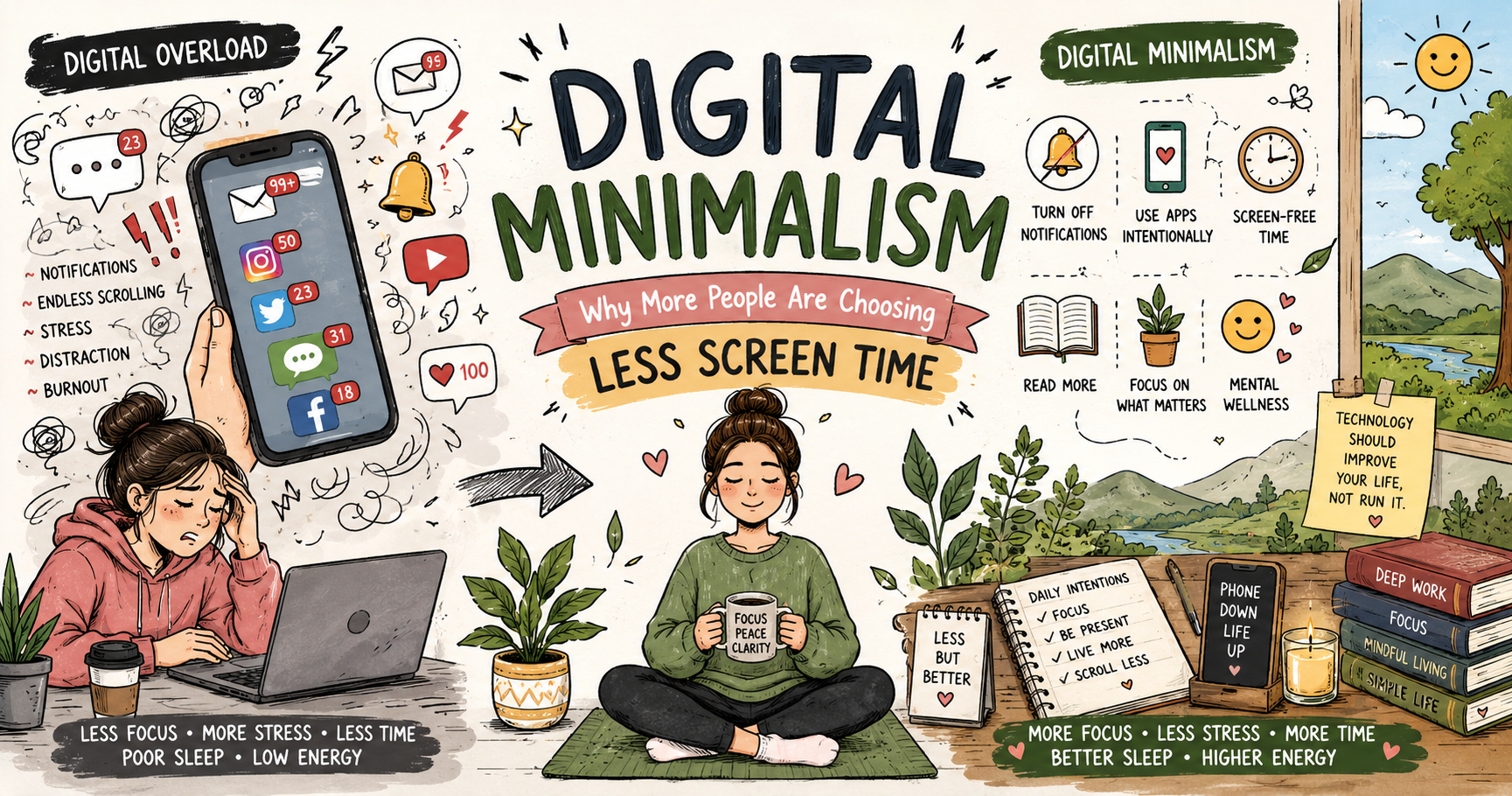

In a world where notifications never stop, social media feeds refresh endlessly, and work messages follow us everywhere, many people are reaching a breaking point. The average person spends hours each day staring at screens, often without realizing how much of their time and attention is being consumed.
As a result, a growing movement known as digital minimalism is gaining momentum. From reducing screen time and deleting unnecessary apps to embracing digital detoxes and intentional technology use, people are rethinking their relationship with technology.
But what exactly is digital minimalism, and why is it becoming one of the biggest lifestyle trends of 2026?
What Is Digital Minimalism?
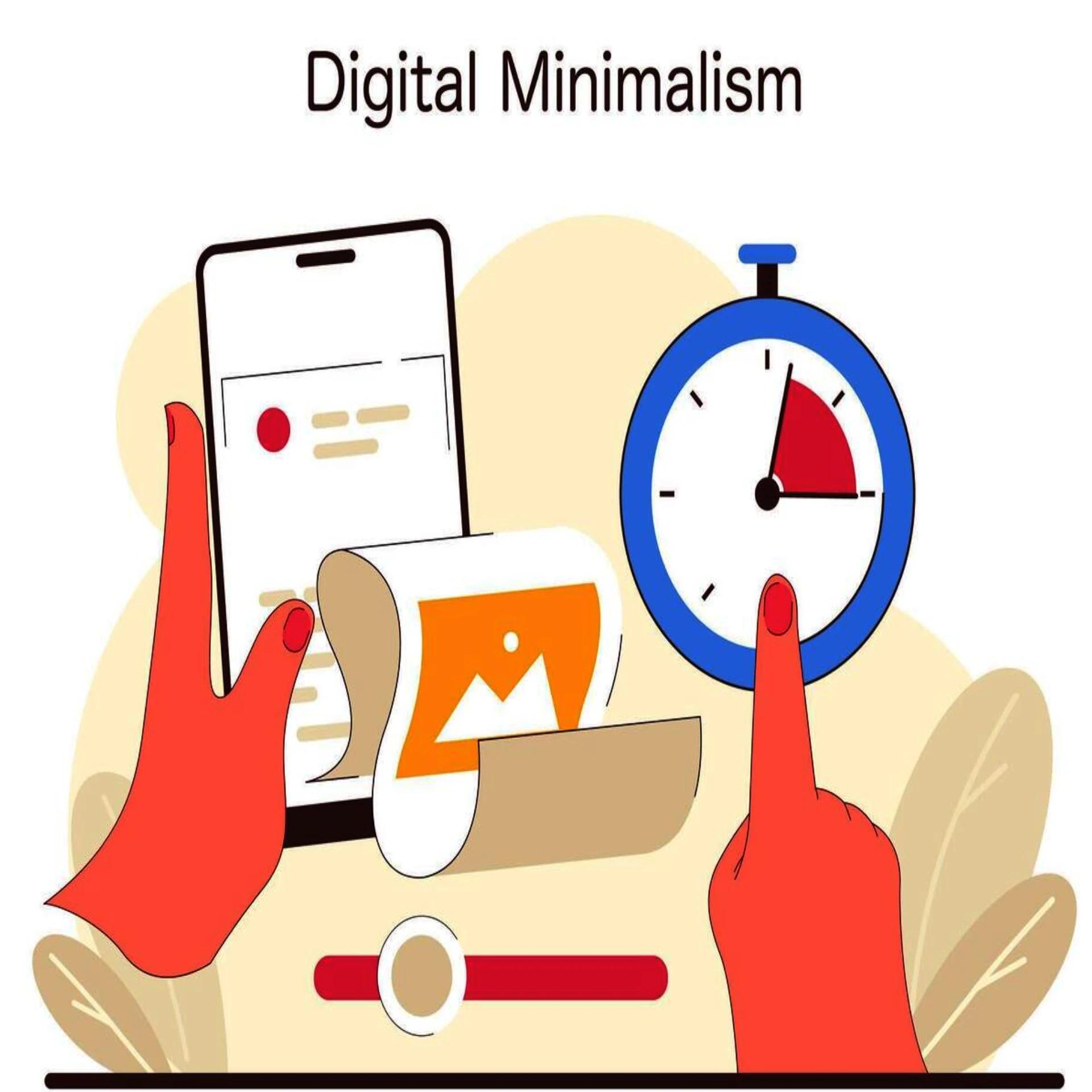
Digital minimalism is a lifestyle approach that encourages people to use technology intentionally rather than compulsively.
Instead of allowing smartphones, social media platforms, and endless notifications to dominate daily life, digital minimalists focus on using digital tools that genuinely add value while eliminating unnecessary distractions.
The goal isn't to reject technology altogether. It's about creating a healthier and more balanced relationship with it.
Popular digital minimalism practices include:
- Reducing screen time
- Limiting social media use
- Turning off notifications
- Decluttering digital devices
- Prioritizing real-world experiences
- Creating tech-free zones
As concerns about digital overload continue to grow, more people are embracing this approach to regain control of their attention.
Why People Feel More Digitally Overwhelmed Than Ever
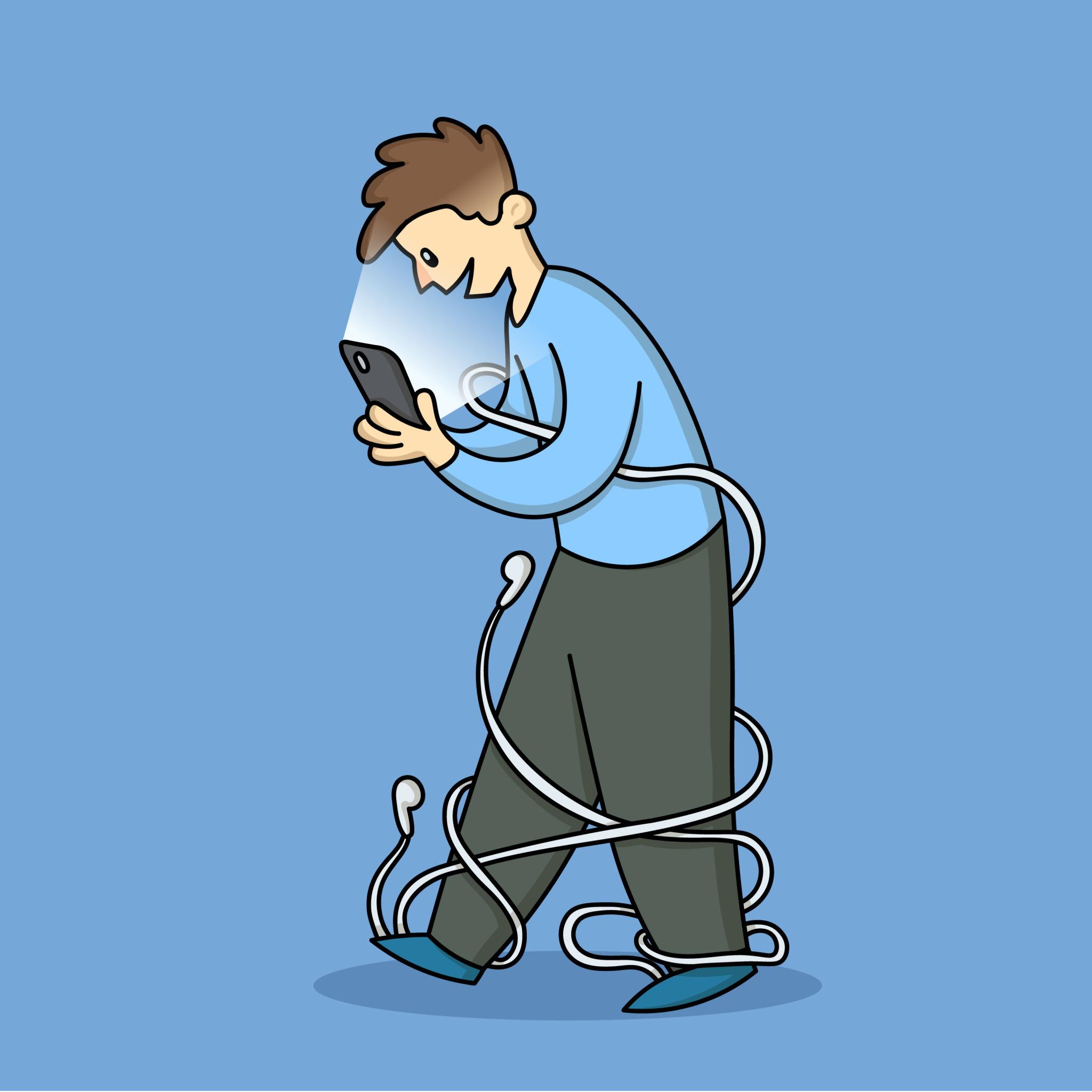
Technology has made life more convenient, but it has also introduced a new problem: constant stimulation.
Most people are exposed to:
- Hundreds of notifications daily
- Continuous news updates
- Social media algorithms designed to capture attention
- Endless entertainment options
- Work communications outside office hours
This constant stream of information can leave people feeling mentally exhausted.
Many experts refer to this phenomenon as digital overload, where the brain struggles to process the overwhelming amount of information it receives each day.
As a result, many individuals experience:
- Reduced concentration
- Increased stress
- Mental fatigue
- Information overload
- Difficulty disconnecting
Digital minimalism offers a solution to these challenges.
Signs You Might Need Digital Minimalism

Not sure if technology is negatively affecting your life?
Here are some common signs:
1. You Check Your Phone Constantly
Do you instinctively reach for your phone whenever you have a free moment?
2. You Struggle to Focus
Frequent interruptions from apps and notifications can reduce productivity and attention span.
3. You Feel Anxious When Offline
If being away from your phone makes you uncomfortable, it may be a sign of digital dependency.
4. Your Screen Time Keeps Increasing
Many people are surprised when they check their weekly screen time reports.
5. Social Media Leaves You Feeling Drained
Instead of feeling informed or entertained, excessive scrolling often leads to exhaustion.
6. Your Sleep Quality Has Declined
Late-night screen use can interfere with healthy sleep patterns.
The Biggest Digital Minimalism Trends Right Now
Digital minimalism continues to evolve as people experiment with new ways to reduce digital distractions.
1. Notification Detox
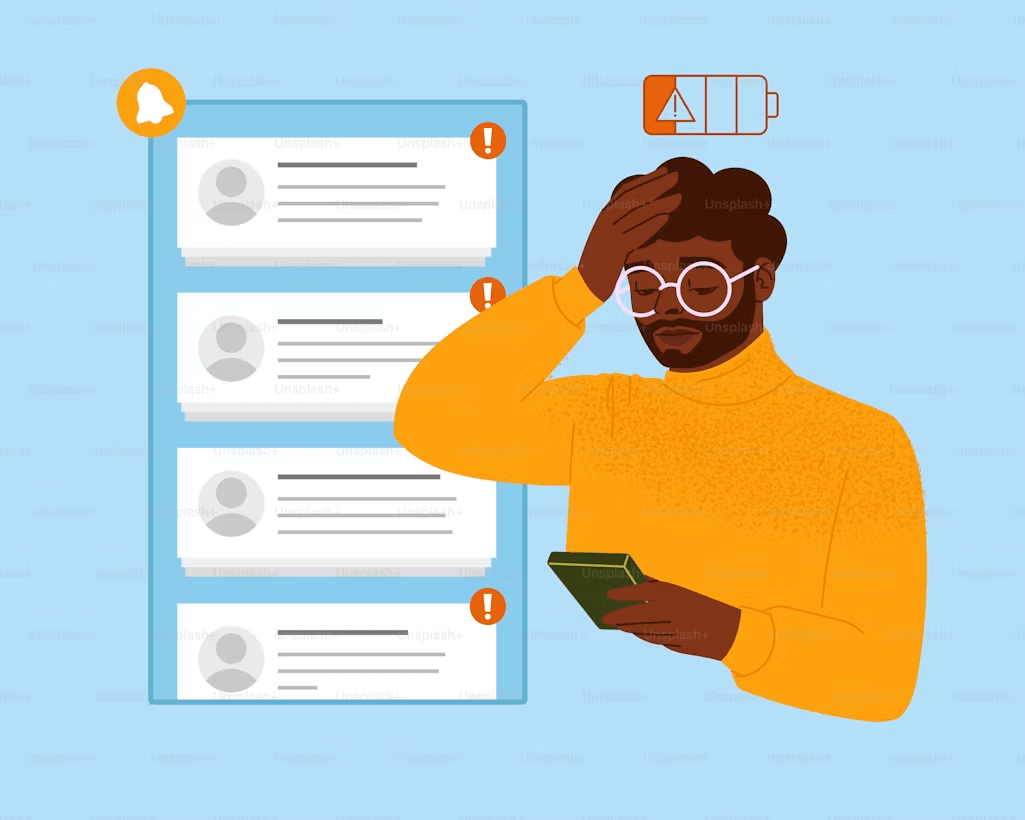
One of the most popular digital wellness trends is disabling non-essential notifications.
Instead of reacting to every buzz and alert, people are choosing when they engage with their devices.
2. Social Media Decluttering
Many users are:
- Unfollowing irrelevant accounts
- Deleting unused apps
- Limiting daily social media usage
- Taking regular social media breaks
The goal is to create a more intentional online experience.
3. Screen-Free Mornings
Rather than checking emails and social media immediately after waking up, people are starting their day with:
- Exercise
- Reading
- Journaling
- Meditation
This helps reduce stress and improve focus throughout the day.
4. Dumb Phones Are Making a Comeback
A surprising trend is the growing popularity of basic phones.
Many people are temporarily replacing smartphones with simpler devices that offer calling and texting without constant distractions.
5. Single-Tasking Instead of Multitasking
Research increasingly suggests that multitasking can reduce productivity.
Digital minimalists focus on one task at a time, reducing interruptions and improving concentration.
6. Intentional Technology Use

Rather than using technology by default, people are asking:
- Why am I opening this app?
- Does this tool add value to my life?
- Is this helping me achieve my goals?
This shift encourages mindful technology habits.
7. Offline Hobbies Are Returning
As screen fatigue increases, many people are rediscovering activities such as:
- Reading
- Gardening
- Painting
- Cooking
- Hiking
- Fitness
These hobbies provide meaningful alternatives to endless scrolling.
Benefits of Digital Minimalism
The popularity of digital minimalism isn't just about reducing screen time. People are experiencing tangible benefits.
1. Improved Mental Health
Less exposure to digital noise can reduce stress and anxiety.
2. Better Focus and Productivity
Fewer distractions make it easier to complete important tasks.
3. More Free Time
Many people discover they gain several hours each week by reducing unnecessary screen usage.
4. Stronger Relationships
Being more present during conversations helps improve personal connections.
5. Better Sleep
Limiting evening screen exposure often leads to improved sleep quality.
6. Increased Life Satisfaction
Many digital minimalists report feeling more intentional and in control of their daily lives.
How to Start Practicing Digital Minimalism
You don't need to completely disconnect from technology to benefit from digital minimalism.
1. Audit Your Screen Time
Start by understanding how much time you're spending on your devices.
2. Remove Unnecessary Apps
Delete apps that provide little value but consume significant attention.
3. Turn Off Non-Essential Notifications
Only keep alerts that truly require immediate attention.
4. Create Tech-Free Zones
Consider keeping phones out of:
- Bedrooms
- Dining tables
- Family gatherings
5. Schedule Social Media Time
Instead of checking apps throughout the day, set specific times for social media use.
6. Replace Screen Time With Real Activities
Choose activities that provide fulfillment and personal growth.
Is Digital Minimalism Right for Everyone?
Digital minimalism isn't about rejecting modern technology.
For many people, smartphones, social media, and digital tools provide tremendous value.
The key is balance.
Digital minimalism encourages individuals to become intentional users rather than passive consumers of technology.
Whether you reduce your screen time by 10 minutes or several hours per day, the goal is to ensure technology serves your life rather than controls it.
The Future of Digital Minimalism
As concerns about mental health, productivity, and digital well-being continue to grow, digital minimalism is likely to become even more mainstream.
Future trends may include:
- More screen-time management tools
- Increased awareness of digital wellness
- Greater focus on work-life balance
- Simplified technology experiences
- Stronger boundaries around digital communication
What started as a niche movement is quickly becoming a practical lifestyle strategy for navigating an increasingly connected world.
Tools That Support a Digital Minimalist Lifestyle
The Bottom Line
Digital minimalism is a response to the growing challenges of modern digital life.
By reducing distractions, limiting screen time, and embracing intentional technology use, people are discovering greater focus, improved mental health, and a stronger sense of balance.
In a world designed to constantly compete for your attention, choosing less can sometimes be the most powerful decision you make.
Frequently Asked Questions
What is digital minimalism?
Digital minimalism is a lifestyle philosophy that encourages intentional technology use while eliminating unnecessary digital distractions.
Does digital minimalism mean deleting social media?
No. Digital minimalism focuses on using technology intentionally rather than completely abandoning it.
How can I reduce screen time?
You can reduce screen time by disabling notifications, deleting distracting apps, scheduling social media use, and creating tech-free periods during the day.
What are the benefits of digital minimalism?
Benefits include improved focus, reduced stress, better sleep, increased productivity, and stronger personal relationships.