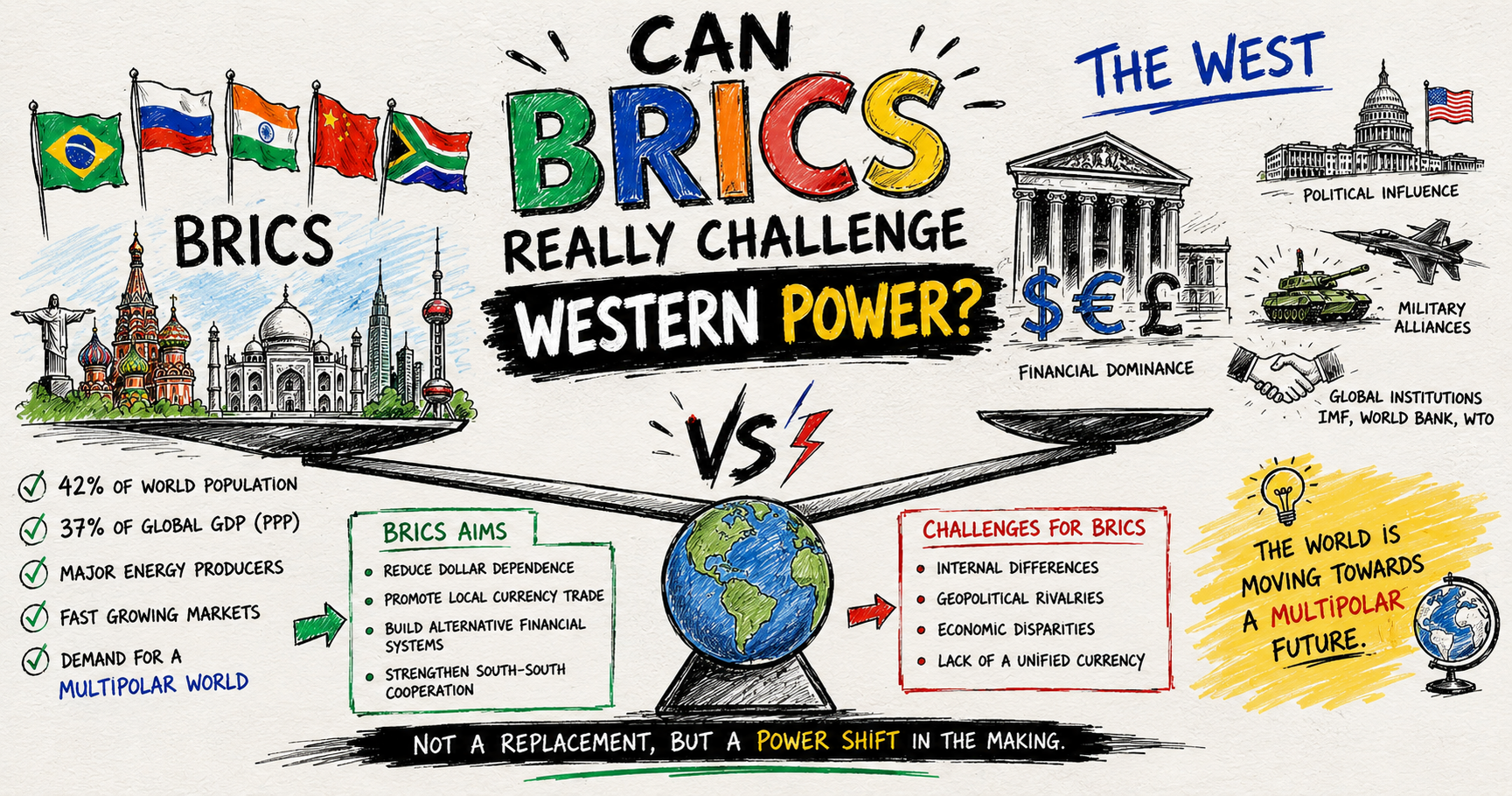

For decades, global power has largely revolved around the West..
The United States shaped international finance. Europe influenced global diplomacy. Western institutions like the IMF and World Bank dominated economic decision-making. The US dollar became the backbone of global trade.
But over the last few years, another bloc has started attracting serious attention: BRICS..
Originally formed by Brazil, Russia, India, China, and South Africa, BRICS was once viewed mostly as an economic discussion group for emerging markets. Today, it is increasingly being seen as something much bigger- a potential counterweight to Western influence.
As more countries show interest in joining BRICS and discussions around alternative financial systems grow louder, one question keeps coming up:
Can BRICS genuinely challenge Western power, or is it still far from becoming a real geopolitical force?
The answer is more complicated than many headlines suggest.
What Exactly Is BRICS?
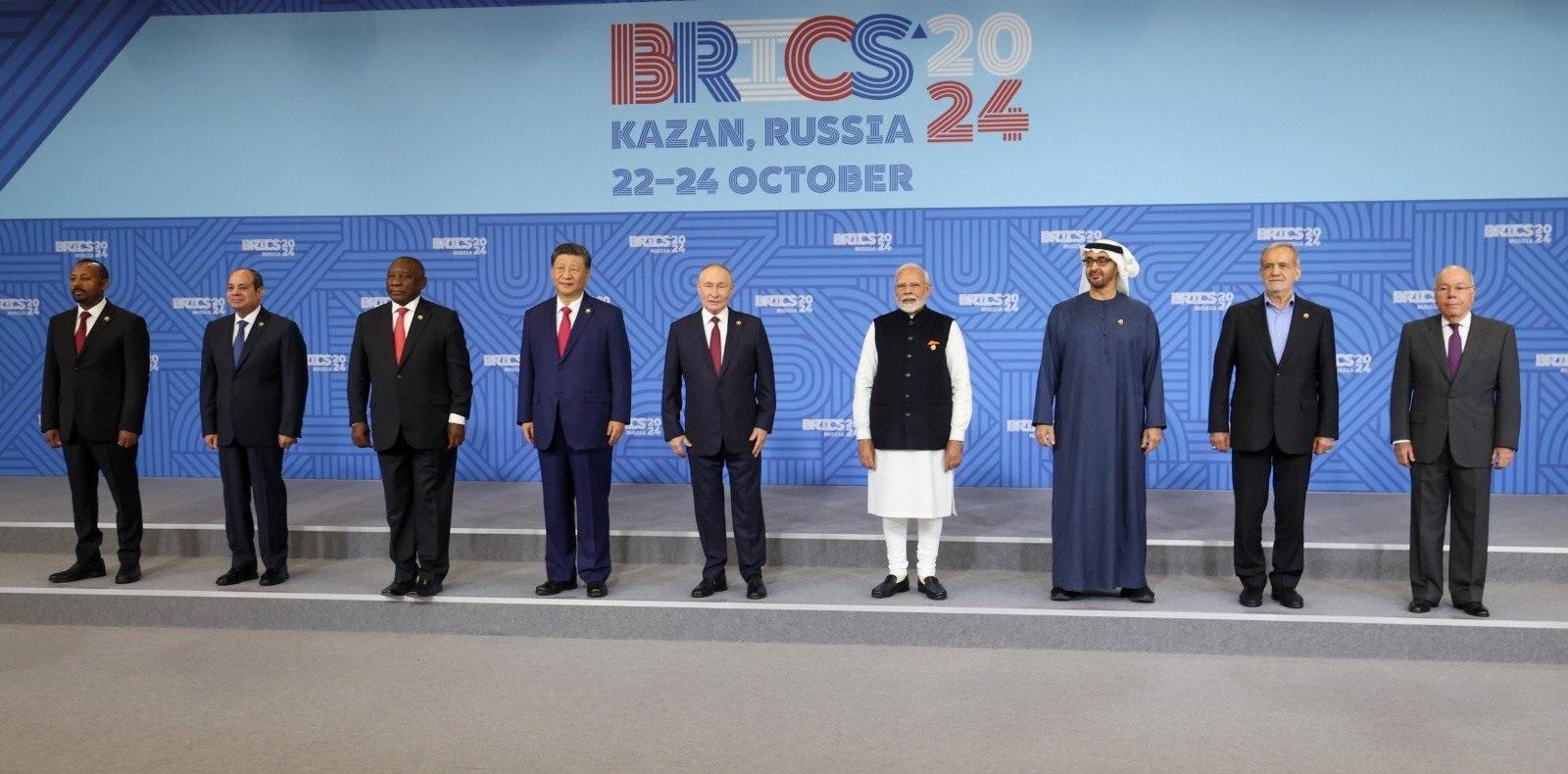
BRICS began as an economic grouping focused on cooperation among major emerging economies.
The original members were:
- Brazil
- Russia
- India
- China
South Africa later joined, turning BRIC into BRICS.
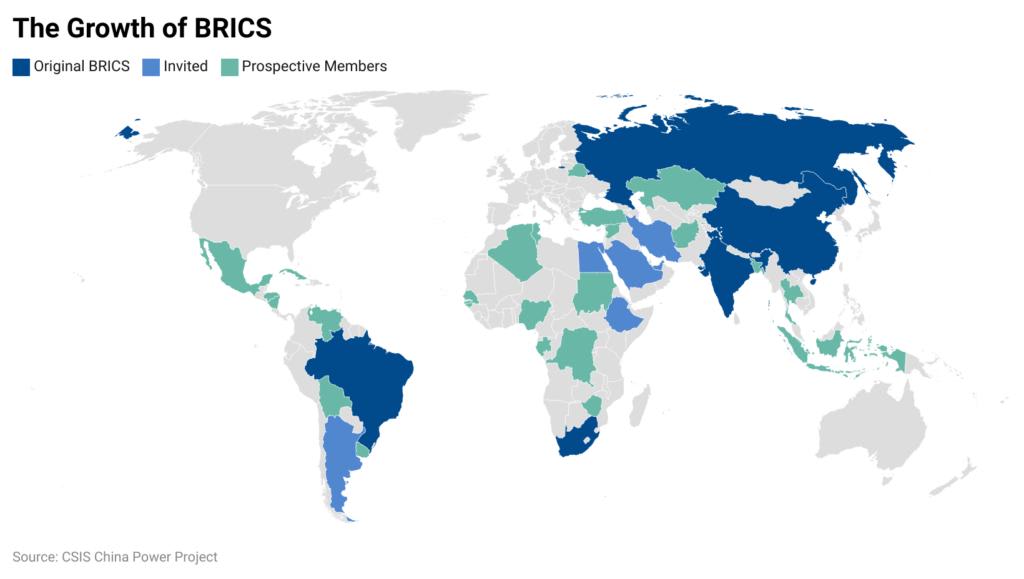
In recent years, the bloc has expanded further, with countries such as:
- Iran
- United Arab Emirates
- Egypt
- Ethiopia
showing growing involvement or membership.
This expansion reflects a larger global trend: many countries want alternatives to Western-dominated institutions.
Why BRICS Is Gaining Attention

One reason BRICS is becoming more influential is simple: economic weight.
Together, BRICS countries represent:
- a large share of the global population
- major energy producers
- fast-growing markets
- expanding manufacturing power
China alone is the world’s second-largest economy, while India is among the fastest-growing major economies globally.
This economic scale gives BRICS increasing geopolitical relevance.
Another factor is frustration with Western dominance in global finance and diplomacy.
Many countries in the Global South believe international systems still favor Western interests, especially regarding:
- sanctions
- trade rules
- lending systems
- currency dominance
- military alliances
BRICS presents itself as a platform for a “multipolar world” — one where global influence is more evenly distributed.
The Dollar Debate Is a Big Reason Why BRICS Matters
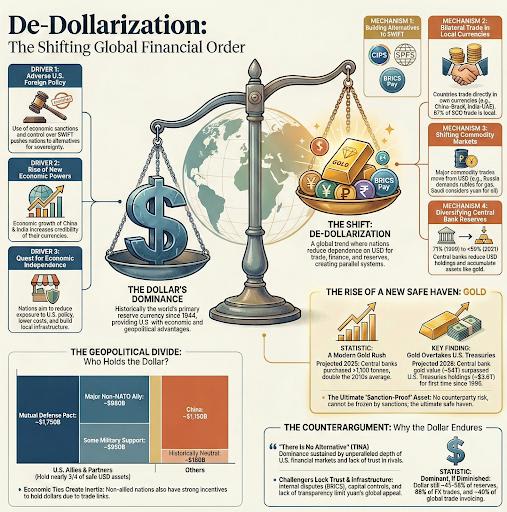
One of the most discussed BRICS ambitions is reducing dependence on the US dollar.
Right now, much of global trade still happens in dollars. Oil transactions, international reserves, and global financial systems are heavily tied to American currency dominance.
This gives the United States enormous financial influence.
Countries under Western sanctions — especially Russia and Iran — are increasingly trying to move trade into local currencies or alternative payment systems.
BRICS leaders have also discussed:
- local currency trade
- alternative banking systems
- reducing dollar exposure
- strengthening economic cooperation outside Western systems

However, replacing the dollar is far easier said than done.
The dollar remains dominant because:
- global markets trust it
- American financial systems remain powerful
- US institutions are deeply integrated into global finance
So while BRICS can slowly reduce dollar dependence in some areas, creating a true alternative remains extremely difficult.
China Is the Driving Force — and That Creates Tensions
Much of BRICS’ momentum comes from China’s economic strength.
But that also creates one of the bloc’s biggest internal challenges.
Several BRICS countries have very different political interests and strategic priorities.
For example:
- India and China have border tensions
- Russia faces Western sanctions
- Brazil’s political priorities often differ from China’s
- Gulf countries balance relations with both East and West
This means BRICS is not a unified alliance in the same way NATO operates.
It is better understood as a flexible geopolitical coalition with shared interests in some areas, but disagreements in others.
That limits how coordinated BRICS can become.
Why India’s Role Is So Important

India occupies a particularly interesting position inside BRICS.
India works closely with Western economies while also maintaining strategic ties with Russia and participating actively in BRICS.
Unlike China, India does not want a direct anti-Western confrontation. Instead, New Delhi often focuses on:
- strategic autonomy
- economic growth
- multipolar diplomacy
- balancing relationships across blocs
This balancing strategy makes India one of the most influential voices within BRICS.
As India’s economy grows, its role in shaping the future direction of the organization could become even more important.
Can BRICS Actually Replace Western Power?
This is where the conversation becomes more realistic.
BRICS is growing in influence, but replacing Western global power entirely is unlikely anytime soon.
The West still controls:
- major financial institutions
- advanced technology ecosystems
- military alliances
- global reserve currency systems
- large investment networks
At the same time, BRICS is becoming increasingly important because it reflects a changing world order.
Power is no longer concentrated in one region alone.
Instead, the world is moving toward a more fragmented and competitive global system where multiple powers influence international politics simultaneously.
BRICS may not replace the West, but it can absolutely reduce Western dominance over time.
The Bigger Shift Is Already Happening
The rise of BRICS tells us something important about global politics today.
Many countries no longer want to rely entirely on one power center.
They want:
- diversified partnerships
- more economic flexibility
- greater geopolitical independence
- alternatives to Western-led systems
That does not necessarily mean the West is collapsing.
It means the global balance of power is slowly evolving.
And in many ways, BRICS has become one of the clearest symbols of that transformation.
Several BRICS nations are also deeply connected to Middle Eastern energy markets, making regional instability a major economic concern.
The Future of BRICS Will Depend on Unity
The biggest question facing BRICS is not whether it can grow.
It is whether its members can stay strategically aligned despite their differences.
Economic cooperation is easier than geopolitical unity.
As tensions rise globally — from trade wars to technological rivalry and regional conflicts — BRICS countries may find it harder to maintain common positions on major international issues.
Still, one reality is becoming increasingly clear:
The world is no longer unipolar.
And BRICS is one of the reasons why.