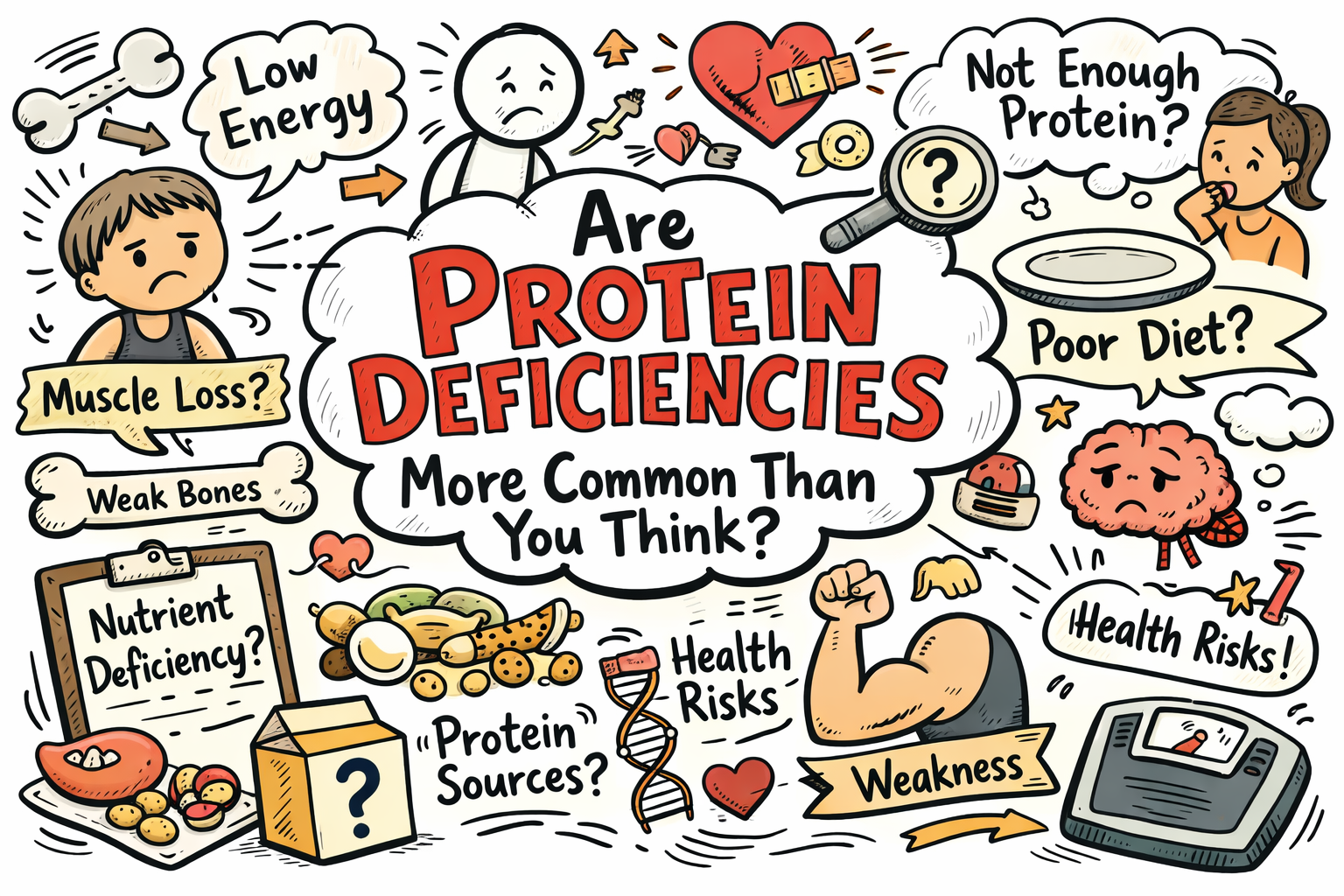

Protein has become one of the most discussed nutrients in modern health conversations and for good reason. It supports muscle repair, hormone production, immune function, and even how full and energized you feel throughout the day. Yet despite all the attention it gets, many people still aren’t consuming enough of it.
What makes protein deficiency tricky is that it doesn’t always look dramatic. It often shows up in subtle ways that are easy to dismiss: feeling hungry soon after meals, struggling with low energy, losing strength, or noticing changes in hair and skin quality.
The question isn’t just whether protein matters-it’s whether many of us are underestimating how much we actually need.
Why Protein Intake is Often Lower Than Expected
A lot of diets appear balanced on the surface but are heavily centered around carbohydrates.
For example, meals based on rice, bread, noodles, or snacks may provide enough calories, but relatively little protein. Even traditional home-cooked meals can fall short if protein-rich foods are treated as side items rather than central components.
This becomes especially relevant for:
- vegetarians who rely mostly on grains
- older adults with reduced appetite
- busy professionals skipping proper meals
- people trying to lose weight through restrictive eating
- those recovering from illness or intense physical activity
The issue is not always severe deficiency-it’s suboptimal intake, which can still affect how your body performs.
Signs You May Not Be Getting Enough Protein
Protein shortfalls can influence multiple systems over time.
Common signs include:
1. Persistent Hunger
Meals low in protein tend to digest quickly, leaving you hungry sooner.
2. Low Energy and Weakness
Protein supports muscle tissue and metabolic function. Too little can contribute to fatigue and reduced stamina.
3. Hair Thinning or Brittle Nails
Your body prioritizes essential functions first. When protein intake is low, less is available for hair, skin, and nails.
4. Slow Recovery
Whether from exercise, injury, or illness, protein is necessary for tissue repair.
5. Loss of Muscle Mass
Insufficient protein combined with inactivity can accelerate muscle breakdown, especially with age.
How Much Protein Do You Actually Need?
General recommendations suggest around 0.8 grams of protein per kilogram of body weight for sedentary adults.
But many people benefit from more:
- Active individuals: 1.2–2.0 g/kg
- Older adults: around 1.0–1.2 g/kg
- People recovering from illness: often higher depending on needs
For a 60 kg adult, that means anywhere from 48 g to over 100 g daily depending on activity and health goals.
Most people don’t track intake closely—so they assume they’re getting enough when they may not be.
The Challenge in Plant-Based Diets
Protein is available in plant foods, but quality and completeness vary.
Animal proteins naturally contain all essential amino acids in ideal ratios. Plant sources often need to be combined for balance.
Good vegetarian strategies include:
- dal + rice
- hummus + whole grain bread
- paneer with vegetables
- soy products with grains
The goal is variety, not dependence on one source.
Smart Ways to Increase Protein Intake
Improving protein intake doesn’t require expensive powders or extreme diets.
Practical approaches:
- include protein at every meal
- prioritize eggs, dairy, legumes, tofu, fish, or lean meats
- add seeds and nuts to snacks
- choose Greek yogurt or paneer over processed snacks
- use protein-rich breakfasts instead of carb-heavy options
Small adjustments across the day add up quickly.
How to Add More Protein to Your Daily Diet
Many people understand they need more protein, but the real challenge is knowing how to include it consistently without changing their entire lifestyle.
The easiest approach is to distribute protein across all meals rather than relying on one large serving at dinner.
Start with Breakfast
Instead of a carb-heavy breakfast alone, add a protein source such as:
- eggs
- Greek yogurt
- paneer
- peanut butter
- protein oats
A stronger breakfast improves satiety and helps stabilize energy through the morning.
Upgrade Lunch and Dinner
Build meals around a protein base:
- dal with rice
- grilled chicken with vegetables
- tofu stir-fry
- rajma with quinoa
- paneer with whole wheat roti
The goal is to make protein central—not an afterthought.
Are Supplements Necessary?
Not always.
Whole foods should be the foundation, but supplements can help when intake is consistently low.
Useful options may include:
- whey protein for convenience
- plant-based protein blends for vegetarians
- ready-to-drink protein beverages for busy schedules
They’re tools, not replacements for balanced eating.
Why Protein Matters Beyond Fitness
Protein is often associated only with gym culture, but its importance goes far beyond muscle building.
It influences:
- blood sugar stability
- satiety and appetite control
- immune resilience
- healthy aging
- recovery and cognitive performance
Inadequate intake can affect overall wellbeing long before obvious symptoms appear.
Final Thoughts
Protein deficiencies—or more commonly, insufficient intake—are likely more widespread than many people realize.
You don’t need to be severely malnourished for low protein to affect your health. Even modest shortfalls can impact energy, recovery, strength, and body composition over time.
The solution is not obsession—it’s awareness.
Look at your meals honestly. If most are centered on starches with little protein, your intake may be lower than you think.
And in the long run, protein is not just about building muscle—it’s about maintaining the systems that keep you functioning well every day.
Read more about protein recipe here: High Protein Quinoa Lunch Bowl