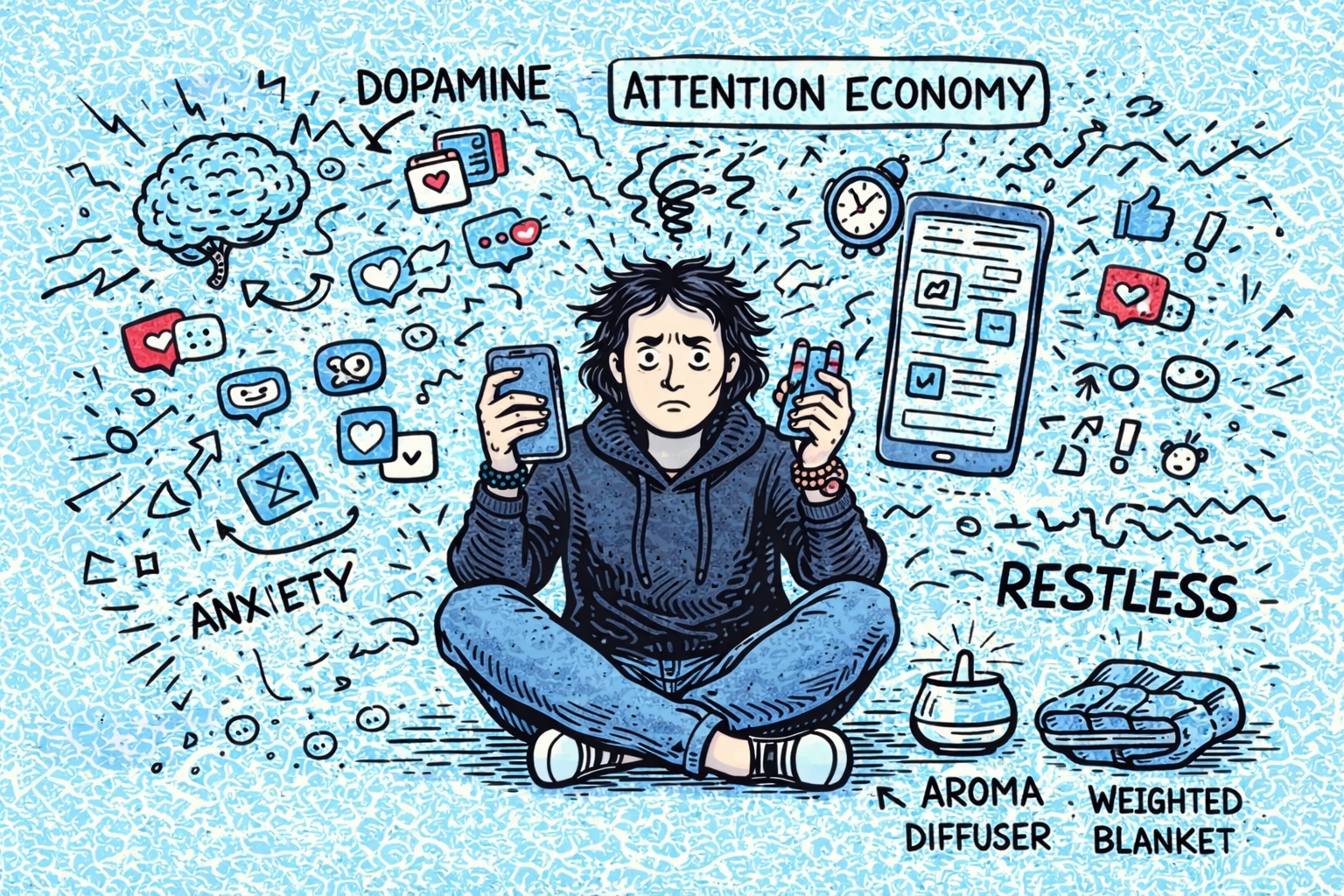

Have you ever opened your phone just to check one message, and suddenly found yourself scrolling for 30 minutes? You’re not alone. In today’s digital world, feeling constantly distracted, restless, or even anxious has become normal. But what if this isn’t accidental? What if it’s by design?
Welcome to the attention economy-a system where apps, platforms, and content compete for one thing: your time and focus.
How Apps Are Designed to Hook You

Most apps you use daily—social media, news, even shopping platforms—are built to keep you engaged for as long as possible. Features like notifications, endless feeds, and quick videos are not random. They are carefully designed to trigger dopamine, a chemical in your brain linked to pleasure and reward.
Every like, comment, or new post gives you a small “reward,” making you want to come back for more. Over time, this creates a loop: scroll → reward → repeat.
While it feels harmless, this constant stimulation keeps your brain in an active, alert state. And when your mind never truly rests, anxiety quietly builds in the background.
Infinite Scrolling, Infinite Fatigue
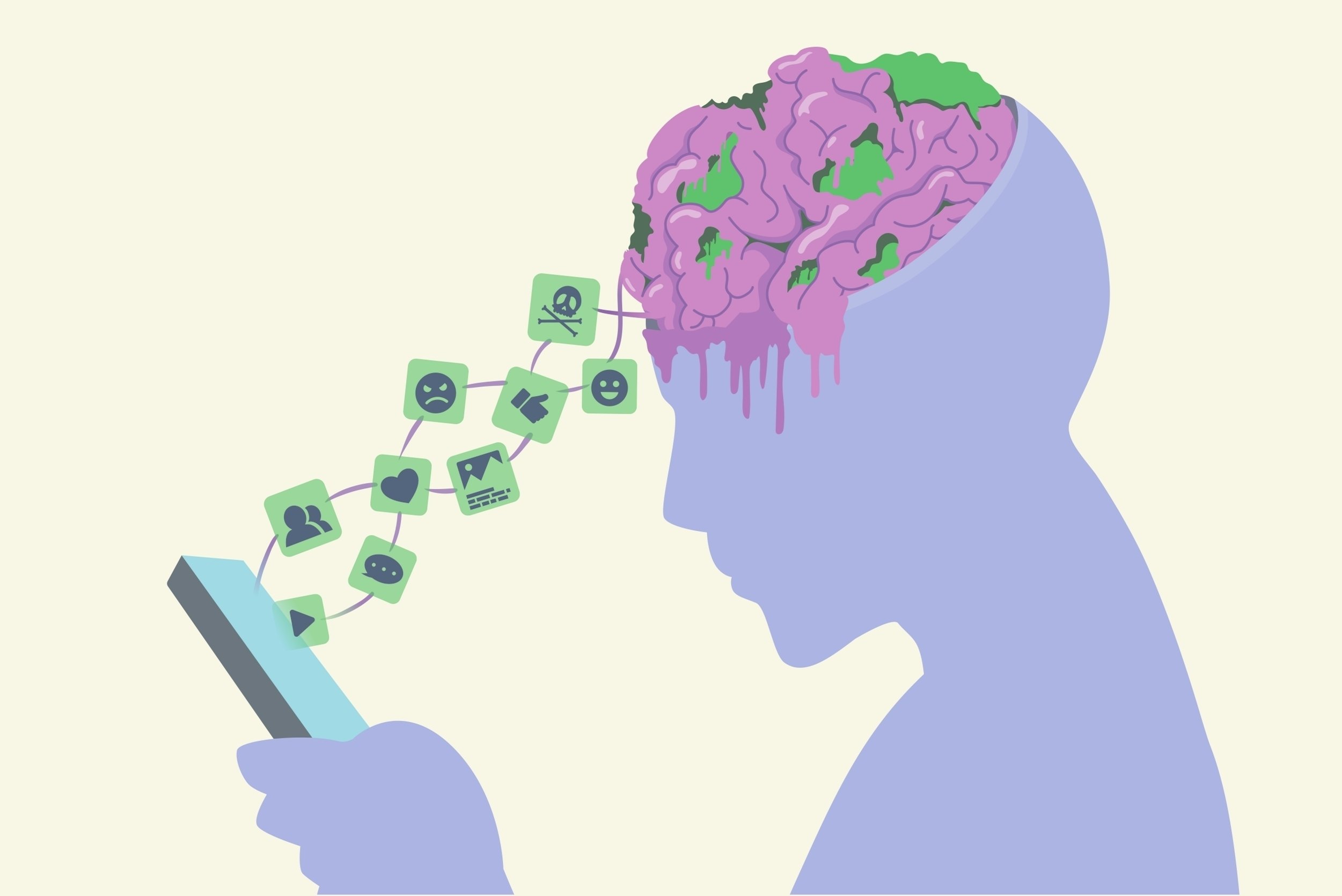
One of the biggest contributors to this is infinite scrolling. There’s no natural stopping point—no “end.” So your brain keeps consuming content without a break.
This leads to:
- Mental fatigue
- Reduced attention span
- A constant feeling of being “on edge”
Even when you’re not doing anything stressful, your mind feels tired. That’s because it’s processing too much information, too quickly.
When Calm Starts to Feel Uncomfortable
Here’s the real problem—many people are no longer comfortable with silence or stillness. Waiting without checking your phone, sitting quietly, or doing nothing can feel strange.

Why? Because your brain has become used to constant input.
Calm, which should feel natural, now feels unfamiliar. And in that unfamiliarity, anxiety grows. You start seeking distractions not for entertainment, but to avoid discomfort.
Breaking the Cycle
You don’t have to quit technology completely, but being intentional helps. Small changes can make a big difference.
For example, using tools like Forest App can help you stay focused by reducing phone usage in a fun way. Similarly, apps like Headspace or Calm can guide you through short mindfulness exercises to train your mind to slow down.
Simple changes like using an aroma diffuser can make your surroundings feel calmer, helping your mind slow down naturally.
You can also:
- Set time limits for apps
- Take short “no-phone” breaks during the day
- Avoid scrolling first thing in the morning
Final Thoughts
The attention economy isn’t going away, but understanding how it affects your mind is the first step. Anxiety today isn’t just about life problems—it’s also about how often your brain is being pulled in different directions.
Sometimes, the most productive thing you can do is pause, disconnect, and allow yourself to be still. Because in a world designed to keep you hooked, choosing calm is a powerful act.
Learn more about this prevailing anxiety culture here: The Rise of Anxiety Culture: When stress becomes the Norm