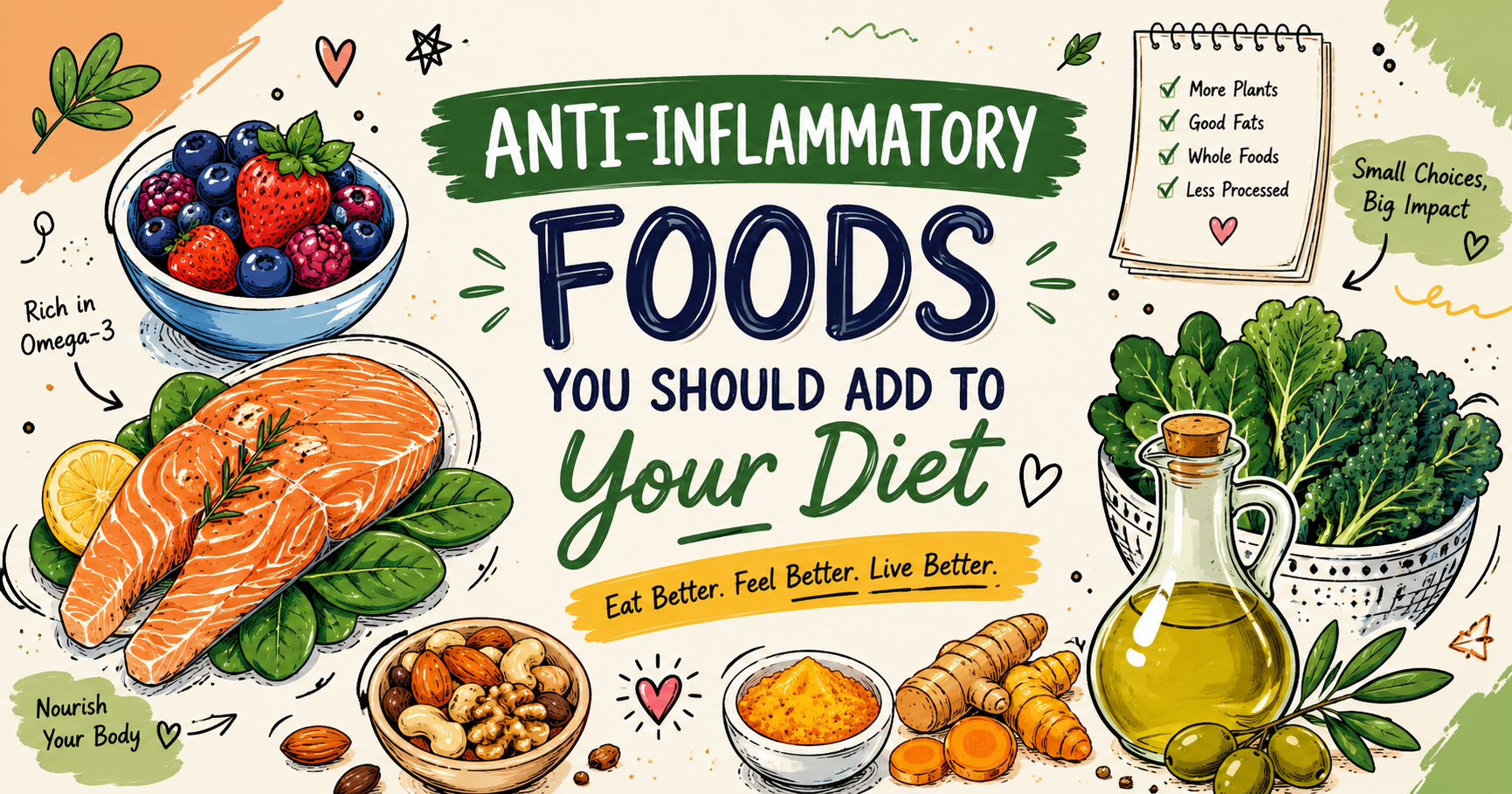

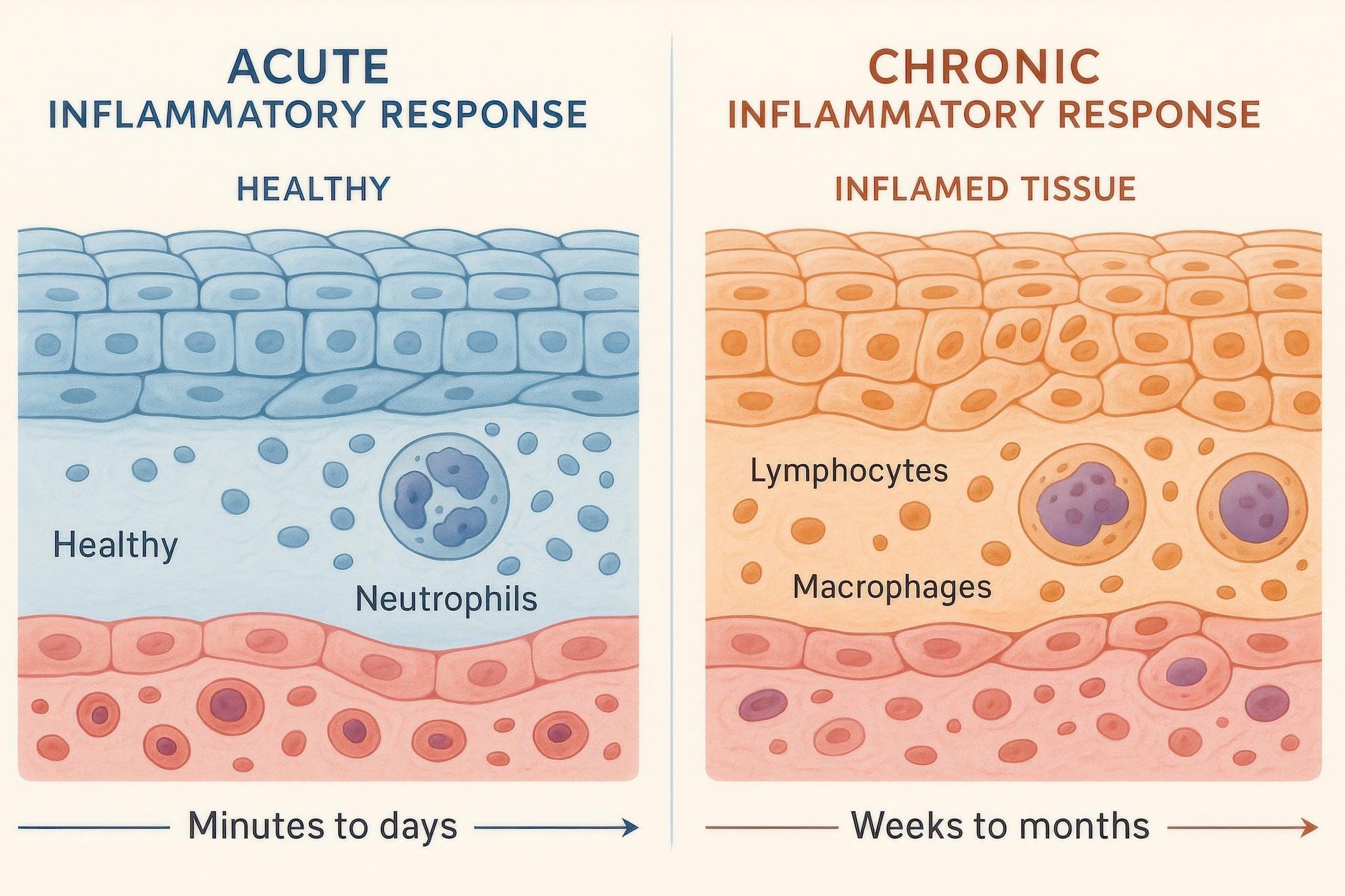
Inflammation often gets a bad reputation, but it's actually one of your body's most important defense mechanisms. When you get a cut or catch an infection, inflammation helps your immune system heal damaged tissue and fight harmful bacteria or viruses.
The problem begins when inflammation becomes chronic. Instead of helping your body, it quietly lingers for months or even years. Chronic inflammation has been linked to conditions such as heart disease, type 2 diabetes, arthritis, obesity, and certain autoimmune disorders.
While no single food can cure inflammation, your daily eating habits can influence how your body responds. Adding more nutrient-rich, minimally processed foods to your diet may help support overall health and reduce inflammation over time.
Let's explore the best anti-inflammatory foods and simple ways to include them in your meals.
What Causes Chronic Inflammation?
Several lifestyle factors can contribute to ongoing inflammation, including:
- Diets high in ultra-processed foods
- Excess added sugar
- Smoking
- Lack of physical activity
- Poor sleep
- Chronic stress
- Excess alcohol consumption
Fortunately, food is one area where small, consistent changes can make a meaningful difference.
1. Fatty Fish
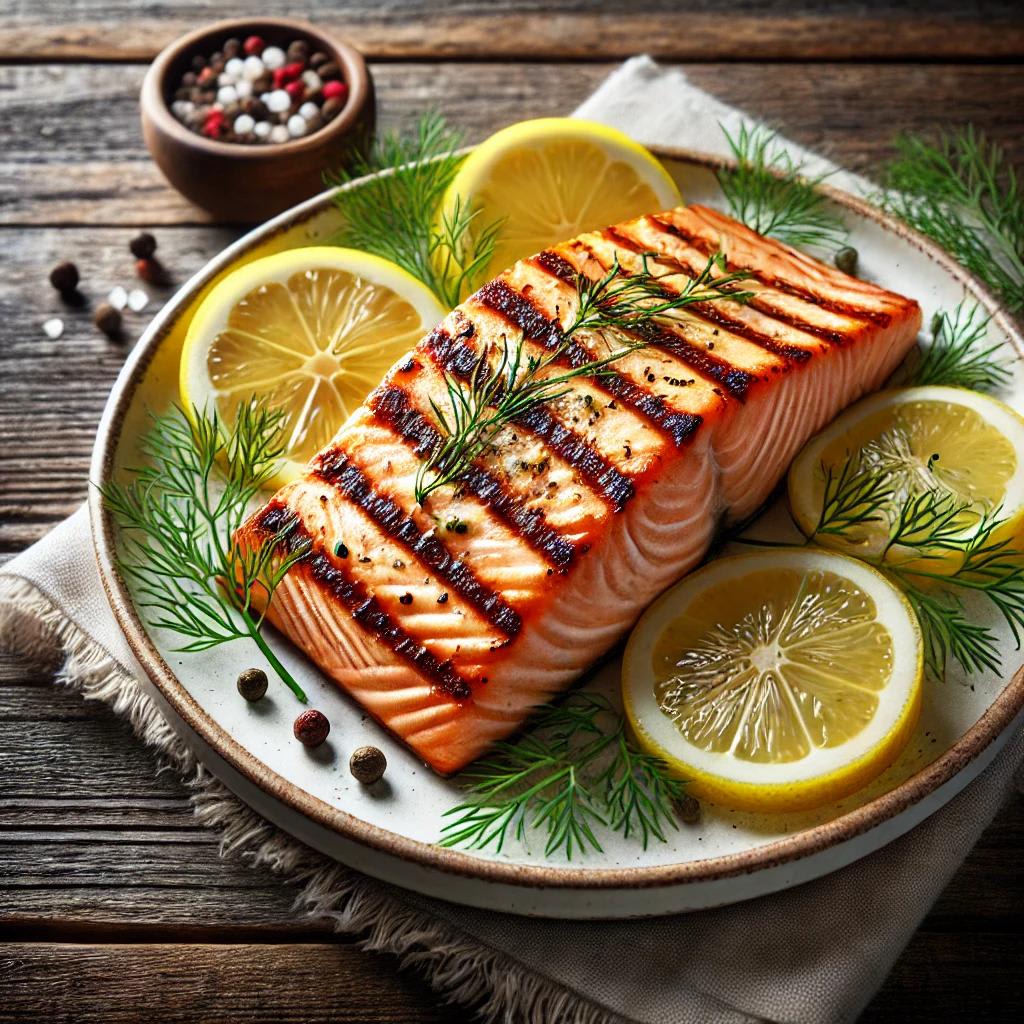
Fish such as salmon, sardines, trout, and mackerel are rich in omega-3 fatty acids, which play an important role in supporting heart and brain health. Research suggests that omega-3 fats may help reduce certain inflammatory markers in the body.
Easy ways to eat more fish
- Grill salmon for dinner.
- Add canned sardines to whole-grain toast.
- Include tuna in salads or wraps.
- Prepare baked fish twice a week.
2. Berries
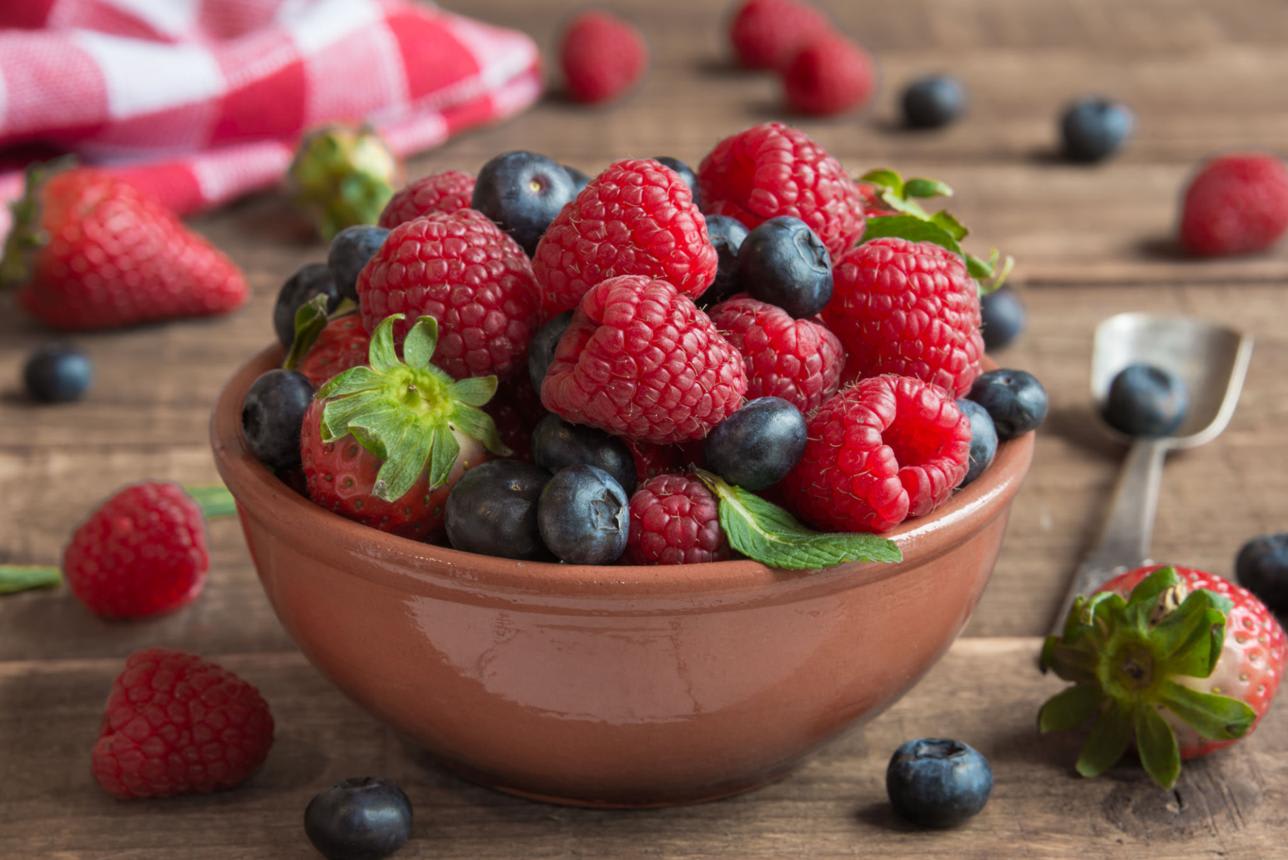
Blueberries, strawberries, raspberries, and blackberries are packed with antioxidants known as anthocyanins. These plant compounds help protect cells from oxidative stress.
Practical ideas
- Add berries to oatmeal.
- Blend them into smoothies.
- Mix them with plain yogurt.
- Eat them as a healthy afternoon snack.
3. Leafy Green Vegetables
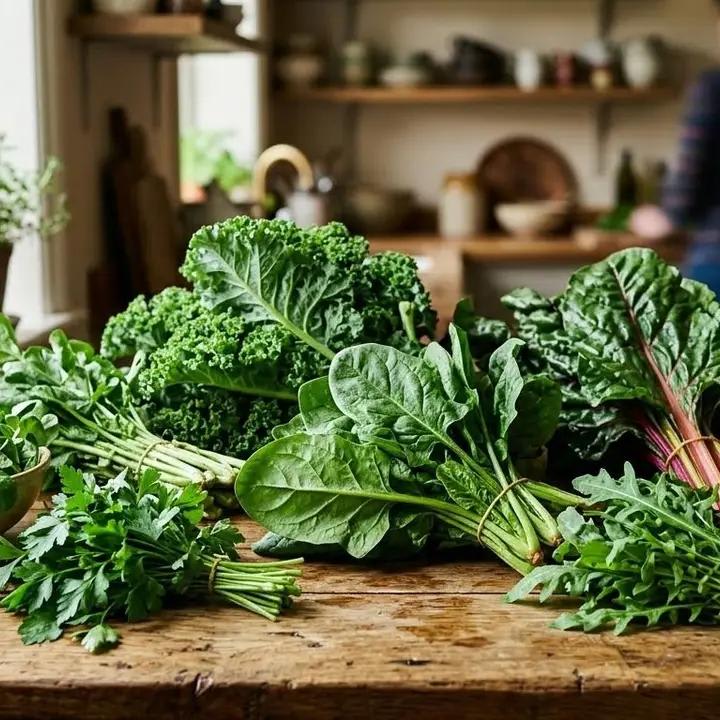
Spinach, kale, Swiss chard, and other leafy greens provide vitamins A, C, K, folate, and antioxidants.
They're also naturally low in calories while being high in fiber, making them a great addition to most diets.
Try this
- Add spinach to scrambled eggs.
- Toss kale into soups.
- Blend greens into smoothies.
- Build salads with multiple leafy vegetables.
4. Extra Virgin Olive Oil
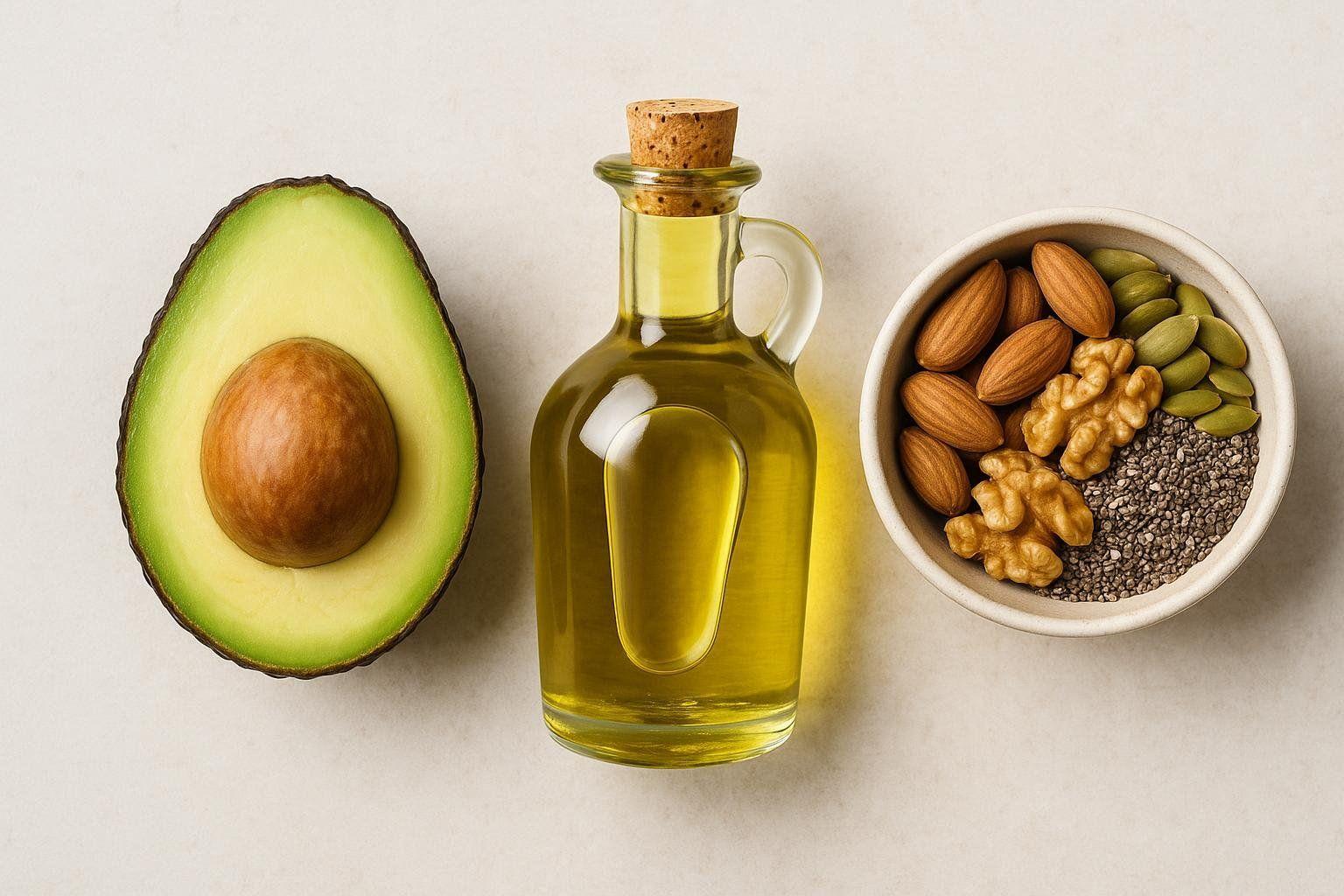
Extra virgin olive oil contains healthy monounsaturated fats and naturally occurring compounds like polyphenols that contribute to its health benefits.
Best uses
- Drizzle over salads.
- Roast vegetables with olive oil.
- Use it instead of butter when appropriate.
- Add a small amount to cooked grains.
5. Nuts and Seeds
Almonds, walnuts, chia seeds, flaxseeds, pumpkin seeds, and sunflower seeds provide healthy fats, protein, minerals, and fiber.
Walnuts and flaxseeds are especially known for their omega-3 content.
Easy additions
- Sprinkle seeds on yogurt.
- Add chopped nuts to oatmeal.
- Blend flaxseed into smoothies.
- Carry a handful of mixed nuts as a snack.
6. Tomatoes
Tomatoes are rich in vitamin C and lycopene, an antioxidant that becomes even more available after cooking.
Include them by
- Making homemade tomato soup.
- Adding sliced tomatoes to sandwiches.
- Cooking tomato-based pasta sauces.
- Roasting cherry tomatoes.
7. Turmeric
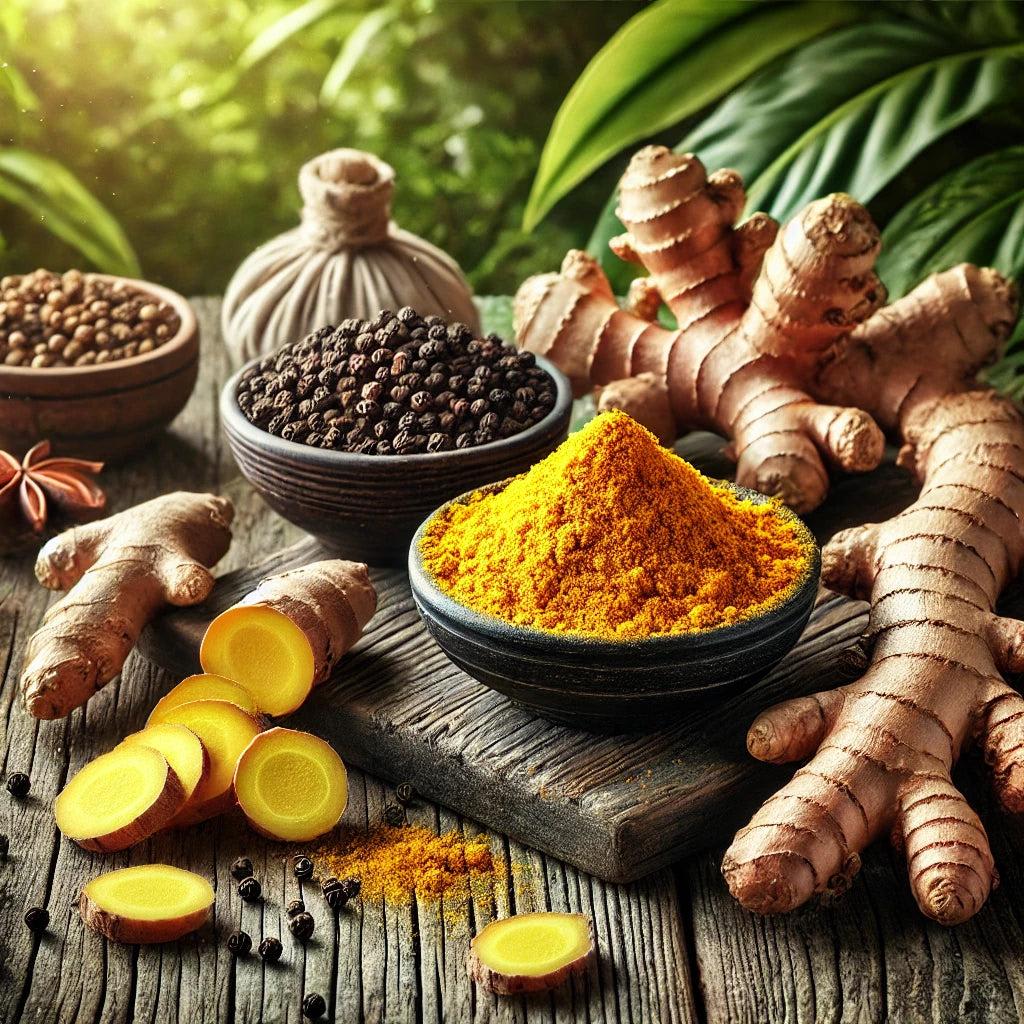
Turmeric contains curcumin, a naturally occurring compound that has been widely studied for its anti-inflammatory properties.
Curcumin is absorbed better when consumed with black pepper.
Practical uses
- Add turmeric to curries.
- Stir it into soups.
- Make golden milk occasionally.
- Sprinkle it into roasted vegetables.
8. Ginger
Fresh ginger has been used for centuries in cooking and traditional medicine.
It adds flavor while providing natural plant compounds that have been studied for their potential health-supporting properties.
Simple ideas
- Brew ginger tea.
- Add grated ginger to stir-fries.
- Blend into smoothies.
- Use in marinades.
9. Green Tea
Green tea contains catechins, a group of antioxidants that may help support overall health.
Replacing sugary beverages with green tea is an easy dietary improvement for many people.
10. Beans and Lentils
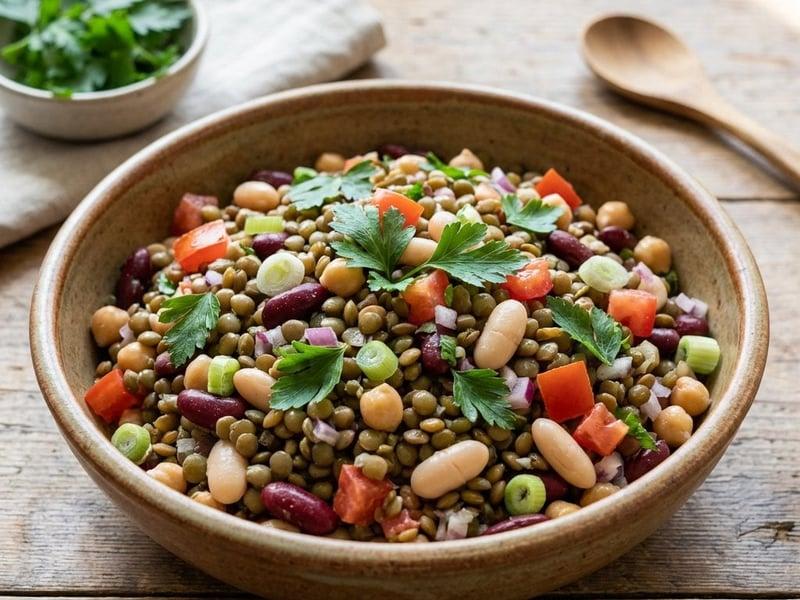
Lentils, chickpeas, kidney beans, and black beans provide fiber, protein, vitamins, and minerals.
Higher-fiber diets are associated with better gut health, which plays an important role in immune function.
Meal ideas
- Lentil soup
- Chickpea salad
- Rajma with brown rice
- Black bean tacos
Foods That May Increase Inflammation

Instead of focusing only on what to add, it's equally important to reduce foods that are often associated with unhealthy dietary patterns.
These include:
- Sugary soft drinks
- Candy
- Highly processed snacks
- Processed meats
- Excess fried foods
- Refined carbohydrates
- Foods high in trans fats
Enjoy these occasionally rather than making them everyday staples.
A Simple One-Day Anti-Inflammatory Meal Plan
Breakfast
Greek yogurt topped with blueberries, walnuts, chia seeds, and oats.
Mid-Morning Snack
An apple with a handful of almonds.
Lunch
Grilled salmon with quinoa, spinach salad, tomatoes, cucumber, and olive oil dressing.
Evening Snack
Green tea with roasted chickpeas.
Dinner
Lentil curry with brown rice and steamed broccoli.
Dessert
Fresh berries or sliced kiwi.
Lifestyle Habits That Work Alongside Your Diet
Food is only one piece of the puzzle. These habits can also support overall health:
- Aim for 7 to 9 hours of sleep each night.
- Stay physically active.
- Drink enough water throughout the day.
- Manage stress through meditation or deep breathing.
- Avoid smoking.
- Limit alcohol consumption.
Frequently Asked Questions
1. What is the most anti-inflammatory food?
There isn't one "best" food. A diet rich in vegetables, fruits, whole grains, healthy fats, legumes, and fish provides the greatest overall benefit.
2. How long does it take to see results?
Everyone is different. Consistently improving your eating habits over weeks or months is generally more beneficial than making short-term changes.
3. Can anti-inflammatory foods cure diseases?
No. These foods support overall health but should not replace medical treatment or professional healthcare advice.
4. Is coffee inflammatory?
For most people, moderate coffee consumption is not considered inflammatory and may even provide beneficial antioxidants. However, sugary coffee drinks can add excess calories and sugar.
Final Thoughts
An anti-inflammatory diet isn't about buying expensive superfoods or following strict rules. It's about building balanced meals around whole, minimally processed foods that nourish your body.
Start with one or two simple changes this week. Add berries to breakfast, switch to olive oil for cooking, include more leafy greens, or enjoy beans a few more times each week. Over time, these small choices can contribute to better overall health and become lasting habits.
Disclaimer: This article is for informational purposes only and should not be considered medical advice. If you have a medical condition, food allergy, or dietary restriction, consult a qualified healthcare professional or registered dietitian before making significant changes to your diet.