Have you ever finished watching a movie or TV show and thought, "There has to be more to this story"?
You're not alone.
Some of the internet's most fascinating discussions don't come from official plot twists—they come from fan theories. Over the years, passionate fans have spotted hidden clues, connected seemingly unrelated scenes, and uncovered details that even the creators may not have intended.
While some theories are wildly imaginative, others fit so perfectly that they make you wonder if the writers secretly planned them all along.
From Pixar and Marvel to Harry Potter and Star Wars, here are some of the best fan theories that make too much sense—even if they haven't been officially confirmed.
Why Do Fan Theories Become So Popular?
Fan theories have become a huge part of modern entertainment. Every major movie, TV series, or game now inspires thousands of discussions on Reddit, YouTube, TikTok, and fan forums.
But why?
Because audiences love solving mysteries.
Hidden Easter eggs, mysterious dialogue, and unexplained scenes encourage viewers to fill in the gaps. Sometimes these theories are later confirmed, while others become legendary simply because they're so convincing.
The best fan theories do three things:
- Explain unanswered questions.
- Connect hidden details.
- Make the original story even more interesting.
Now, let's dive into some of the most believable theories fans have ever created.
1. The Pixar Theory: Every Pixar Movie Exists in One Shared Universe
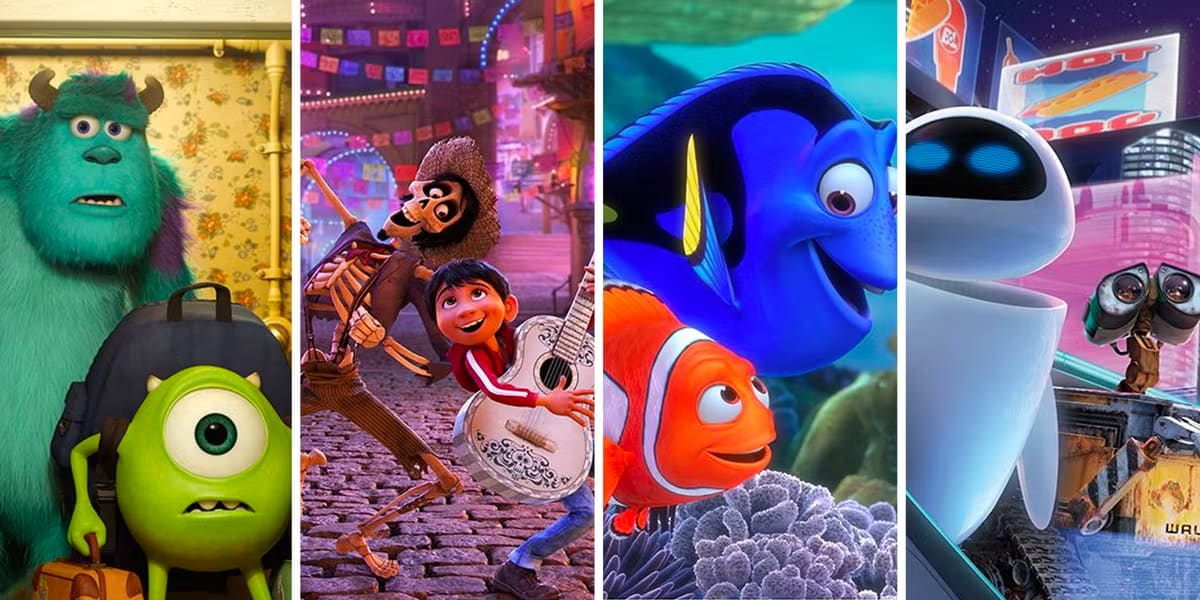
This is easily one of the most famous movie fan theories ever created.
According to the Pixar Theory, every Pixar film—from Toy Story and Finding Nemo to Monsters, Inc. and Wall-E—takes place within the same universe, just at different points in history.
Supporters point to recurring Easter eggs, familiar brands, and similar technologies appearing across multiple films. One of the most discussed ideas is that intelligent animals, sentient toys, and advanced artificial intelligence are all connected through the same evolving timeline.
Whether or not it's intentional, the theory offers a fascinating way to view Pixar's storytelling.
Why it makes sense: Many Pixar movies include subtle references to one another, making the shared-universe idea surprisingly believable.
2. Jar Jar Binks Was Originally Meant to Be a Sith Lord
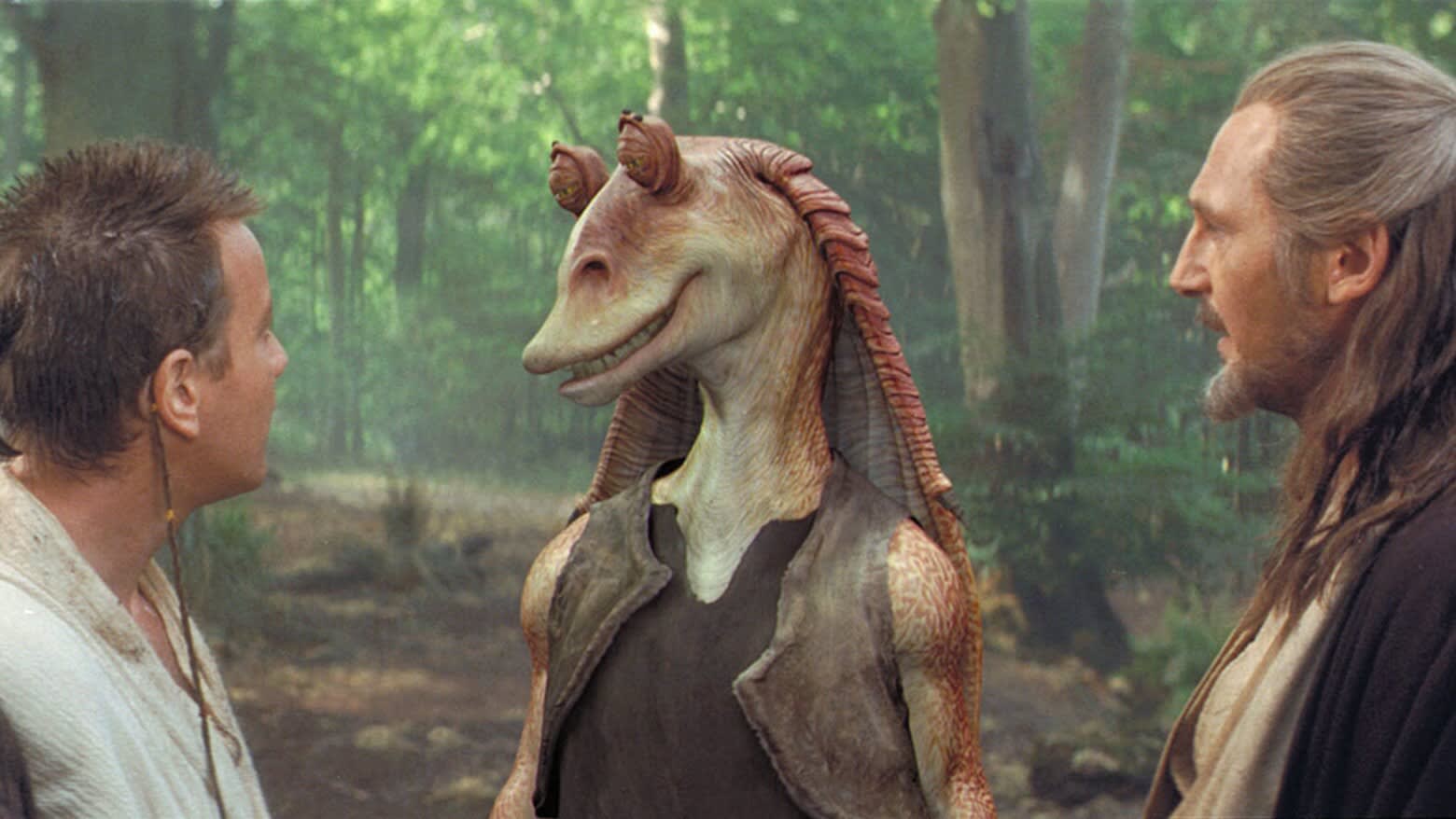
Few fan theories have sparked as much debate as this one.
When Star Wars: Episode I – The Phantom Menace introduced Jar Jar Binks, many fans dismissed him as comic relief. But years later, viewers noticed something strange.
Jar Jar often performs surprisingly agile movements, seems to influence political events in unexpected ways, and occasionally behaves as though he knows far more than he lets on.
This led to the theory that he was originally intended to be a secret Sith Lord before the storyline was changed.
While there's no official confirmation, the evidence compiled by fans is surprisingly detailed.
Why it makes sense: Some of Jar Jar's actions appear unusually deliberate for a character portrayed as clumsy.
3. Andy's Mom Is Emily, Jessie's Original Owner
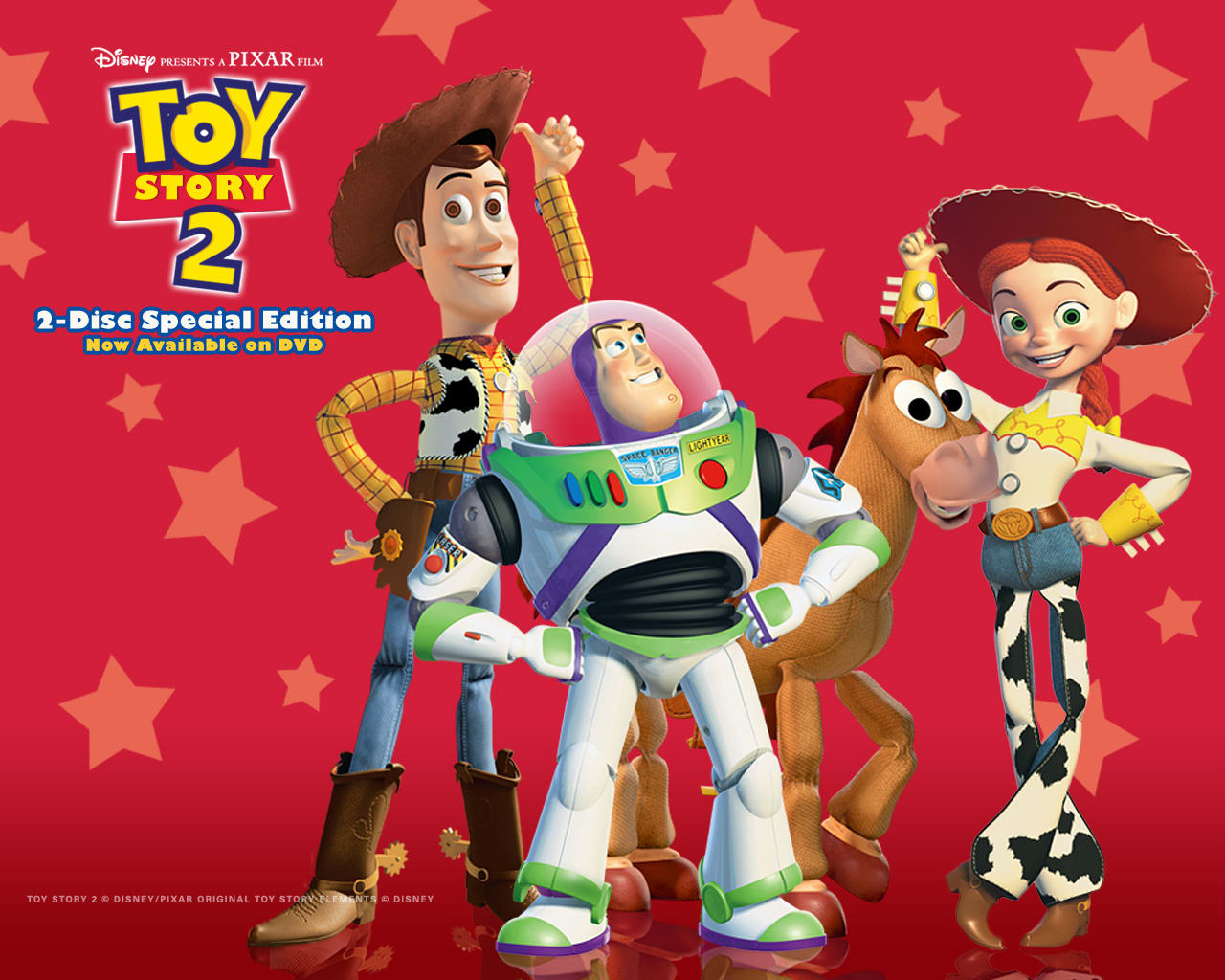
If you've watched Toy Story 2, you probably remember Jessie's heartbreaking backstory.
Fans noticed something interesting:
Jessie's former owner, Emily, wears a distinctive red cowboy hat that's remarkably similar to the one Andy owns years later.
The theory suggests Emily eventually grew up, became Andy's mother, and kept the hat before passing it down to her son.
Although Pixar has never confirmed it, the timeline fits surprisingly well.
Why it makes sense: It adds emotional depth to Jessie's story while explaining how Andy ended up with Woody's iconic companion.
4. Harry Potter Was Always Meant to Become a Horcrux
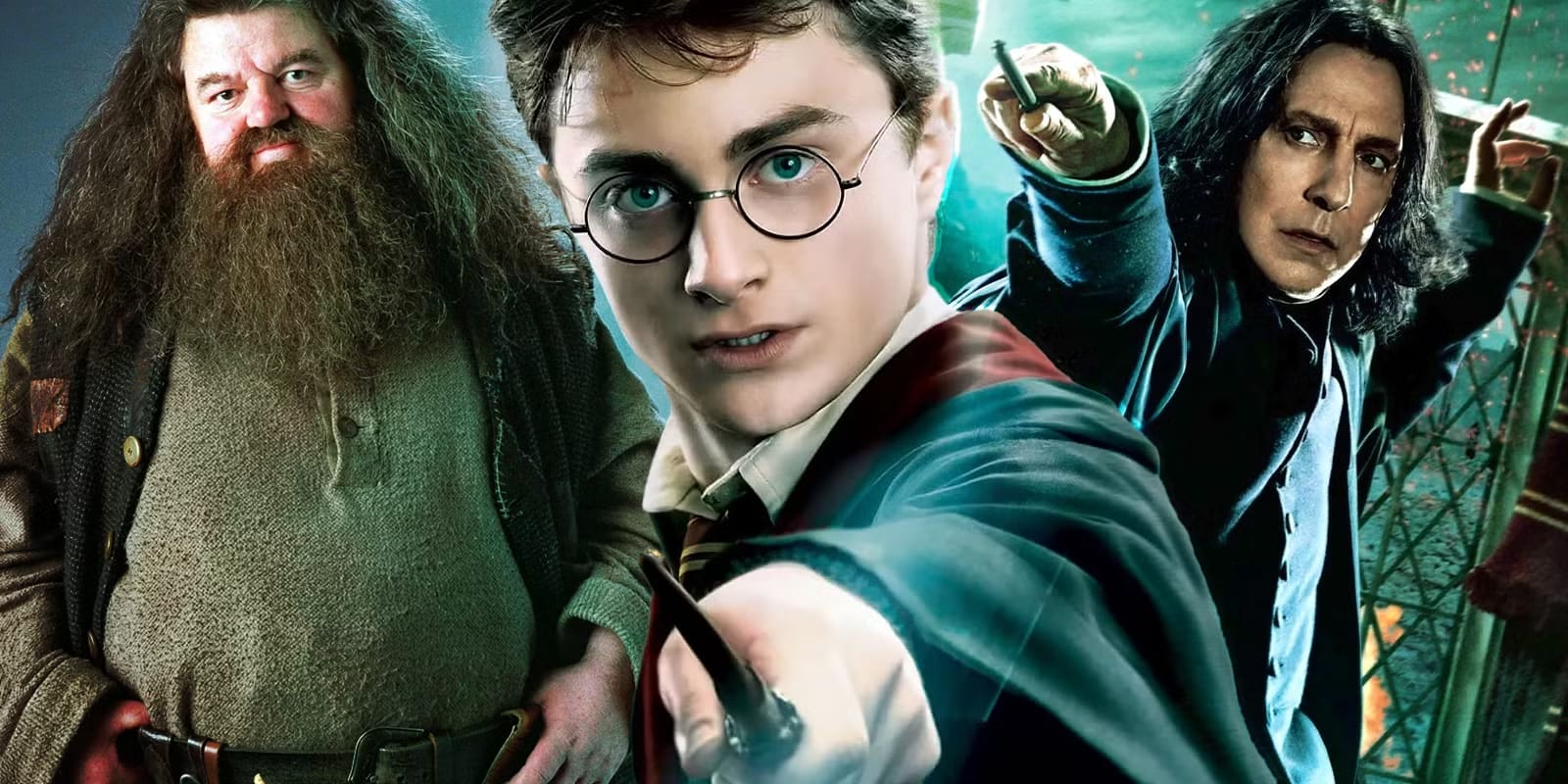
Technically, this revelation becomes true later in the series.
What's fascinating is how many readers predicted it years before the final books were published.
Fans noticed that Harry shared unusual mental connections with Voldemort, could speak Parseltongue, and experienced visions unlike anyone else.
Long before the official reveal, readers theorized that Harry carried a fragment of Voldemort's soul.
When the truth finally emerged, many realized the clues had been there all along.
Why it makes sense: The books subtly foreshadowed the reveal from the very beginning.
5. Loki Always Knew More Than He Let On
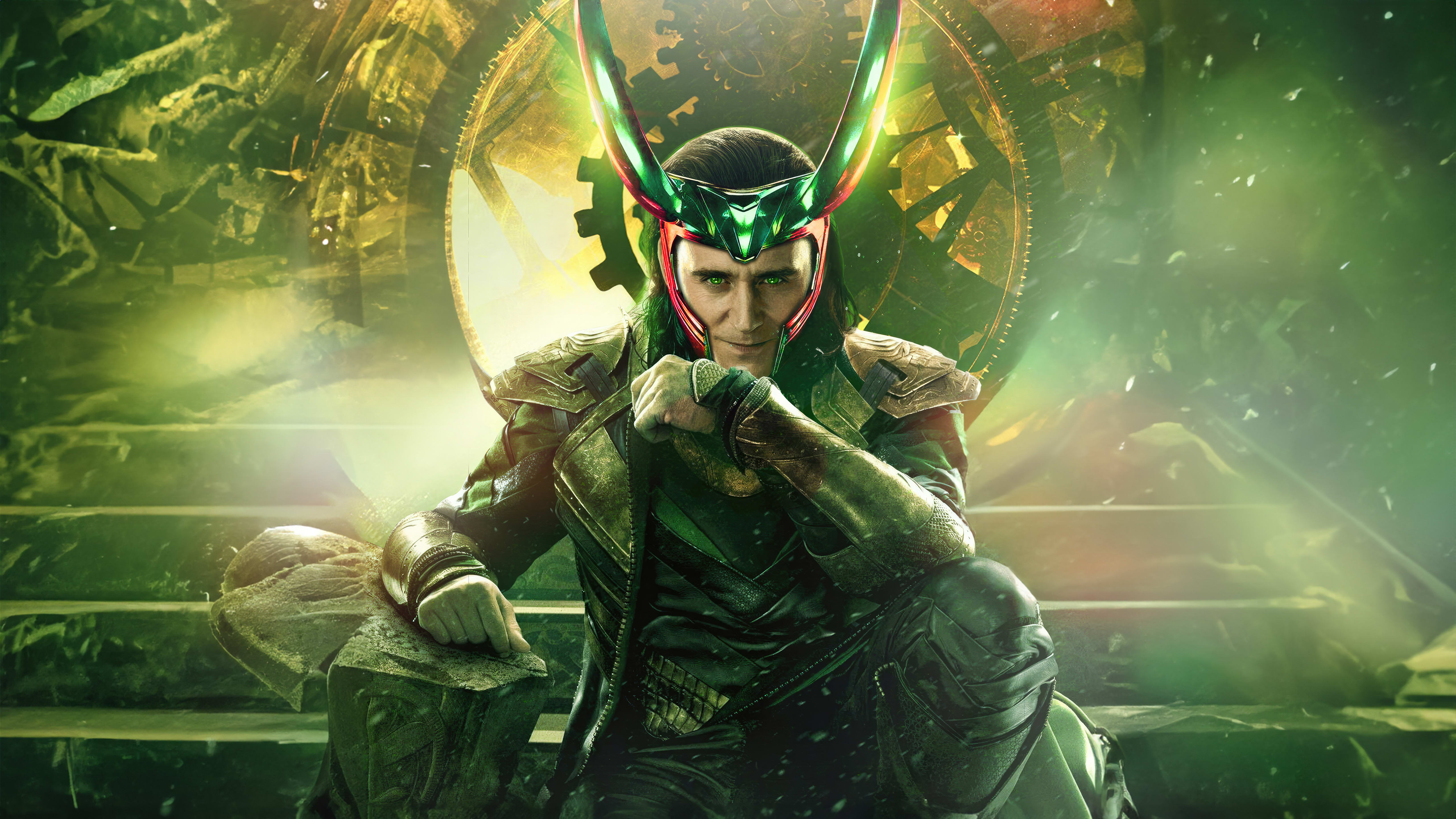
The Disney+ series Loki transformed one of Marvel's most unpredictable characters into someone even more mysterious.
Many fans believe Loki understood far more about timelines, variants, and destiny than he ever admitted.
Throughout the Marvel Cinematic Universe, Loki often behaves as though he's several steps ahead of everyone else.
His actions sometimes appear chaotic—but in hindsight, they often lead toward larger events.
Whether this was intentional planning or clever storytelling, it's one reason the character remains so compelling.
Why it makes sense: Loki's intelligence and manipulative nature make long-term planning entirely believable.
6. SpongeBob Characters Represent the Seven Deadly Sins
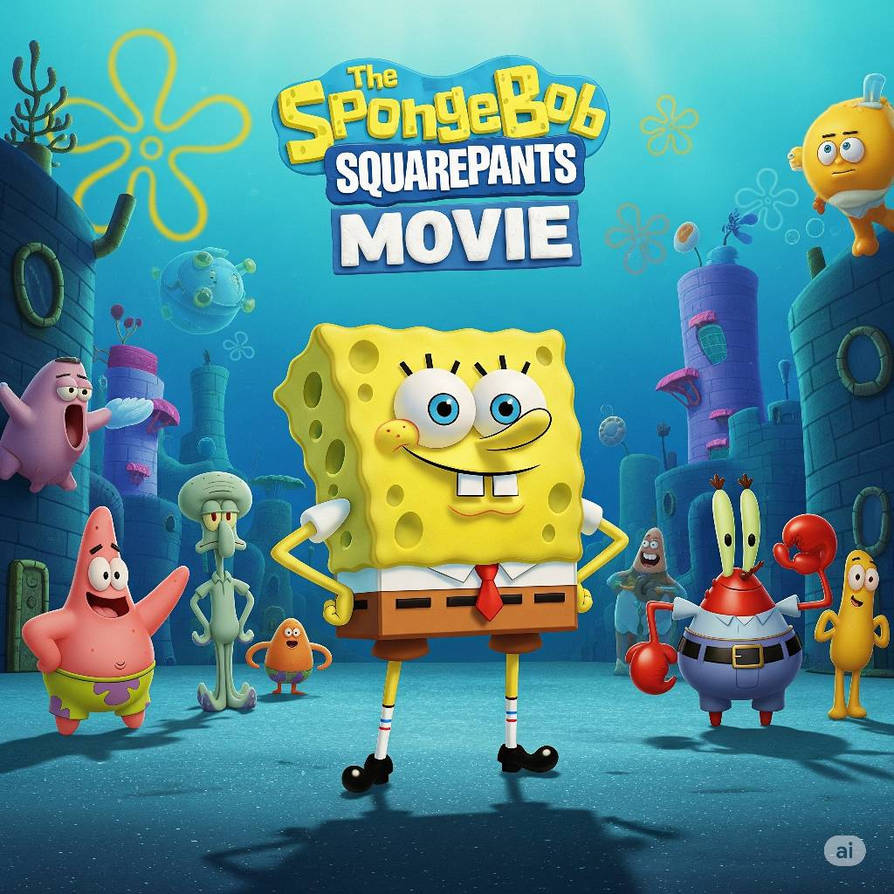
This theory has circulated online for years.
Fans suggest that each major character symbolizes one of the seven deadly sins:
- Patrick — Sloth
- Mr. Krabs — Greed
- Squidward — Wrath
- Sandy — Pride
- SpongeBob — Lust for life or excessive enthusiasm (interpretations vary)
- Gary — Gluttony
- Plankton — Envy
While the theory isn't perfect, it's interesting how many personalities align with these symbolic traits.
Why it makes sense: The exaggerated personalities of each character fit classic literary archetypes surprisingly well.
7. Ferris Bueller Exists Only in Cameron's Imagination
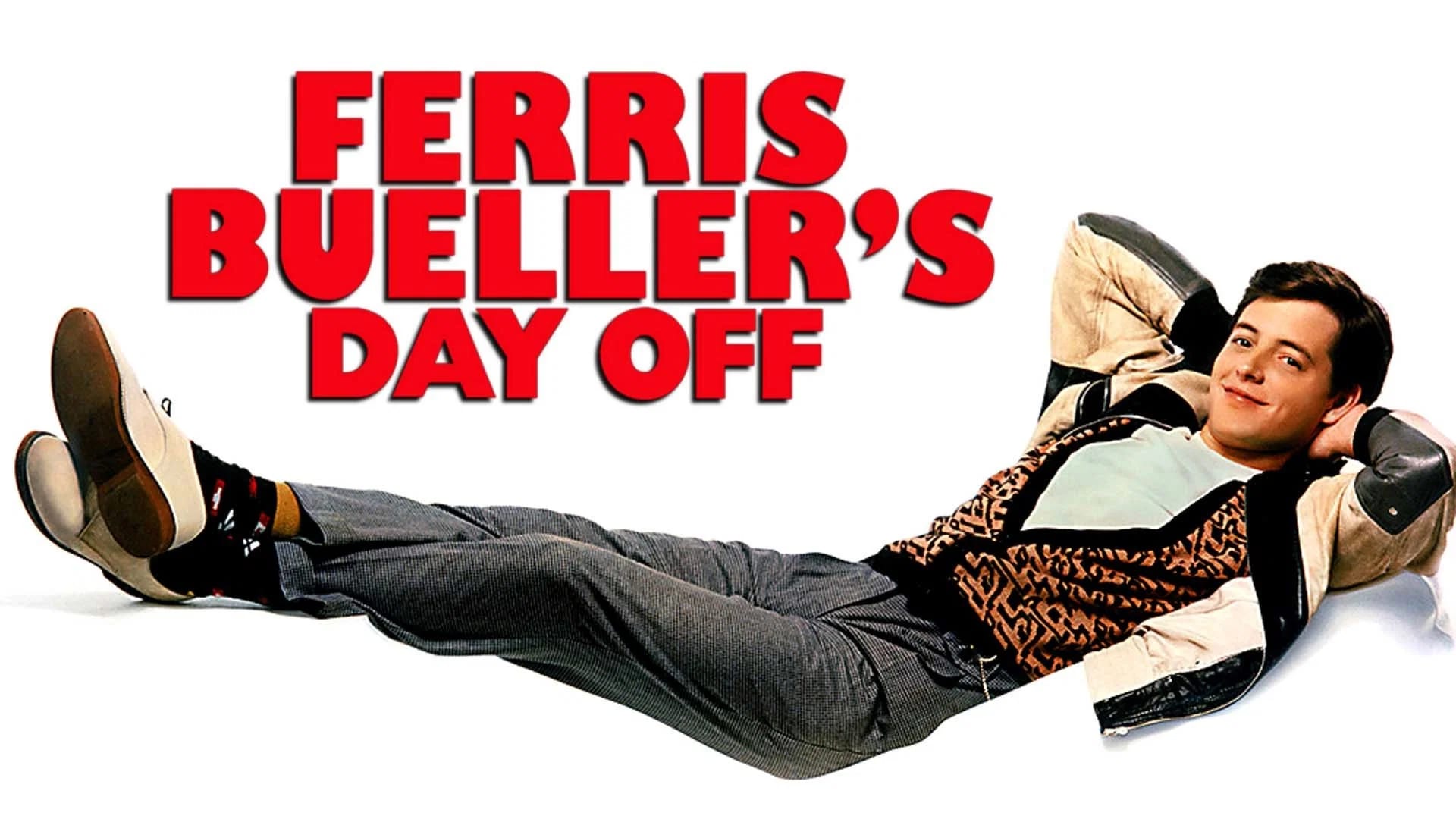
One of the oldest movie fan theories argues that Ferris Bueller isn't a real person at all.
Instead, he's a fantasy created by Cameron Frye-a confident version of himself who helps him escape his fears and stand up to authority.
Supporters compare this theory to Fight Club, pointing out how Ferris effortlessly solves every problem while Cameron experiences genuine personal growth.
Although the film doesn't support this idea directly, it certainly changes the way you watch it.
Why it makes sense: Cameron's emotional journey feels like the true focus of the movie.
8. The Doors in Monsters, Inc. Travel Through Time
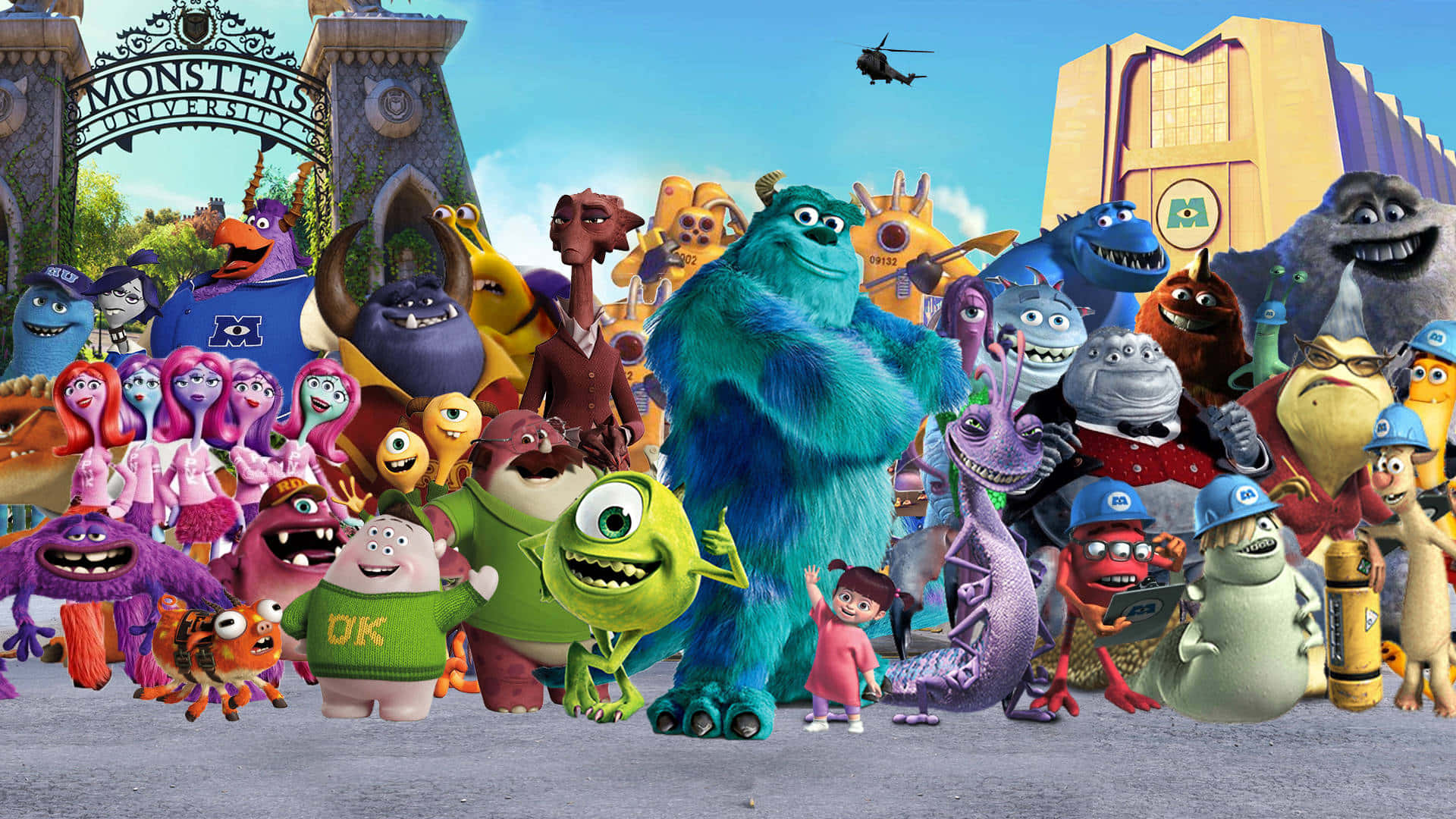
Most viewers assume the magical doors in Monsters, Inc. only transport monsters to different bedrooms.
Some fans disagree.
They argue that the doors don't simply connect places—they connect different points in time.
This theory becomes especially popular when combined with the Pixar Theory, suggesting that Boo eventually grows up, studies magic, and appears as the witch in Brave.
It's one of Pixar's most imaginative fan theories.
Why it makes sense: It connects several mysterious details across multiple films without directly contradicting the stories.