
Sleep is one of those things everyone does, yet there is surprisingly little agreement about how to do it "right."
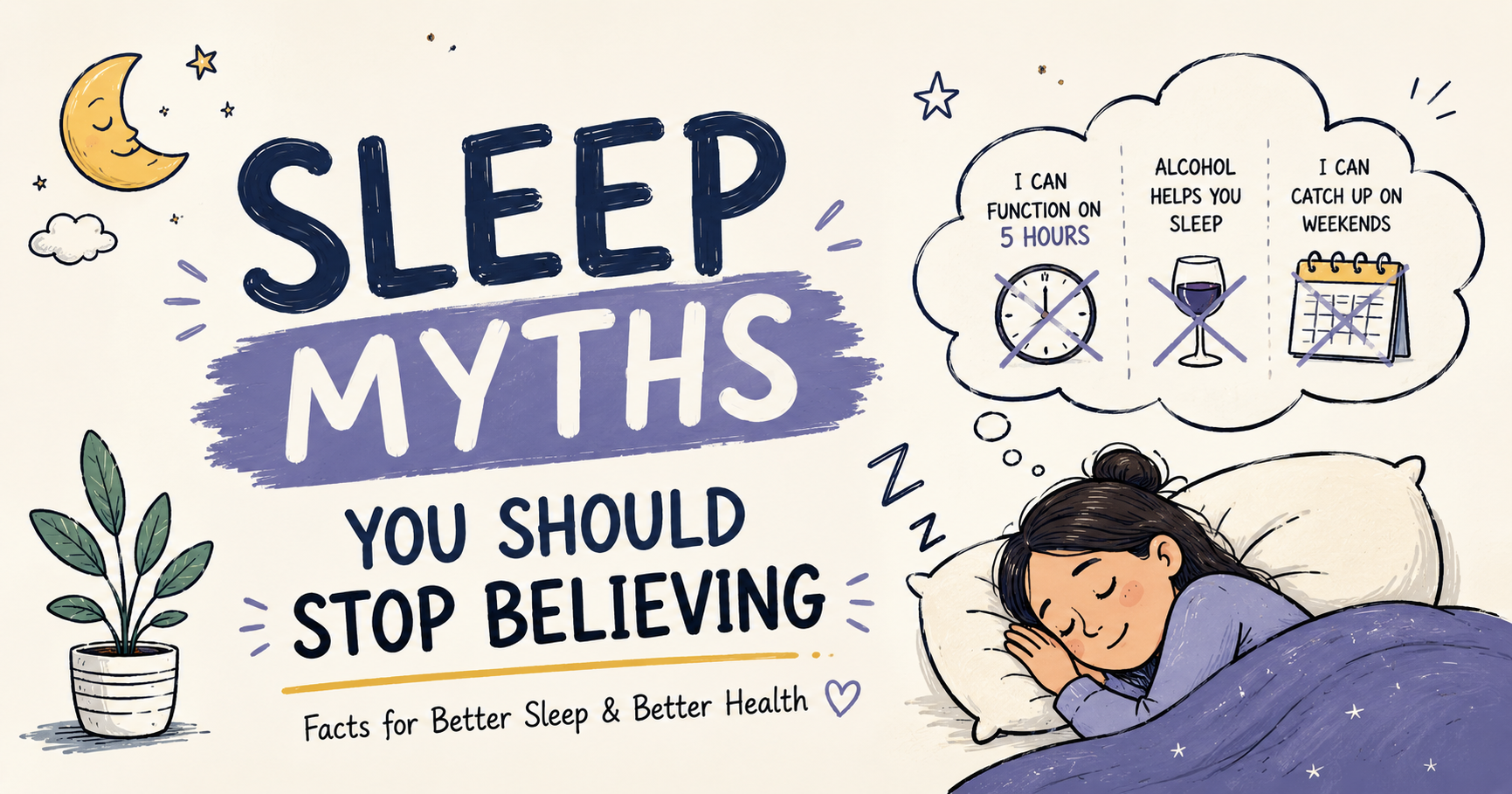
You may have heard that you can train yourself to function on five hours of sleep, that sleeping in on weekends completely fixes a bad week, or that a nightcap helps you sleep better.
Some of these ideas sound harmless. Others can actually encourage habits that leave you chronically sleep-deprived.
The truth is that healthy sleep isn't simply about spending a certain number of hours in bed. Sleep duration, regularity, timing, and quality all matter. Most adults should get at least seven hours of sleep regularly, although individual needs vary.
So, let's separate popular sleep advice from what the evidence actually tells us.
Myth 1: "I can function perfectly on five hours of sleep."
Reality: Most adults need considerably more.
Some people genuinely need less sleep than others, but the idea that most adults can routinely thrive on five hours is not supported by sleep research.
The American Academy of Sleep Medicine recommends that adults regularly get seven or more hours of sleep per night to support optimal health. Regularly sleeping below that level is associated with poorer health outcomes and impaired performance.
And this isn't just about feeling sleepy.
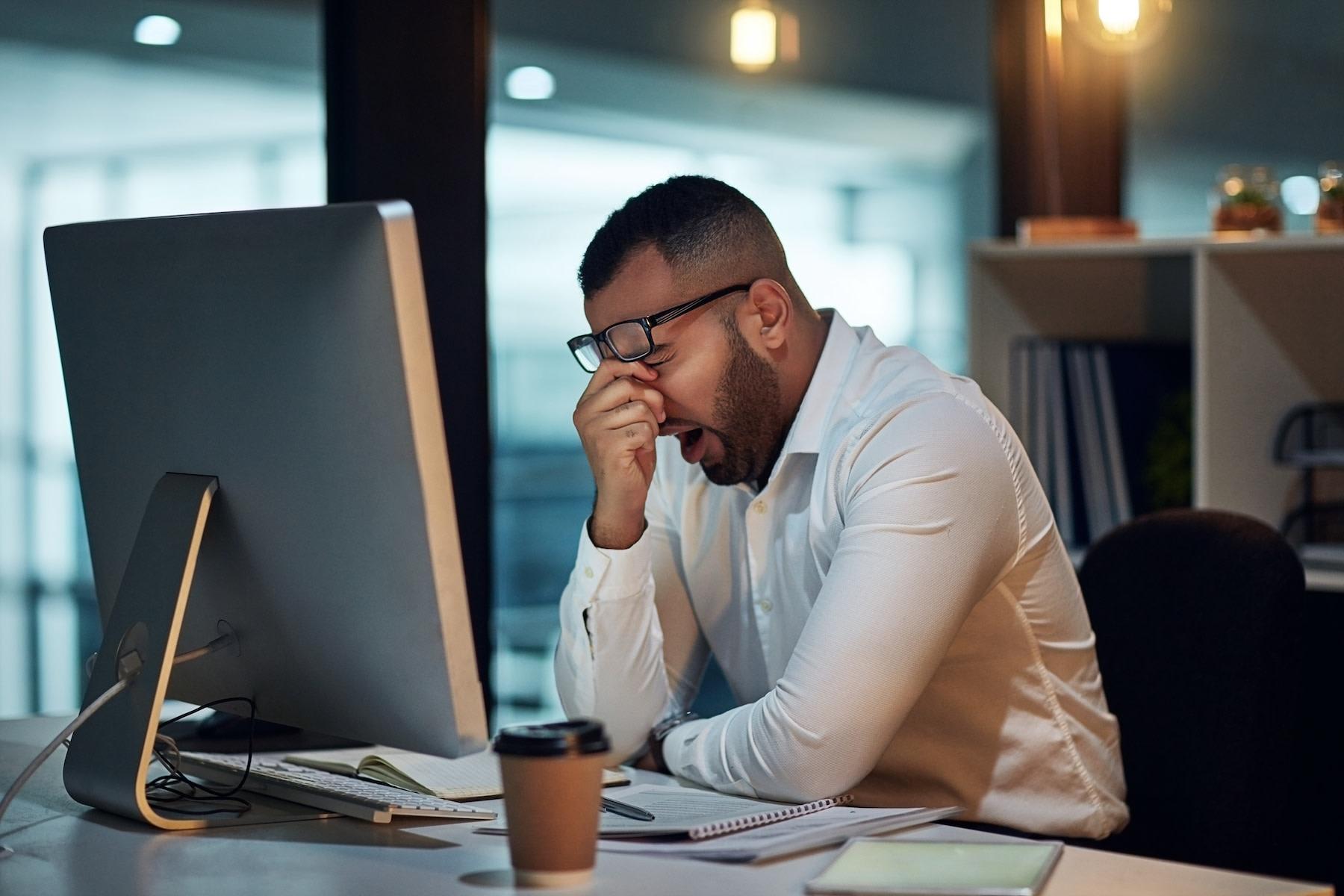
Insufficient sleep can affect:
- Concentration
- Reaction time
- Memory
- Mood
- Decision-making
- Productivity
- Driving safety
In 2024, about 30.5% of U.S. adults reported sleeping less than seven hours on average, according to CDC data.
What to do instead
If you're regularly getting five or six hours, don't try to compensate by becoming "better at functioning tired."
Start by protecting a realistic bedtime and gradually giving yourself more opportunity to sleep.
Myth 2: "I can catch up on all my lost sleep on the weekend."
Reality: Sleeping longer can help you feel less sleepy, but it isn't a complete reset.
If you sleep five hours every night during the week and then sleep ten or eleven hours on Saturday, it may feel like you've fixed the problem.
Unfortunately, sleep doesn't work quite that neatly.
NIH's National Institute of Child Health and Human Development notes that catch-up sleep may reduce daytime sleepiness but doesn't completely reverse the effects of insufficient or poor-quality sleep.
Research has also found that repeatedly switching between sleep deprivation during the week and extended weekend sleep can disrupt metabolic and sleep patterns.
A better approach
Try to make adequate sleep a daily habit, rather than something you save for Saturday and Sunday.
A consistent schedule is generally more useful than repeatedly swinging between very short and very long nights.
Myth 3: "Older people don't need much sleep."
Reality: Sleep patterns change with age, but the need for adequate sleep doesn't disappear.
It's common to assume that older adults only need a few hours of sleep.
That's misleading.
Sleep can become lighter or more fragmented with age, and people may wake up more frequently during the night. But that doesn't mean the body suddenly stops needing adequate sleep.
For adults, sleep experts generally recommend at least seven hours regularly, with individual needs varying.
What matters more
Instead of focusing only on the number of hours, pay attention to whether you're:
- Waking up refreshed
- Staying alert during the day
- Sleeping consistently
- Experiencing frequent nighttime awakenings
Persistent problems are worth discussing with a healthcare professional.
Myth 4: "Snoring is completely harmless."
Reality: Sometimes it is harmless. Sometimes it can be a warning sign.
Occasional snoring isn't necessarily a medical problem.
But loud, frequent snoring accompanied by pauses in breathing, gasping, or significant daytime tiredness can be a sign of obstructive sleep apnea.
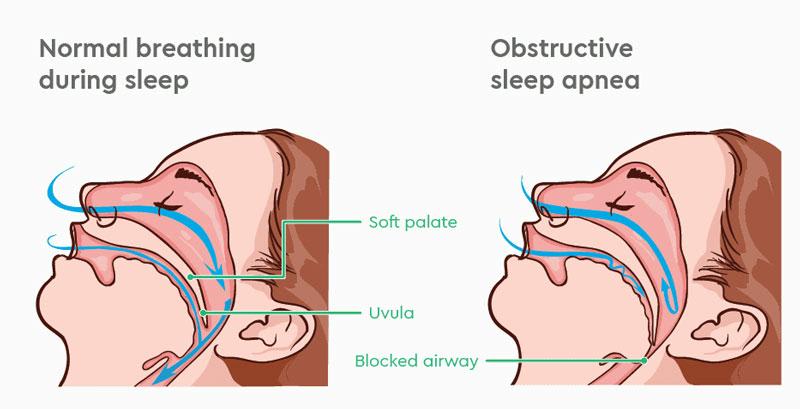
Sleep apnea causes repeated interruptions in breathing during sleep. These interruptions can affect sleep quality and oxygen levels and are associated with several health problems.
Don't ignore these signs
Talk to a healthcare professional if you or someone who sleeps near you notices:
- Loud habitual snoring
- Breathing pauses during sleep
- Gasping or choking at night
- Excessive daytime sleepiness
- Morning headaches
- Difficulty concentrating
Snoring isn't automatically dangerous, but persistent symptoms shouldn't simply be dismissed as "normal."
Myth 5: "Alcohol helps you get better sleep."
Reality: It may make you sleepy, but that doesn't mean it improves your sleep.
This is one of the most persistent sleep myths.
Alcohol can make it easier to fall asleep initially. However, it can interfere with sleep later in the night and affect normal sleep architecture, including REM sleep.
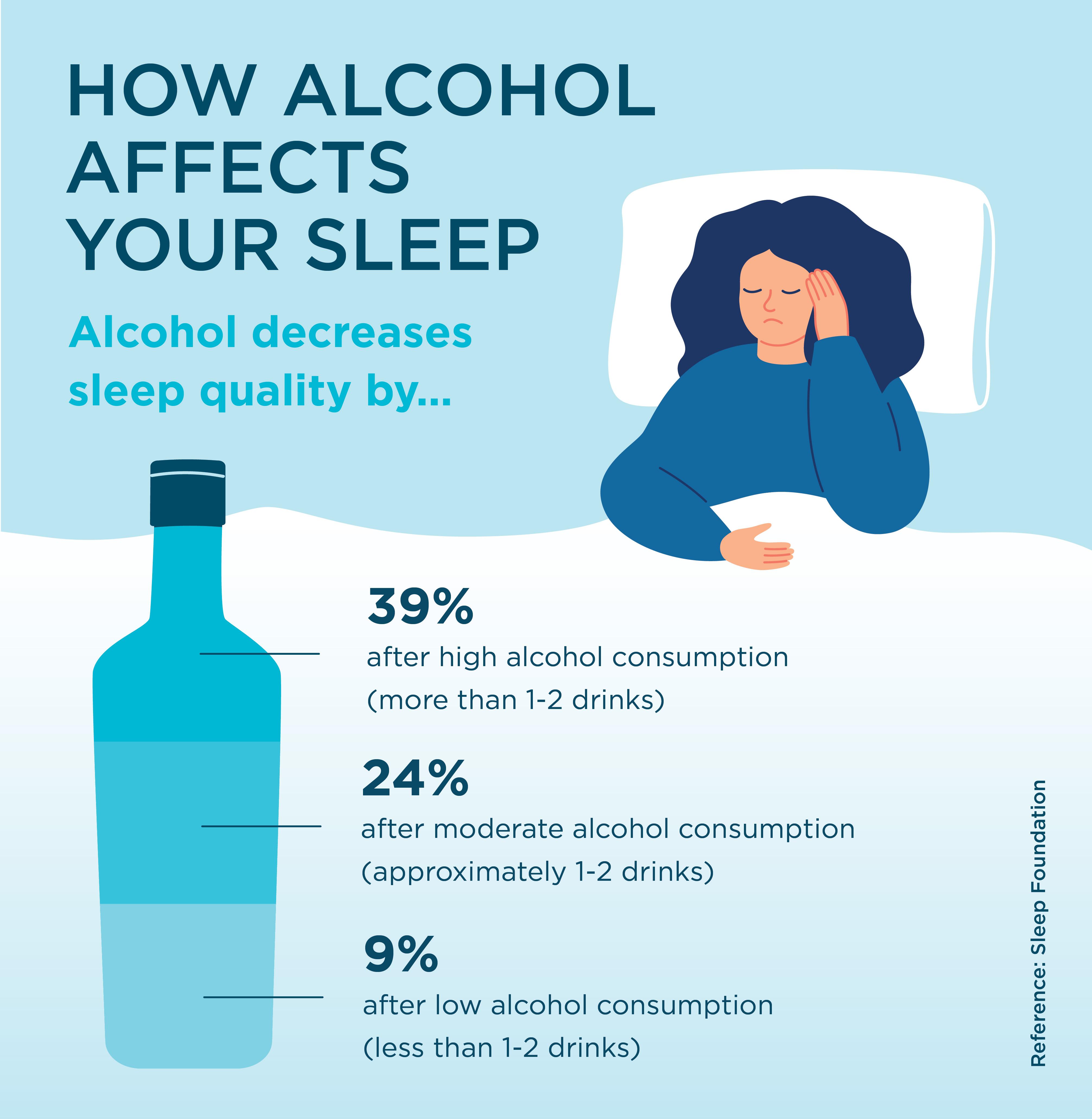
So if you find yourself thinking, "A drink helps me sleep," the distinction is important:
Falling asleep faster isn't the same as getting better-quality sleep.
Try instead
Create a wind-down routine that doesn't depend on alcohol:
- Dim the lights
- Read something relaxing
- Take a warm shower
- Put your phone away
- Keep your bedroom comfortable and quiet
Myth 6: "Watching TV in bed helps me fall asleep."
Reality: It can make bedtime less consistent and expose you to bright light when your body is preparing for sleep.
Your body uses light as an important signal for regulating its sleep-wake cycle.
Bright artificial light from televisions, computers, smartphones, and other devices can signal wakefulness and make it harder for some people to fall asleep.
That doesn't mean every person who watches television before bed will automatically develop poor sleep.
The bigger issue is whether your bedtime routine keeps you mentally stimulated or pushes your bedtime later.
A practical experiment
For one week, try replacing the final 30–60 minutes of screen-heavy activity with something quieter.
Try:
Screen → reading → dim lights → bed
rather than:
Screen → scrolling → "just one more video" → 1:30 a.m.
Sometimes the simplest change is the most effective.
Myth 7: "You should always stay in bed if you can't sleep."
Reality: Lying awake for a long time isn't necessarily helpful.
If you're wide awake and becoming increasingly frustrated, staying in bed while repeatedly checking the clock can turn your bedroom into a place associated with stress rather than sleep.
NIH guidance suggests that if you're unable to fall asleep, you can get up and do something quiet until you feel sleepy again.
Try this
If you're awake and frustrated:
- Leave the bed.
- Keep the lights relatively low.
- Do something calm.
- Avoid stimulating work or endless scrolling.
- Return to bed when you feel sleepy.
The goal isn't to force sleep. It's to give your brain a chance to become sleepy naturally.
Myth 8: "More sleep is always better."
Reality: More isn't automatically better.
Sleep needs vary between people and across different stages of life.
For healthy adults, the focus should generally be on getting enough sleep consistently, rather than trying to maximize the number of hours you spend in bed.
The AASM consensus recommends at least seven hours for adults and notes that regularly sleeping more than nine hours may be appropriate in certain situations, such as young adulthood, recovery from sleep debt, or illness.
If you're regularly sleeping very long hours and still feel exhausted, the answer isn't necessarily "sleep even more."
Persistent excessive sleepiness can be worth discussing with a healthcare professional.
Myth 9: "One bad night's sleep doesn't matter at all."
Reality: Everyone has bad nights, but repeated sleep loss is the bigger concern.
Nobody sleeps perfectly every night.
A late night because of an exam, deadline, flight, celebration, or unexpected event isn't the same as chronically sleeping too little.
The problem is when occasional short nights become your normal routine.
Regular insufficient sleep is associated with impaired attention and performance and a range of health risks.
The practical takeaway
Don't panic over one bad night.
Instead, look at your overall sleep pattern.
Ask yourself:
"How am I sleeping most nights?"
That's a much more useful question than worrying about one unusually short night.
Myth 10: "You can train your body to need almost no sleep."
Reality: You can become accustomed to feeling tired, but that doesn't mean your body no longer needs sleep.
This myth is especially common among students, entrepreneurs, professionals, and people with demanding schedules.
You might hear someone say:
"I've been sleeping five hours for years. I'm completely fine."
But becoming accustomed to a sleep-deprived schedule doesn't necessarily mean you've eliminated the biological need for sleep.
Sleep supports cognitive function, memory, mood, and physical health. Most adults still need at least seven hours regularly.
There are rare individuals with genetic variations associated with naturally short sleep, but these cases shouldn't be treated as evidence that everyone can safely train themselves to sleep less.
So, What Does Healthy Sleep Actually Look Like?
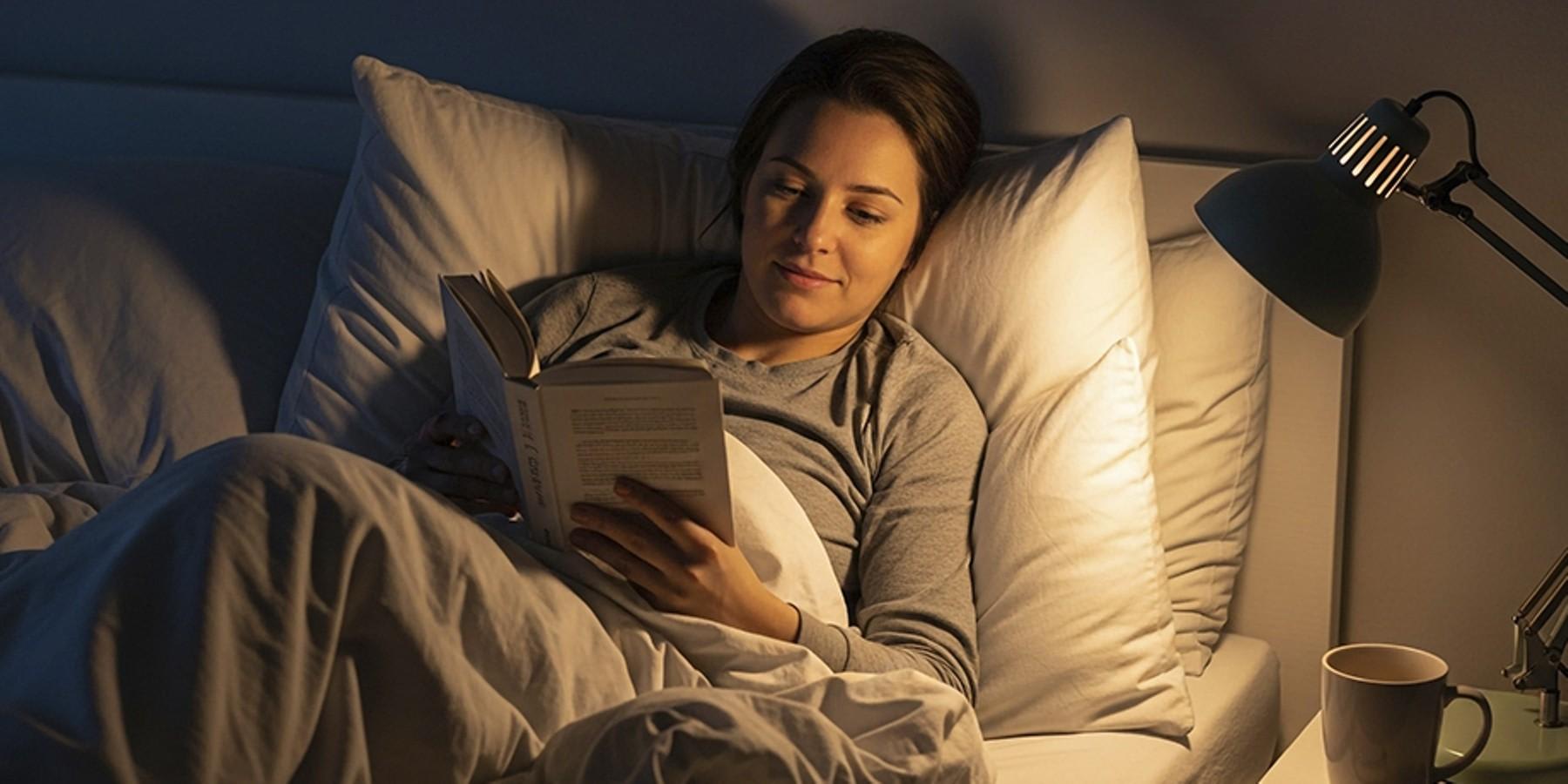
Instead of chasing sleep hacks, focus on a few fundamentals.
1. Give yourself enough time to sleep
For most adults, that means aiming for at least seven hours regularly.
2. Keep your schedule reasonably consistent
Try not to dramatically shift your bedtime and wake-up time between weekdays and weekends. NHLBI recommends keeping the difference to roughly an hour when possible.
3. Create a wind-down period
Use the final part of your evening for calmer activities instead of work, intense exercise, or endless scrolling.
4. Pay attention to your bedroom
Keep it comfortable, quiet, and conducive to sleep.
5. Watch your caffeine and alcohol habits
Caffeine can interfere with sleep, while alcohol may disrupt sleep quality later in the night.
6. Don't ignore persistent sleep problems
If you regularly struggle to fall asleep, repeatedly wake during the night, snore loudly, stop breathing during sleep, or remain excessively tired during the day, speak with a healthcare professional.
A Simple 7-Day Sleep Reset
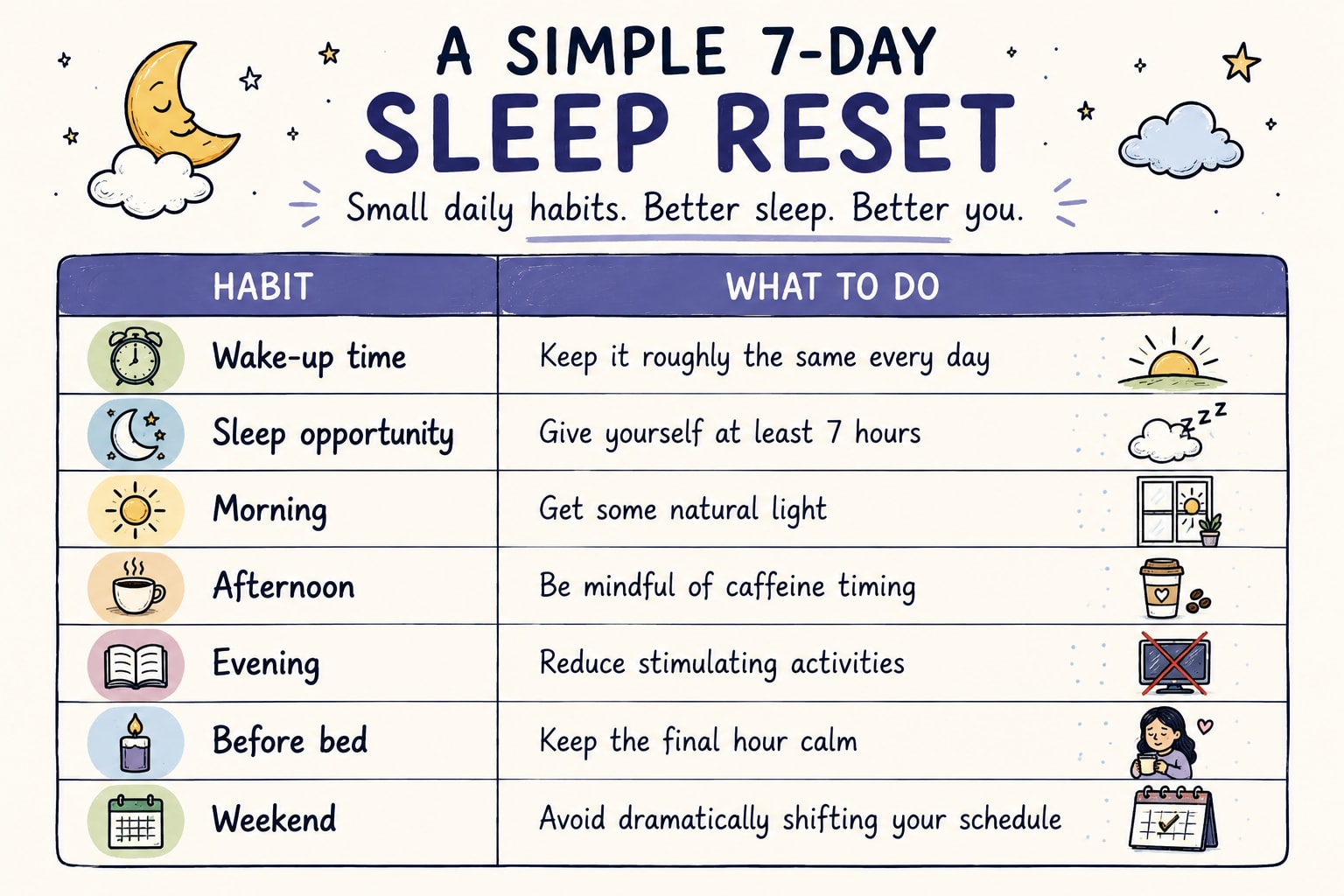
The goal isn't perfection.
The goal is consistency.
The Bottom Line
Sleep myths often sound convincing because they contain a small piece of truth.
Yes, you can occasionally sleep in after a late night.Yes, people have different sleep needs.Yes, you may fall asleep faster after alcohol.
But none of these facts mean that chronic sleep deprivation is harmless or that poor-quality sleep can simply be hacked away.
For most adults, the better strategy is surprisingly simple: get enough sleep, keep your schedule reasonably consistent, protect your bedtime routine, and pay attention to persistent symptoms.
You don't need to become a perfect sleeper.
You just need to stop treating sleep as something your body can endlessly do without.
Frequently Asked Questions
How many hours of sleep do adults need?
Most adults should regularly get at least seven hours of sleep per night. Individual needs can vary, and some people may need more.
Can you catch up on sleep during weekends?
Sleeping longer may reduce sleepiness after a short night, but weekend sleep-ins don't completely reverse the effects of chronic sleep deprivation. A consistent sleep schedule is preferable.
Is snoring always a sign of sleep apnea?
No. Snoring can occur without sleep apnea. However, loud snoring accompanied by breathing pauses, gasping, or significant daytime sleepiness can warrant medical evaluation.
Does alcohol help you sleep?
Alcohol can make you feel sleepy and fall asleep faster, but it can disrupt sleep later in the night and affect REM sleep.
Is sleeping more than eight hours unhealthy?
Not necessarily. Sleep needs differ, and longer sleep can be appropriate in some circumstances. The important question is whether your sleep duration, quality, and daytime functioning are appropriate for you.
What should I do if I am always tired despite sleeping enough?
Persistent daytime sleepiness can have many causes, including sleep disorders and other health issues. If it continues despite adequate sleep opportunity, discuss it with a healthcare professional.
Disclaimer: This article is for general educational purposes and is not a substitute for medical advice, diagnosis, or treatment. If you have persistent sleep problems, severe daytime sleepiness, breathing interruptions during sleep, or other concerning symptoms, consult a qualified healthcare professional.